After an abortion in Thailand, you can become pregnant again as soon as ovulation resumes—often within 2-4 weeks. Starting contraception immediately is essential to prevent unplanned pregnancy. Methods like IUDs and implants can be inserted the same day as your procedure, offering over 99% effectiveness. This guide covers the best options available under Thailand's universal healthcare system.
What Are the Best Contraception Methods After Abortion in Thailand
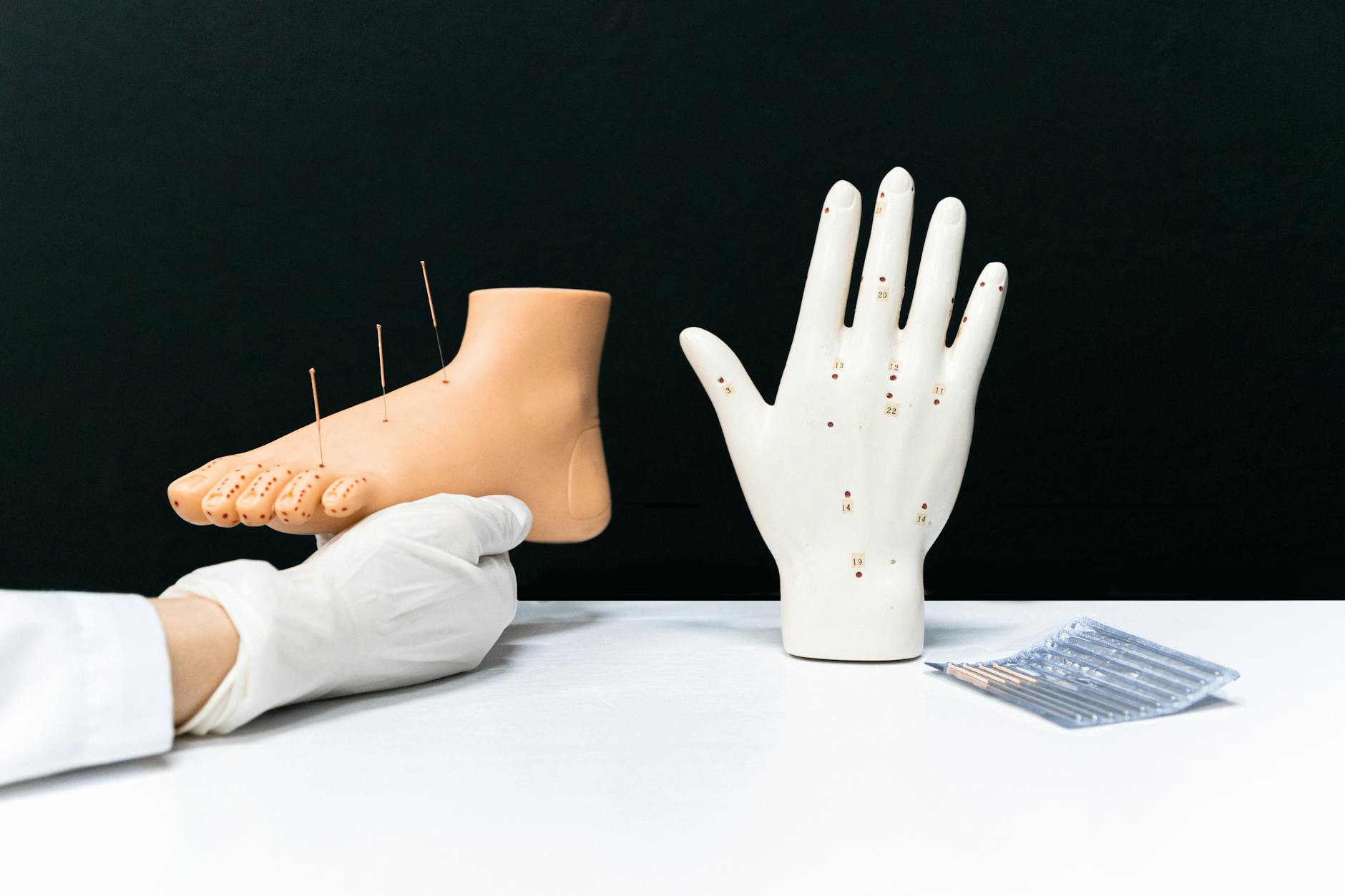
Contraception after abortion should be started immediately because fertility returns quickly—sometimes before your first period. The most effective methods are Long-Acting Reversible Contraceptives (LARCs), which require no daily action and have the lowest failure rates.
Intrauterine Device (IUD): Over 99% effective. Two types are available—copper (lasts 10+ years, no hormones) and hormonal (lasts 3-5 years, may reduce periods). IUDs can be inserted immediately after surgical abortion or once bleeding stops after medication abortion. They work by preventing fertilization and are reversible the moment they're removed.
Contraceptive Implant: A small rod inserted under the skin of your upper arm, effective for 3 years with 99% success rate. It releases progestin hormone steadily. Can be inserted on the same day as your abortion procedure. Common side effect is irregular bleeding, especially in the first 6 months.
Injectable Contraceptive (DMPA/Depo-Provera): Given every 12 weeks with 94% typical-use effectiveness. The first injection can be given immediately after abortion. May cause irregular bleeding initially, and periods often stop completely after several injections. Fertility may take 6-12 months to return after stopping.
Oral Contraceptive Pills: 93-99% effective when taken correctly. Should start the same day as your abortion or within 5 days. Requires daily commitment at the same time. Suitable if you prefer a method you can stop anytime without a clinic visit.
Under Thailand's National Health Security Office (NHSO), all these methods are available free of charge for Thai citizens at government hospitals and RSA network facilities.
What to Expect: Step by Step
During Your Abortion Appointment: Your doctor should discuss contraception options before or immediately after the procedure. Many clinics offer same-day insertion of IUDs or implants. If you choose this option, the insertion takes only a few minutes and is done while the cervix is still slightly open (after surgical abortion) or scheduled for your follow-up visit (after medication abortion).
If Choosing IUD: The doctor will measure your uterus and insert the device through your cervix. You may feel cramping similar to menstrual pain. The entire process takes 5-10 minutes. You'll receive instructions on checking the strings monthly and will schedule a follow-up in 3-6 weeks to ensure proper placement.
If Choosing Implant: After numbing your upper arm with local anesthetic, the doctor inserts the rod using an applicator. Takes less than 5 minutes. You'll have a small bandage for 24 hours and may have minor bruising.
If Choosing Injectable or Pills: The injection is given in your arm or buttock immediately. Pills are prescribed with clear instructions to start that day. You'll need to return every 12 weeks for injections or pick up pill packs monthly.
Follow-Up Care: Schedule a check-up 2-4 weeks after abortion to ensure complete recovery and confirm your contraception is working properly. This visit is crucial for IUD users to verify correct placement via ultrasound if needed.
Common Side Effects vs Warning Signs
Normal Side Effects (IUD): Cramping and spotting for a few days after insertion, irregular periods for 3-6 months (hormonal IUD may make periods lighter or stop them; copper IUD may make them heavier), occasional cramping during the first month.
Normal Side Effects (Implant): Irregular bleeding or spotting (most common, may last several months), headaches, breast tenderness, mild weight changes, insertion site bruising.
Normal Side Effects (Injectable): Irregular bleeding for the first 2-3 injections, periods often stop completely after 1 year, temporary weight gain (1-2 kg average), delayed return of fertility after stopping.
Normal Side Effects (Pills): Mild nausea in first month, breast tenderness, breakthrough bleeding, mood changes.
Warning Signs—Seek Medical Care Immediately:
- Severe abdominal pain (may indicate IUD perforation or ectopic pregnancy)
- Heavy bleeding soaking through 2+ pads per hour for 2+ hours
- Fever over 38°C with chills
- Foul-smelling vaginal discharge (possible infection)
- IUD strings feel longer, shorter, or you can't find them
- Severe headache, vision changes, or leg pain (possible blood clot with hormonal methods)
Contact the Department of Health hotline at 1663 for guidance if you're unsure whether symptoms are normal.
Self-Care After Starting Contraception
First 24 Hours: Rest if you had an IUD or implant inserted. Avoid heavy lifting. Take ibuprofen (400mg every 6-8 hours) for cramping. Keep the implant insertion site clean and dry. Avoid sexual intercourse for at least one week after abortion (regardless of contraception method) to prevent infection.
First Month: Track any bleeding patterns in a calendar or app—this helps you distinguish normal adjustment from concerning symptoms. For IUD users, check strings weekly (wash hands, insert fingers into vagina, feel for thin strings at cervix). For implant users, you should be able to feel the rod under your skin.
Ongoing Care: Use backup contraception (condoms) for the first 7 days if starting pills (not necessary for IUD, implant, or injectable if started same day as abortion). Remember that only condoms protect against STIs, so consider dual protection if needed. Set phone reminders for pill-taking time or injection appointments. Attend all follow-up visits even if you feel fine.
Lifestyle: You can exercise, swim, and resume normal activities once abortion recovery is complete (typically 1-2 weeks). No restrictions on diet. Avoid tampons and douching for 2 weeks after abortion. You can remove an IUD or implant anytime if you want to become pregnant or switch methods.
Frequently Asked Questions
Can I get pregnant immediately after abortion if I don't use contraception?
Yes, ovulation can return as early as 2 weeks after abortion, even before your first period. You can become pregnant before you realize your fertility has returned, which is why starting contraception immediately is strongly recommended if you want to avoid pregnancy.
Is it safe to insert an IUD or implant on the same day as my abortion?
Yes, same-day insertion is medically safe and recommended by WHO guidelines. After surgical abortion, the cervix is already dilated, making IUD insertion easier and less painful. For implants, there's no medical reason to wait. Both methods are immediately effective when inserted on the day of abortion.
Will contraception after abortion affect my future fertility?
No, all contraception methods are fully reversible. IUDs and implants can be removed anytime, with fertility returning immediately. Pills and injectables are stopped simply by discontinuing use, though injectable contraception may take 6-12 months for fertility to fully return. None cause permanent infertility.
Are contraception services really free at government hospitals in Thailand?
Yes, for Thai citizens with universal healthcare coverage (the gold card or social security), all contraception methods including IUDs, implants, injectables, and pills are provided free of charge at government hospitals and designated RSA network clinics. Non-citizens may need to pay, with costs ranging from 500-3,000 baht depending on the method.
What should I do if I miss a contraceptive pill after my abortion?
If you miss one pill, take it as soon as you remember and take the next pill at the regular time (you may take two pills in one day). If you miss two or more pills, take the most recent missed pill, continue the pack, and use backup contraception (condoms) for 7 days. If you had unprotected sex during this time, you may need emergency contraception—contact your provider immediately.
Can I switch contraception methods if the first one doesn't suit me?
Yes, you can switch methods anytime. If you experience intolerable side effects like persistent irregular bleeding, severe headaches, or mood changes, consult your doctor about alternatives. IUDs and implants can be removed during a simple clinic visit, and you can start a different method the same day. There's no required waiting period between methods.
Do I need to use condoms if I have an IUD or implant?
For pregnancy prevention alone, no—LARCs are over 99% effective. However, only condoms protect against sexually transmitted infections (STIs). If you're not in a mutually monogamous relationship where both partners have tested negative for STIs, dual protection (LARC plus condoms) is recommended for comprehensive sexual health.
References
- Criminal Code Amendment Act No. 28 B.E. 2564 (2021)
- Ministry of Public Health Notification on Counseling Services B.E. 2565 (2022)
- RSA Network, Department of Health — rsathai.org
- Department of Health Hotline 1663