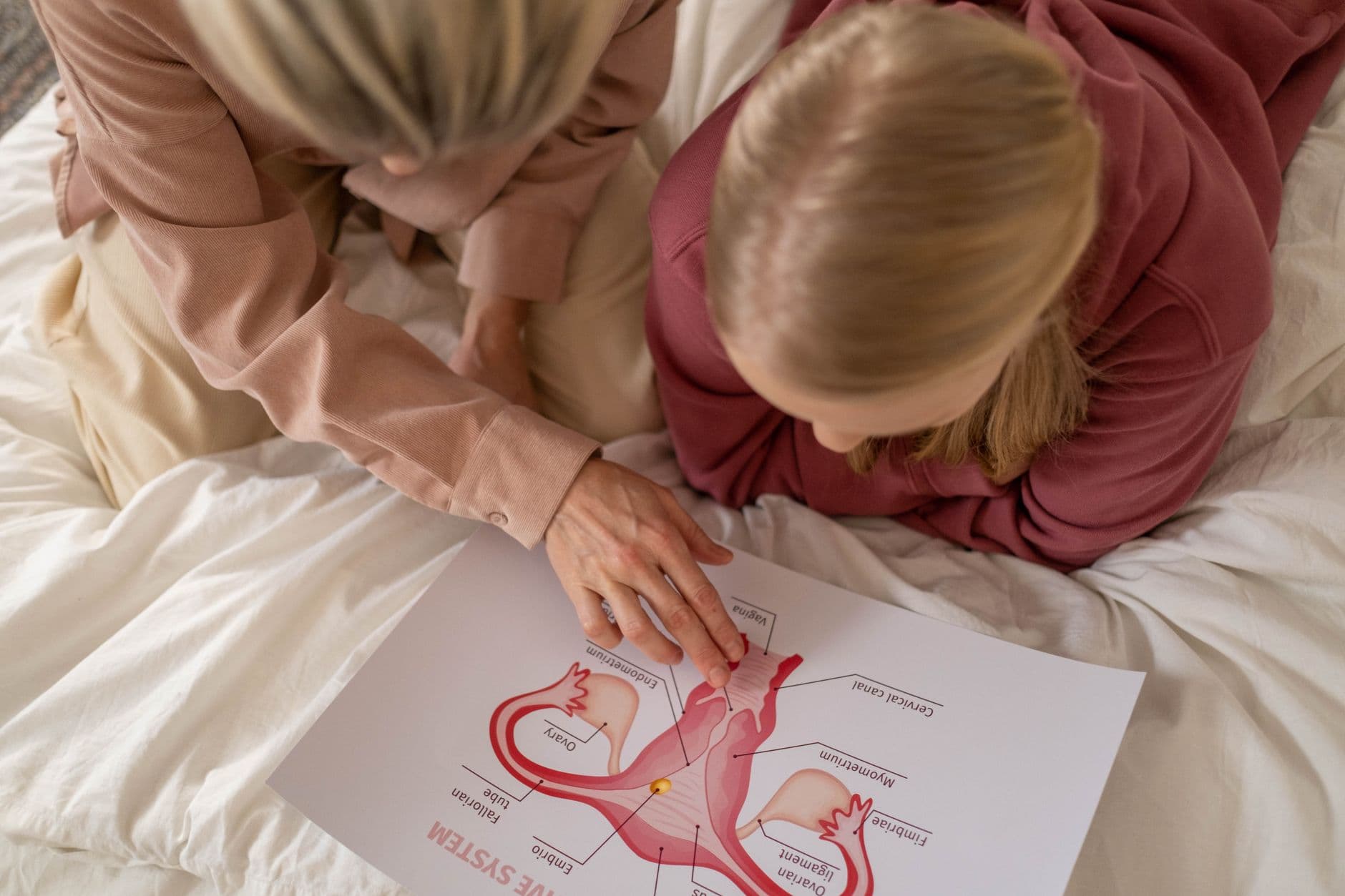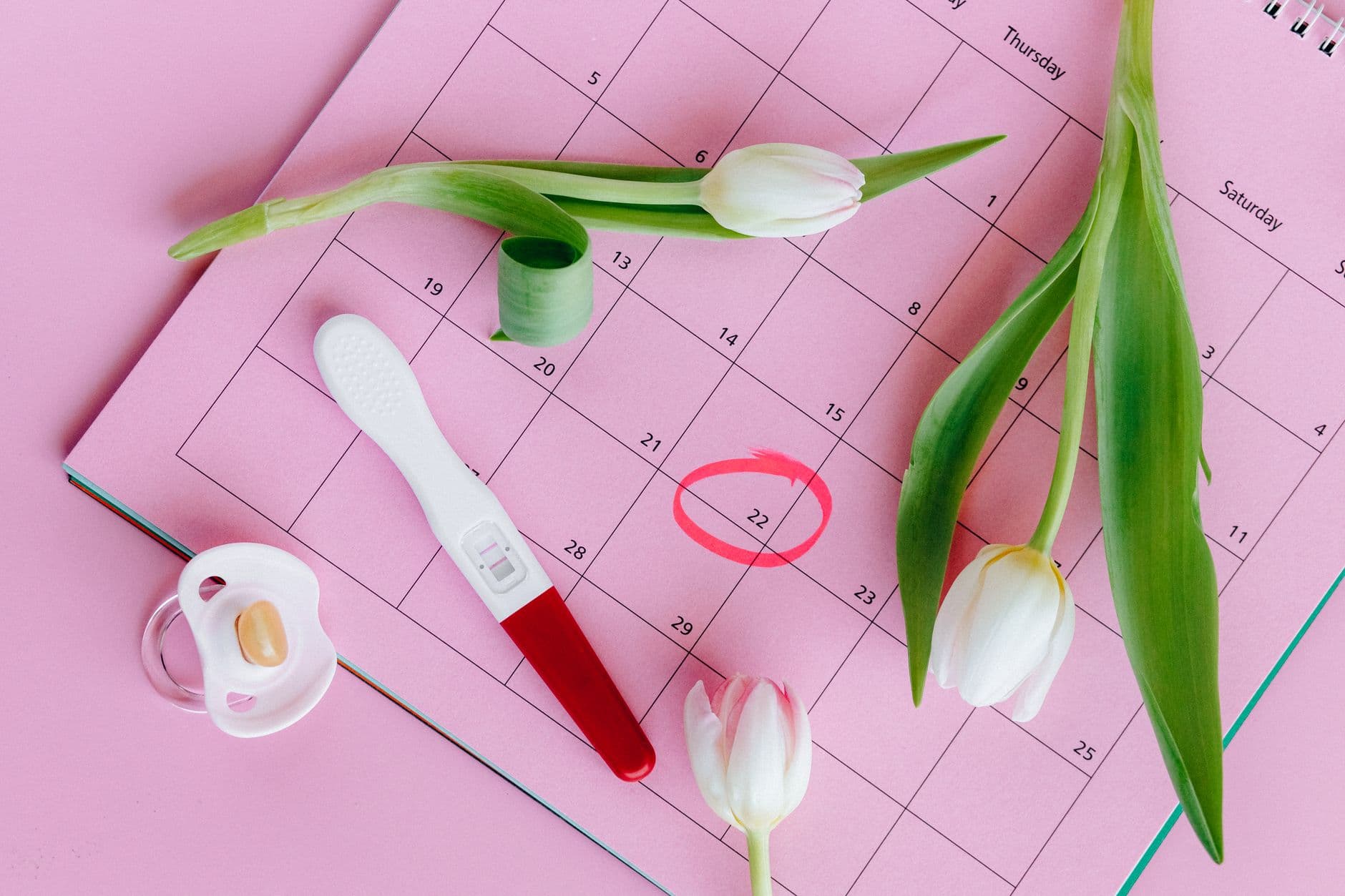
A positive pregnancy test after abortion is common and usually normal. The hCG hormone that pregnancy tests detect can remain in your body for 3–6 weeks after the procedure. However, if the test stays positive beyond 4–5 weeks, it may indicate incomplete abortion or a new pregnancy, and you should see a doctor for evaluation.
What Is a Positive Pregnancy Test After Abortion in Thailand
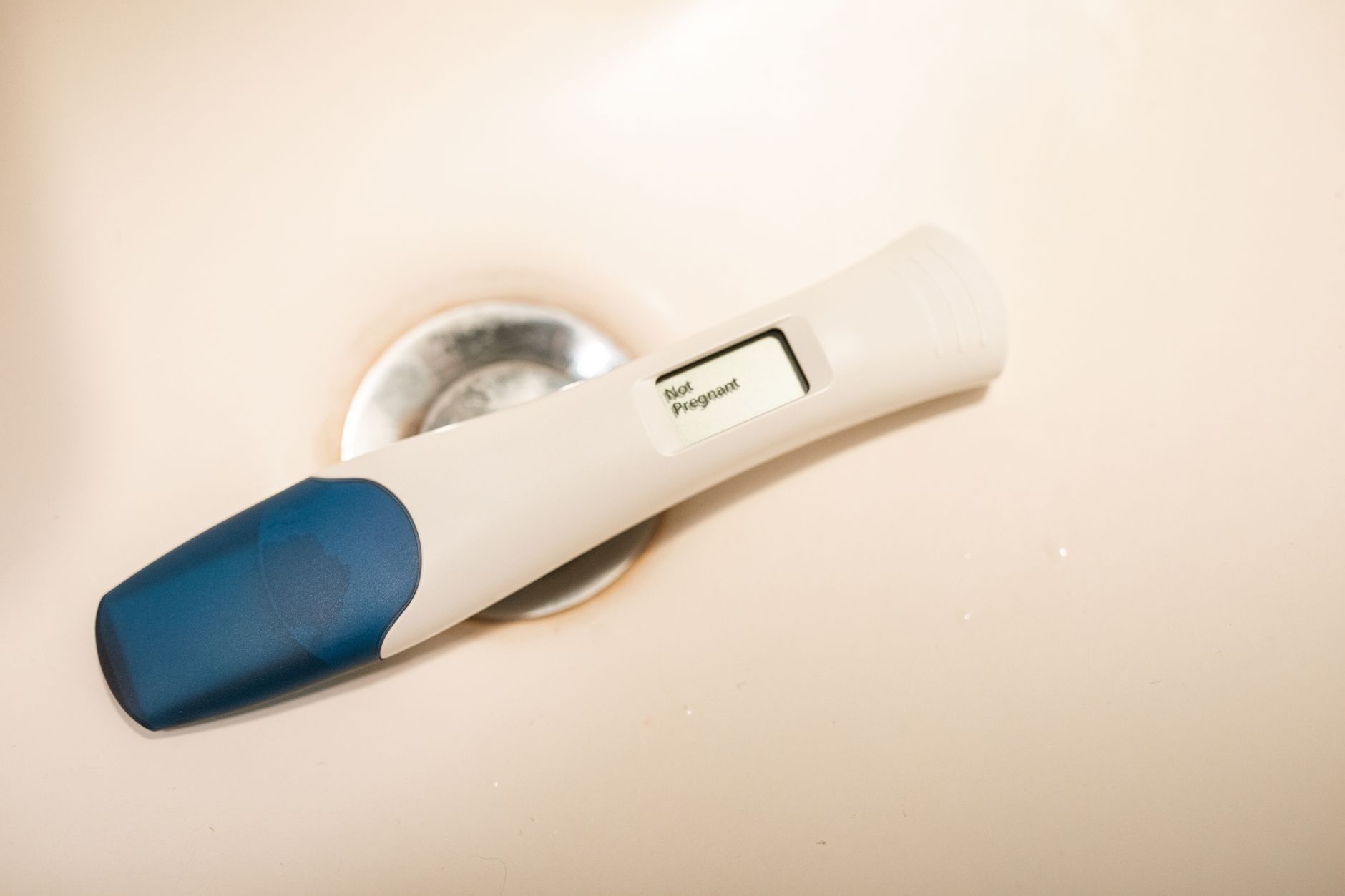
When you take a pregnancy test after having an abortion in Thailand, you might be surprised to see a positive result. This happens because pregnancy tests detect a hormone called human chorionic gonadotropin (hCG), which your body produces during pregnancy. Even after a successful abortion, hCG doesn't disappear immediately from your bloodstream.
After a legal abortion performed at a licensed facility in Thailand, your hCG levels gradually decrease. For most people, the hormone returns to non-pregnant levels within 3–6 weeks. The exact timeline depends on how far along the pregnancy was, the abortion method used, and your individual body chemistry. Medical abortions using mifepristone and misoprostol typically show hCG decline within similar timeframes as surgical procedures.
A positive test in the first few weeks after abortion is generally expected. However, if you're still getting positive results 4–5 weeks later, or if the line is getting darker instead of lighter, this requires medical attention. It could indicate retained pregnancy tissue, incomplete abortion, or rarely, a new pregnancy if you've had unprotected sex since the procedure.
What to Expect: Step by Step

Understanding the typical timeline after your abortion helps you know what's normal and when to seek help. Here's what usually happens with pregnancy tests after the procedure:
- Week 1: Pregnancy tests will still show positive. Your hCG levels are high and need time to decline. This is completely normal.
- Weeks 2–3: Test lines should gradually become lighter. You may still test positive, but the intensity should be decreasing if everything is proceeding normally.
- Weeks 4–6: Most people will test negative by this point. If you're still testing positive, schedule a follow-up appointment with your doctor.
- After 6 weeks: A continued positive test requires immediate medical evaluation. Your doctor will likely order a blood hCG test or ultrasound to determine the cause.
In Thailand, licensed medical facilities that perform legal abortions typically schedule a follow-up appointment 2–3 weeks after the procedure. During this visit, your doctor will confirm the abortion was complete, usually through ultrasound examination rather than relying solely on pregnancy tests. If you had your procedure at an RSA network hospital, this follow-up care is included in your treatment plan.
Common Side Effects vs Warning Signs
After an abortion, certain symptoms are normal parts of recovery, while others require prompt medical attention. Knowing the difference helps you care for yourself safely.
Normal recovery symptoms include:
- Bleeding lighter than a period for 1–2 weeks, possibly with small clots
- Mild to moderate cramping that responds to over-the-counter pain relief
- Breast tenderness for up to 2 weeks as hormone levels adjust
- Fatigue and mild mood changes
- Positive pregnancy tests for up to 4 weeks
Warning signs that need immediate medical care:
- Heavy bleeding soaking through two or more pads per hour for two consecutive hours
- Severe abdominal pain not relieved by medication
- Fever above 38°C (100.4°F) lasting more than 24 hours
- Foul-smelling vaginal discharge
- Dizziness, fainting, or signs of severe blood loss
- Pregnancy test getting darker instead of lighter after 2 weeks
If you experience any warning signs, contact your healthcare provider immediately or call the Department of Health hotline at 1663. For medical emergencies, go to the nearest hospital emergency room.
Self-Care After Abortion
Proper self-care supports your physical and emotional recovery while your hormone levels normalize. Here are evidence-based recommendations for the weeks following your procedure:
Physical care: Rest when needed, but gentle activity like walking is beneficial. Avoid strenuous exercise for 1–2 weeks. Use pads instead of tampons for at least two weeks to reduce infection risk. Avoid vaginal intercourse, swimming, and baths for two weeks—showers are fine. Eat nutritious foods rich in iron to help replace blood loss, and stay well-hydrated.
Emotional care: Hormone fluctuations can affect mood as hCG, estrogen, and progesterone levels adjust. Some people feel relief, others experience sadness, and many have mixed emotions—all are valid responses. In Thailand, the Department of Health provides free counselling through their 1663 hotline if you need emotional support.
Contraception planning: You can become pregnant again before your first period returns — ovulation can come back sooner than most people expect. If you want to prevent pregnancy, start contraception immediately. Most methods, including pills, injections, and IUDs, can begin right away. Discuss options with your doctor during your follow-up visit.
Frequently Asked Questions
How long should I wait to take a pregnancy test after abortion in Thailand?
Wait at least 3–4 weeks after your abortion before taking a home pregnancy test for accurate results. Testing earlier will likely show positive due to remaining hCG hormone, which can be confusing and anxiety-inducing. Your follow-up appointment with your doctor, typically scheduled 2–3 weeks after the procedure, will include proper medical evaluation to confirm the abortion was complete, usually through ultrasound rather than pregnancy tests.
Can I get pregnant immediately after an abortion?
Yes, fertility can return very quickly after abortion, even before your first period. If you don't want to become pregnant again, start using contraception immediately. Your doctor can provide contraception on the same day as your abortion procedure, and most methods are safe to start right away. If you do want to conceive again, most doctors recommend waiting for at least one normal menstrual cycle for physical recovery and accurate pregnancy dating.
What if my pregnancy test is still positive after 5 weeks?
A positive pregnancy test 5 weeks or more after abortion requires medical evaluation. This could indicate incomplete abortion with retained pregnancy tissue, a new pregnancy if you've had unprotected intercourse, or rarely, other medical conditions. Contact your healthcare provider for a blood hCG test and ultrasound examination. Do not attempt to treat this yourself—you need professional medical assessment to determine the cause and appropriate treatment.
Is it normal to have no bleeding but still test positive after abortion?
While most people experience some bleeding after abortion, the amount varies considerably between individuals. A positive pregnancy test with minimal bleeding in the first 2–3 weeks can be normal, as hCG takes time to decrease regardless of bleeding patterns. However, if you have no bleeding at all, or if the positive test persists beyond 4 weeks, see your doctor. This could indicate the abortion was unsuccessful or incomplete, requiring additional treatment.
Should I use blood tests or urine tests to confirm my abortion was complete?
Blood tests measuring hCG levels are more accurate than home urine tests for monitoring abortion completion. Your doctor can order quantitative blood hCG tests that show exact hormone levels and track whether they're decreasing appropriately. However, ultrasound examination is the most reliable method and is standard practice at legal abortion facilities in Thailand during follow-up appointments. If you're concerned, contact your healthcare provider rather than relying solely on home pregnancy tests.
Can I have a legal abortion if I test positive again after a previous abortion?
Yes, if you have a new pregnancy (not remaining hCG from a previous abortion), you can access legal abortion services in Thailand under current law. Abortion is legal on request up to 12 weeks of pregnancy when performed by a licensed physician. Between 12–20 weeks, it's legal after mandatory counseling. First, see a doctor to confirm whether you have a new pregnancy or if the positive test results from your previous abortion. Contact an RSA network facility through the Department of Health hotline 1663 for consultation and referral.
What follow-up care should I receive after abortion in Thailand?
Standard follow-up care includes an appointment 2–3 weeks after your abortion procedure. During this visit, your doctor will perform an ultrasound to confirm the abortion was complete, check for any complications, assess your recovery, and discuss contraception options if you haven't already started a method. This follow-up is included in abortion services at licensed facilities. If you cannot attend your scheduled appointment, contact the facility to reschedule—this check-up is important for your health and safety.
References
- Criminal Code Amendment Act No. 28 B.E. 2564 (2021)
- Ministry of Public Health Notification on Counseling Services B.E. 2565 (2022)
- RSA Network, Department of Health — rsathai.org
- Department of Health Hotline 1663