Pain management is an essential part of safe abortion care in Thailand. Whether you choose medication abortion or a surgical procedure, licensed doctors offer various pain relief options including NSAIDs, local anesthesia, and conscious sedation. Understanding what to expect and how to care for yourself afterward helps ensure a safer, more comfortable experience.
What Is Abortion Pain Management During and After Procedure Thailand
Abortion pain management refers to the medical strategies used to reduce discomfort before, during, and after an abortion procedure. In Thailand, pain management approaches vary depending on the method used (medication or surgical), gestational age, and individual pain tolerance.
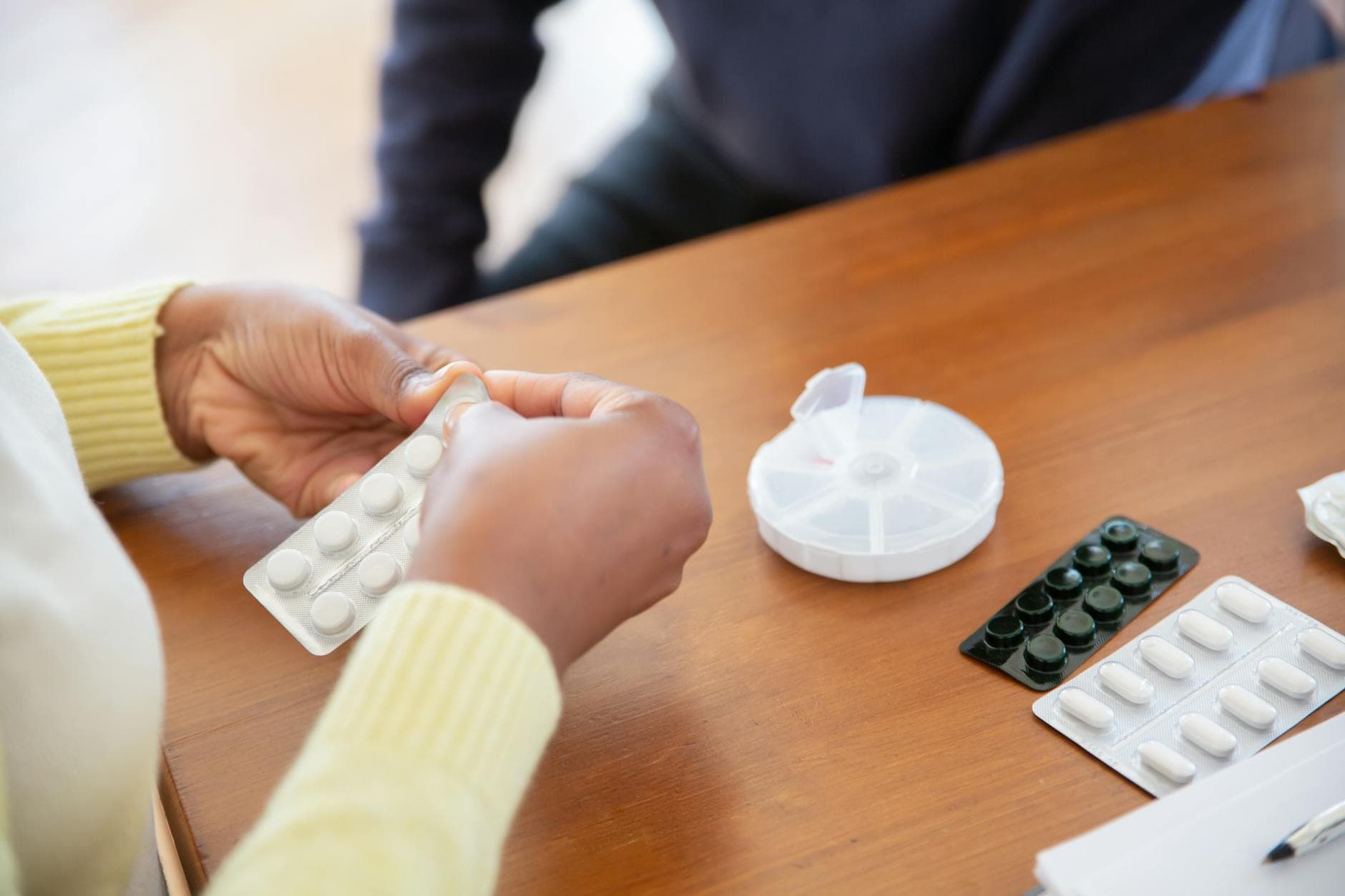
For medication abortion (up to 12 weeks), cramping and pain typically occur as the uterus contracts to expel pregnancy tissue. Doctors commonly prescribe ibuprofen or other NSAIDs, which the World Health Organization recognizes as highly effective for managing abortion-related pain. Some clinics may also provide stronger pain medication if needed.
For surgical procedures, paracervical block—a local anesthetic injected around the cervix—is the most common pain management method in Thailand. This numbs the cervical area while you remain awake but comfortable. Some facilities offer conscious sedation, where you receive medication that makes you drowsy and relaxed without full general anesthesia.
All abortion procedures in Thailand must be performed by licensed doctors in approved facilities. Pain management is discussed during your pre-procedure consultation, and you can ask questions about options available at your specific clinic or hospital. The goal is to make the experience as comfortable and safe as possible while respecting your medical needs and preferences.
What to Expect: Step by Step
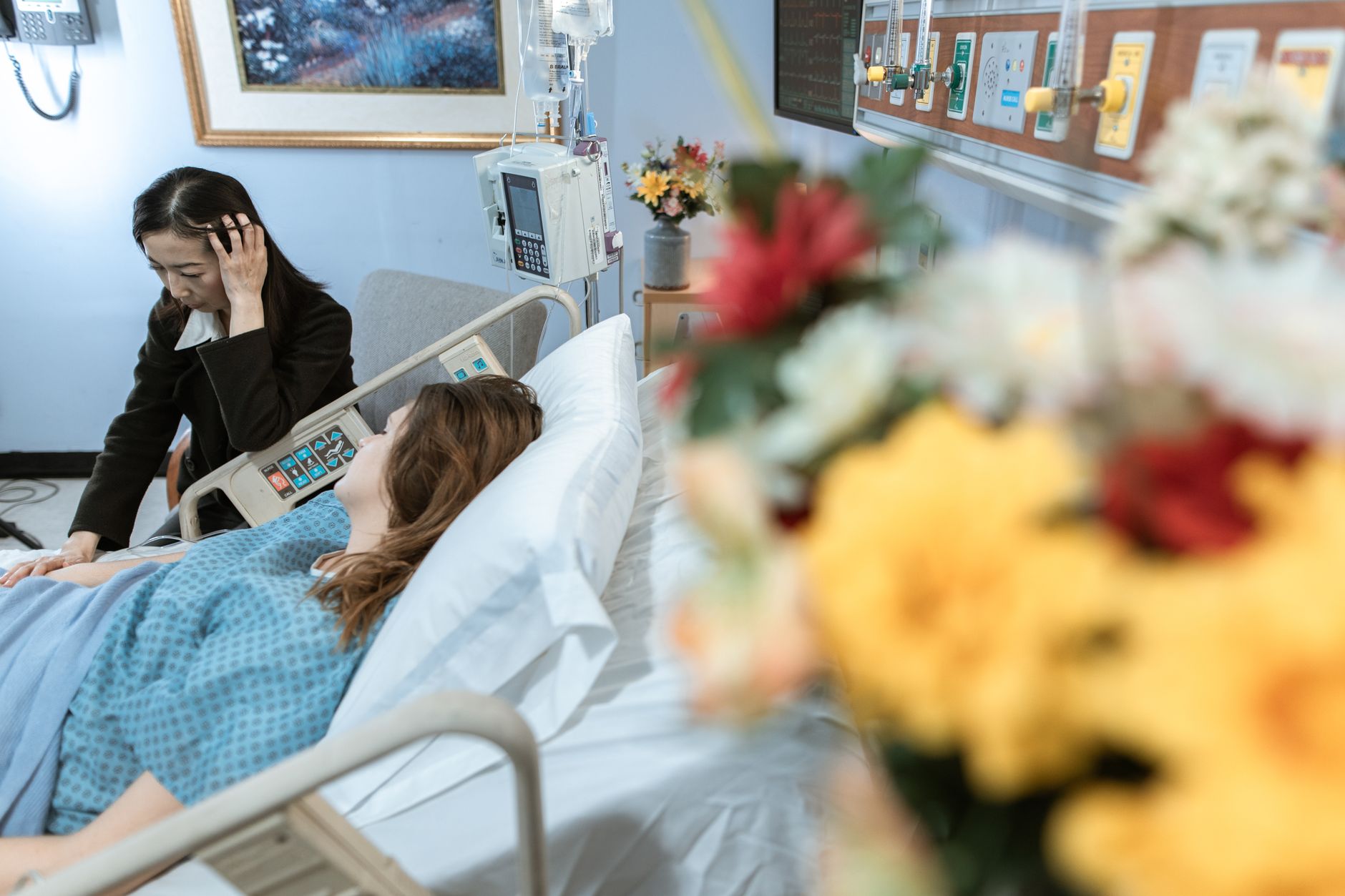
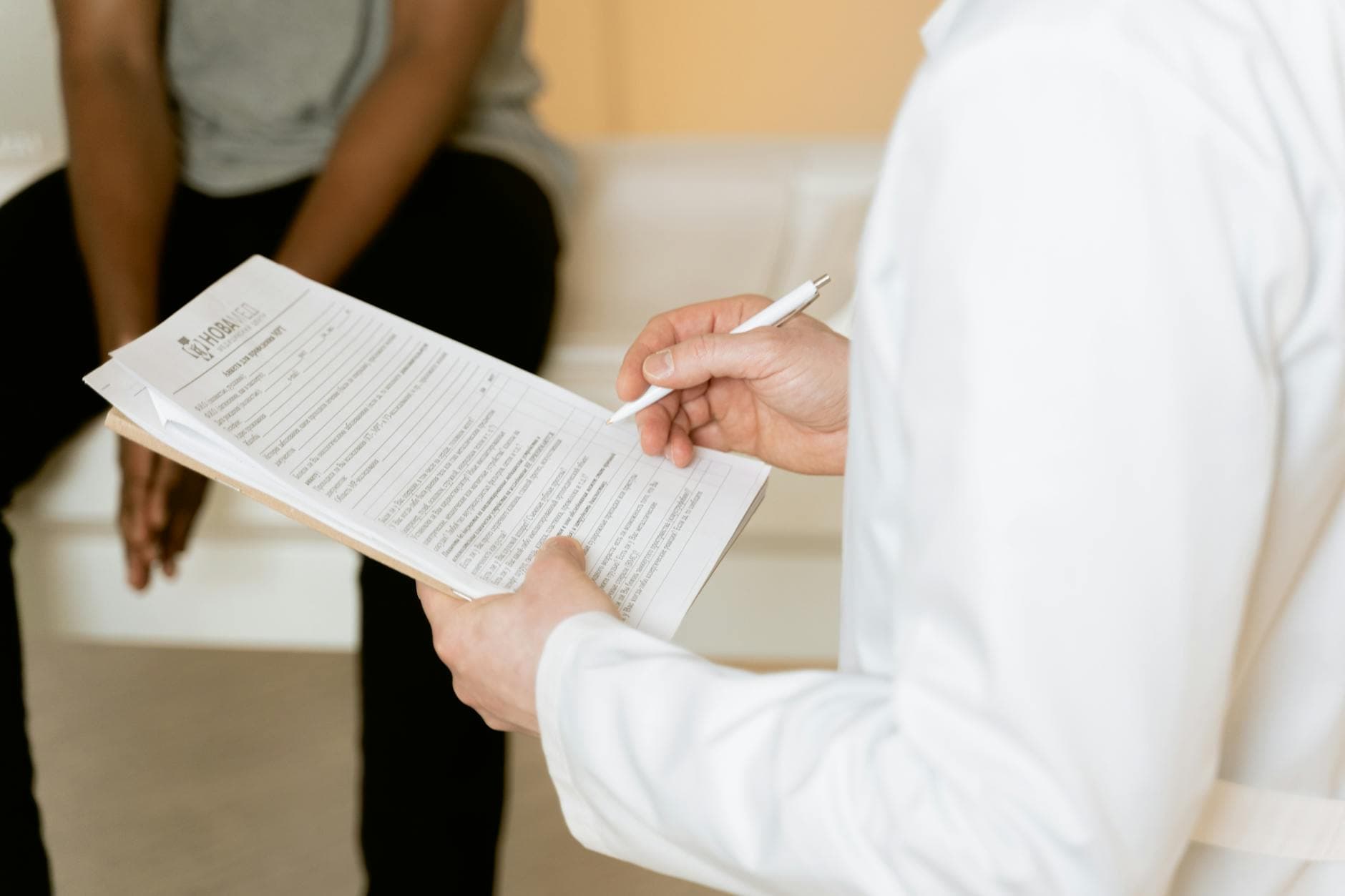
Before the Procedure: During your consultation, your doctor will explain pain management options and may prescribe medication to take at home before your appointment. For medication abortion, you'll receive clear instructions about when and how to take each pill, plus prescriptions for pain relief medication like ibuprofen (400-800mg) to have ready at home.
During Medication Abortion: Cramping usually begins 1-4 hours after taking misoprostol and may feel like strong menstrual cramps. Pain typically peaks during the heaviest bleeding, often lasting 2-5 hours. Taking ibuprofen 30 minutes before misoprostol helps manage discomfort. You may also use a heating pad on your lower abdomen and take anti-nausea medication if your doctor prescribed it.
During Surgical Procedure: If you're having a vacuum aspiration or D&E procedure, you'll receive the paracervical block injection first, which may cause brief stinging or pressure. The procedure itself typically takes 5-15 minutes. Most people describe feeling pressure, cramping, or tugging sensations rather than sharp pain. If you experience significant pain during the procedure, tell your doctor immediately—additional medication can be administered.
Immediately After: You'll rest in a recovery area for 30-60 minutes while staff monitor your vital signs and bleeding. Cramping continues but usually lessens significantly. Before discharge, you'll receive instructions for home care, warning signs to watch for, and prescriptions for pain medication to use over the next few days.
Common Side Effects vs Warning Signs
Understanding normal side effects versus complications helps you know when to seek immediate medical attention. Most people experience manageable symptoms that improve within a few days.
Normal Side Effects (Expected):
- Cramping that feels like strong menstrual cramps, gradually decreasing over 1-2 days
- Bleeding heavier than a period initially, then tapering to spotting over 2-4 weeks
- Passing small blood clots (up to lemon-sized is normal)
- Fatigue and mild dizziness, especially on the first day
- Nausea or mild stomach upset
- Tender breasts for several days as hormone levels adjust
Warning Signs (Seek Medical Help Immediately):
- Severe pain not relieved by prescribed medication, or pain that worsens after the first 24 hours
- Soaking through two or more thick pads per hour for two consecutive hours
- Fever above 38°C (100.4°F) lasting more than 4 hours, or fever occurring more than 24 hours after the procedure
- Foul-smelling vaginal discharge, which may indicate infection
- Severe abdominal pain with tenderness, especially on one side
- No bleeding at all within 24 hours after medication abortion
- Continuing pregnancy symptoms after two weeks
Contact your clinic immediately if you experience any warning signs. For urgent concerns after hours, call the Department of Health hotline at 1663 for guidance, or go to the nearest hospital emergency room.
Self-Care After Abortion
Proper self-care supports healing and reduces the risk of complications. Most people feel physically recovered within a few days, though complete healing takes 2-4 weeks.
Pain Management at Home: Continue taking ibuprofen as directed (typically 400-600mg every 6-8 hours with food). Avoid aspirin, which can increase bleeding. Apply a heating pad or hot water bottle to your lower abdomen for comfort. Rest as much as possible for the first 24-48 hours.
Physical Activity: Avoid strenuous exercise, heavy lifting, and vigorous activity for 3-5 days. Light walking is fine and may actually help with cramping. Return to normal activities gradually as you feel ready, listening to your body's signals.
Hygiene and Infection Prevention: Use pads instead of tampons or menstrual cups for at least two weeks. Shower normally but avoid baths, swimming pools, and hot tubs for two weeks to reduce infection risk. Wash hands thoroughly before and after changing pads.
Sexual Activity: Wait at least one week, or longer if you're still bleeding or experiencing pain. Use reliable contraception when you resume sexual activity—you can ovulate within two weeks after abortion. Your doctor can discuss contraceptive options during your follow-up visit.
Emotional Well-being: Everyone responds differently emotionally. It's normal to feel relief, sadness, or mixed emotions. Hormone changes may affect mood temporarily. If you'd like to talk with someone, the Department of Health counselling hotline (1663) provides support.
Frequently Asked Questions
How painful is abortion in Thailand compared to other procedures?
Most people describe medication abortion pain as similar to severe menstrual cramps, while surgical abortion with proper anesthesia typically involves moderate cramping with pressure sensations during the procedure itself. Pain intensity varies based on individual tolerance, gestational age, and the pain management methods used. With appropriate medication and care, abortion pain is generally manageable at home with over-the-counter or prescribed pain relief. The pain is temporary and significantly decreases within 24-48 hours after the procedure.
Can I take stronger pain medication than ibuprofen after abortion?
Yes, if over-the-counter NSAIDs aren't providing adequate relief, your doctor can prescribe stronger pain medication. Some clinics provide codeine-based medications or tramadol for severe cramping. However, most people find that regular ibuprofen combined with a heating pad and rest is sufficient. Never take someone else's prescription medication, and avoid medications that weren't specifically approved by your doctor, as some can interfere with the abortion process or increase bleeding risk.
Is anesthesia available for abortion procedures in Thailand?
Yes, paracervical block (local anesthesia around the cervix) is standard for surgical abortion procedures in Thailand and is highly effective at reducing pain. Some larger hospitals and private clinics also offer conscious sedation, where you receive IV medication that makes you drowsy and relaxed while remaining responsive. Full general anesthesia is rarely used for first-trimester procedures but may be available for second-trimester abortions at hospitals. Discuss your preferences and any anxiety about pain during your consultation so your doctor can recommend the most appropriate option.
When should cramping and pain stop after abortion?
Cramping is typically strongest during and immediately after the procedure, then gradually decreases over 24-48 hours. Mild, intermittent cramping may continue for up to two weeks as your uterus returns to its normal size. Pain that intensifies after the first day, or severe pain that isn't relieved by medication, may signal a complication and requires immediate medical attention. By your follow-up appointment (usually 1-2 weeks later), most cramping should have resolved completely.
Are there non-medication methods to manage abortion pain?
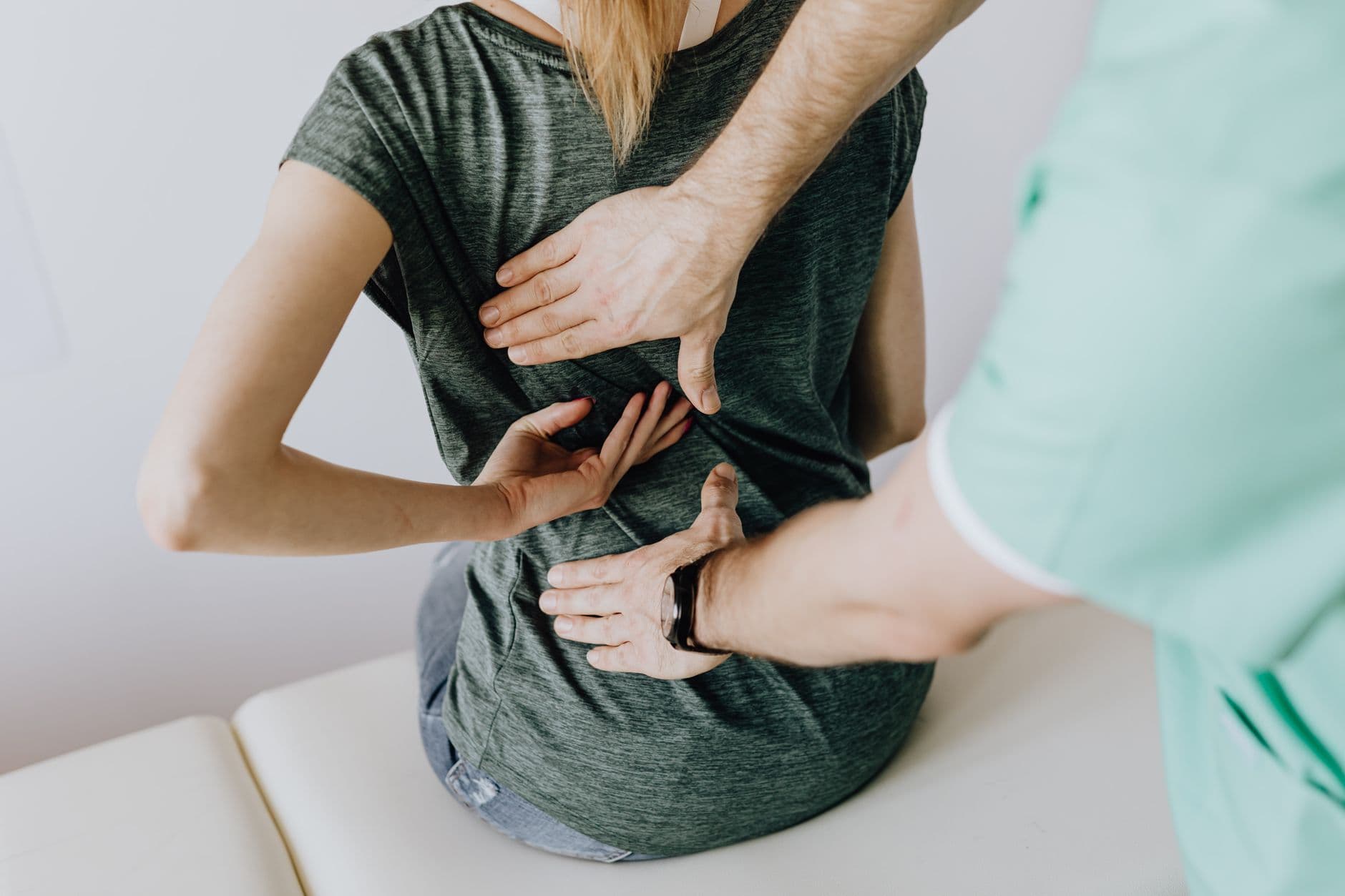
Yes, several non-pharmacological methods can complement pain medication. Heat therapy using a heating pad or hot water bottle on the lower abdomen helps relax uterine muscles and reduce cramping. Deep breathing exercises and relaxation techniques can reduce overall discomfort and anxiety. Some people find gentle lower back massage helpful. Rest and staying hydrated also support your body's healing process. While these methods are beneficial, they work best when combined with appropriate medical pain relief rather than as replacements for medication.
What if I'm still in pain two weeks after abortion?
Persistent pain beyond two weeks is not typical and warrants medical evaluation. Possible causes include incomplete abortion (retained tissue), infection, or unrelated conditions. Contact the clinic where you had your procedure, or call the Department of Health hotline at 1663 for guidance. You may need an ultrasound examination to ensure the abortion is complete and rule out complications. Don't delay seeking care—early treatment of complications is important for your health and prevents more serious problems from developing.
References
- Criminal Code Amendment Act No. 28 B.E. 2564 (2021)
- Ministry of Public Health Notification on Counseling Services B.E. 2565 (2022)
- World Health Organization — Abortion care guideline (2022)
- RSA Network, Department of Health — rsathai.org
- Department of Health Hotline 1663