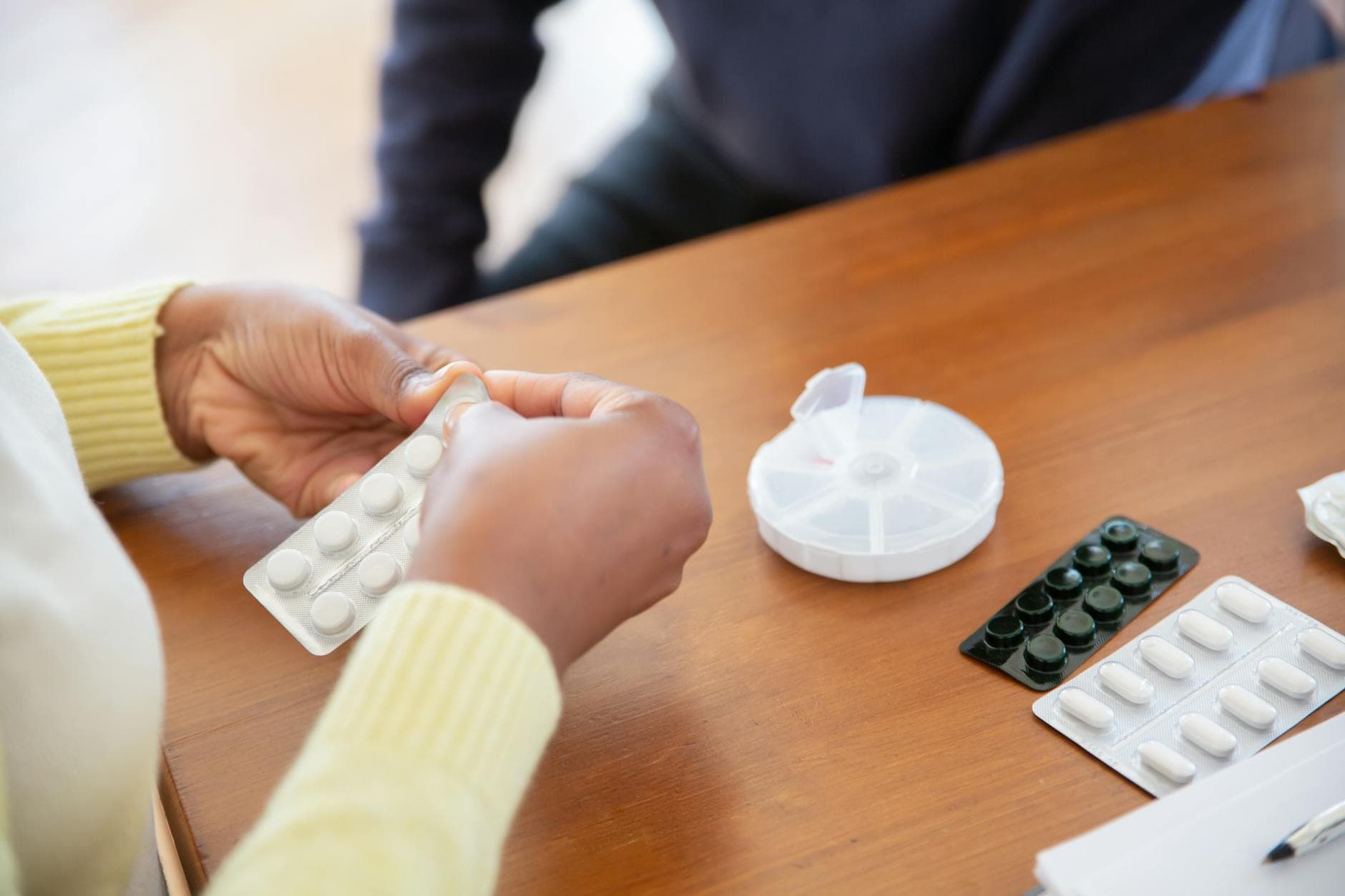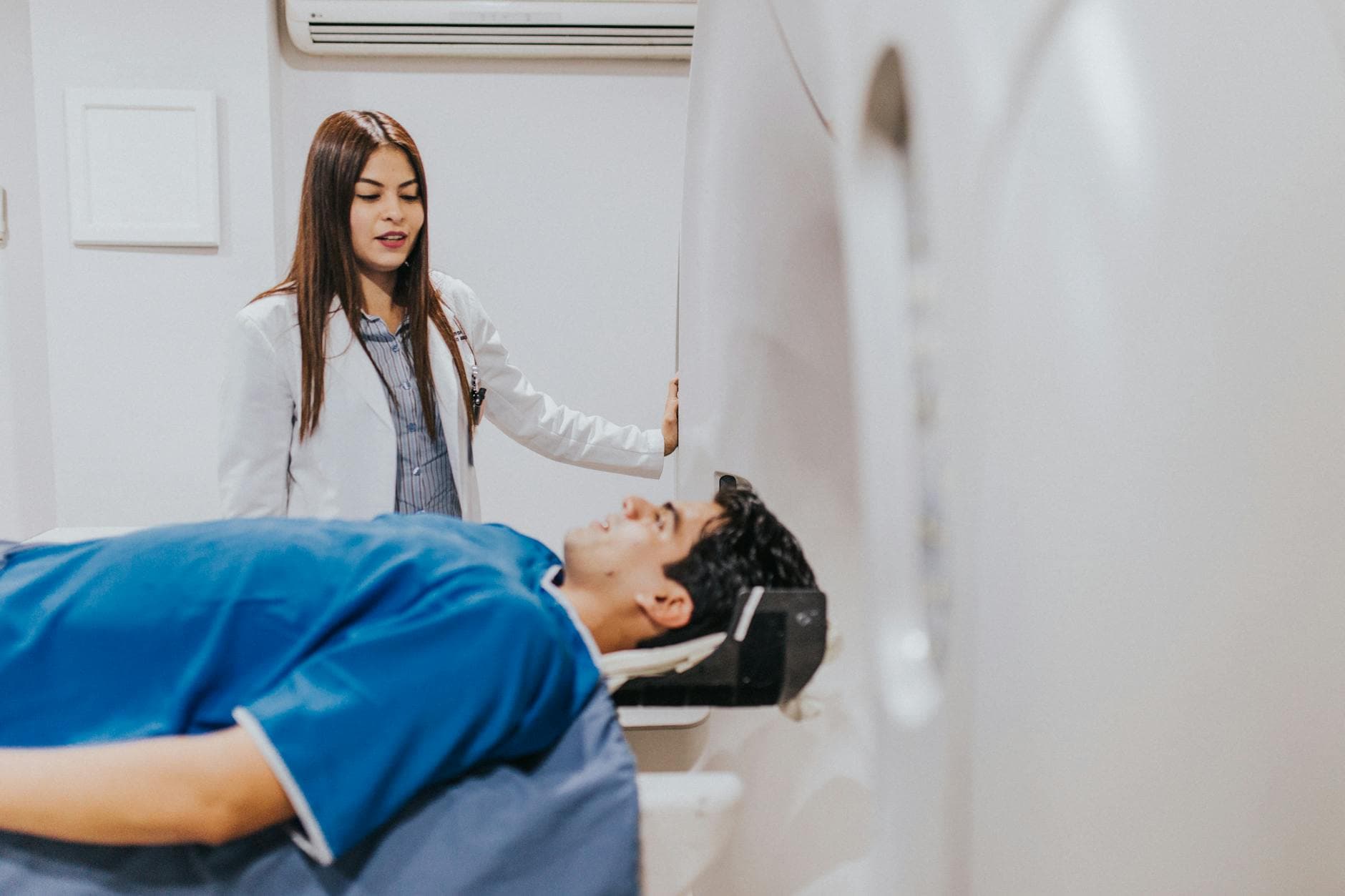
Passing blood clots after abortion is a normal part of uterine recovery as your body expels remaining tissue. Small clots up to the size of a golf ball are typically expected in the first few days. However, clots larger than a lime, or soaking through two thick pads per hour for two consecutive hours, require immediate medical attention as they may signal complications needing treatment.
What Are Blood Clots After Abortion and Why Do They Happen?
Blood clots after abortion are collections of blood and tissue that your uterus naturally expels during the healing process. After an abortion—whether surgical or medical—your uterus contracts to return to its pre-pregnancy size and shed the uterine lining built up during pregnancy.
These clots form when blood pools in the uterus or vaginal canal before being expelled. The size and number of clots you experience often depend on several factors:
- Gestational age: Later pregnancies typically produce more tissue and larger clots
- Method used: Medical abortion may involve more visible clotting as tissue passes gradually at home
- Individual variation: Every body responds differently to the abortion process
- Activity level: You may notice more clots when standing after lying down, as gravity allows pooled blood to pass
During the first 24-48 hours, clots ranging from small (grape-sized) to medium (plum or golf ball-sized) are completely normal. Most people experience the heaviest bleeding and largest clots within the first week, with bleeding gradually decreasing over 1-2 weeks or until the next menstrual period.
What to Expect: Step by Step
Understanding the typical timeline helps you distinguish normal recovery from potential complications:
Days 1-3: Expect the heaviest bleeding with dark red blood and clots. You may pass clots up to golf ball size, particularly after standing or using the bathroom. Cramping is common as your uterus contracts. Bleeding may be heavier than a normal period.
Days 4-7: Bleeding should gradually lighten to a moderate flow, similar to a regular period. Clots become smaller and less frequent. Cramping typically decreases but may come in waves.
Week 2: Bleeding transitions to light spotting or discharge that may be pink, brown, or rust-colored. Small clots may still appear occasionally. Many people resume normal activities with minimal discomfort.
Weeks 2-4: Spotting may continue intermittently until your next period, which usually arrives within 4-8 weeks. Some people experience no bleeding during this time, while others have light, irregular spotting.
This timeline varies based on individual factors and abortion method. Medical abortion often involves more noticeable clotting as you witness the process at home, while surgical abortion may result in lighter initial bleeding since most tissue is removed during the procedure.
Common Side Effects vs Warning Signs
Knowing the difference between expected side effects and warning signs requiring medical attention is crucial for your safety.
Normal, expected experiences:
- Blood clots up to golf ball size
- Bleeding heavier than a period for the first few days
- Moderate cramping that responds to pain medication
- Passing tissue or grayish material
- Bleeding that soaks one thick pad every 2-3 hours
- Mild nausea, fatigue, or breast tenderness
Warning signs—seek immediate medical care if you experience:
- Clots larger than a lime (about 5cm)
- Soaking through two thick pads per hour for two consecutive hours
- Severe abdominal pain not relieved by medication
- Fever above 38°C (100.4°F) lasting more than 4 hours
- Foul-smelling vaginal discharge (could indicate infection)
- Dizziness, weakness, or fainting (signs of excessive blood loss)
- No bleeding at all within 24 hours of medical abortion (may indicate incomplete process)
In Thailand, you can contact the Department of Health hotline at 1663 for guidance, or go directly to the hospital where you received care. Emergency services are available 24/7 at all hospitals, and post-abortion complications are treated as standard medical care.
Self-Care After Abortion
Proper self-care supports healthy recovery and helps you monitor your bleeding effectively:
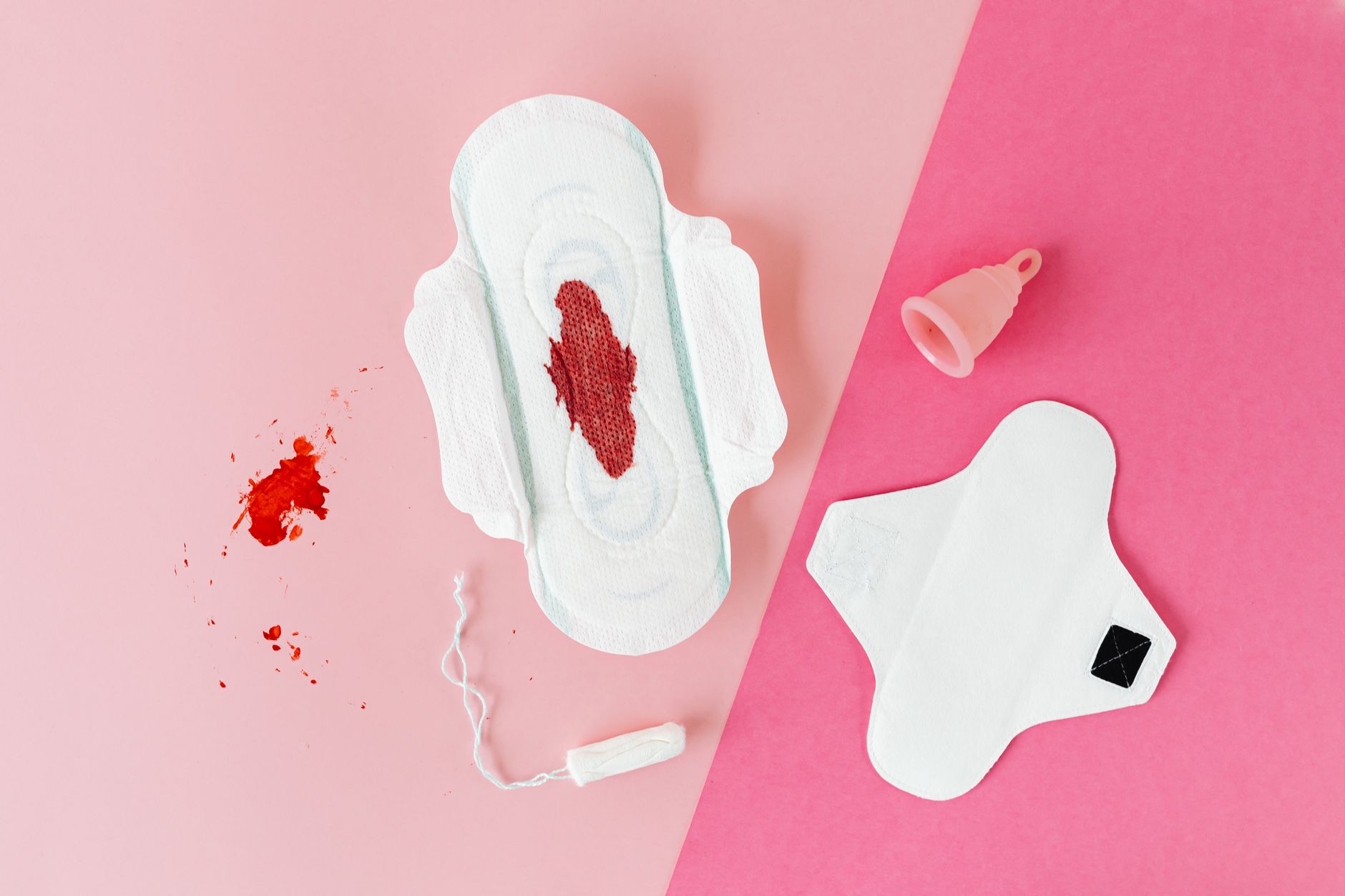
Managing bleeding and clots: Use thick sanitary pads rather than tampons or menstrual cups for at least two weeks to reduce infection risk and allow you to monitor blood loss. Change pads regularly even if bleeding is light. Keep track of pad usage to identify any concerning increases in bleeding.
Pain management: Ibuprofen (400-600mg every 6-8 hours) effectively reduces cramping and inflammation. Paracetamol can be used if you cannot take ibuprofen. Apply a heating pad or warm water bottle to your lower abdomen for additional comfort.
Rest and activity: Rest as much as possible in the first 24-48 hours, but gentle movement like short walks can help reduce cramping. Avoid strenuous exercise, heavy lifting, or intense physical activity for at least one week. Listen to your body and increase activity gradually.
Hygiene and infection prevention: Shower normally but avoid baths, swimming, or hot tubs for two weeks. Do not insert anything into the vagina—no tampons, sexual intercourse, or douching—for at least two weeks or until bleeding stops completely. This prevents introducing bacteria while your cervix is still slightly open.
Nutrition and hydration: Drink plenty of water and eat iron-rich foods like leafy greens, red meat, beans, and fortified cereals to replenish blood loss. Stay nourished even if you don't feel hungry.
Frequently Asked Questions
How long is it normal to pass blood clots after abortion?
Most people pass blood clots primarily in the first week after abortion, with the largest clots appearing in the first 2-3 days. Small clots may continue to appear occasionally during the second week as your uterus completes its healing process. If you're still passing large clots after one week, or any clots after two weeks, contact your healthcare provider for evaluation to ensure complete recovery.
What does the color of blood clots tell me about my recovery?
Dark red or burgundy clots are typical in the first few days and indicate fresh to slightly older blood. Brown or rust-colored clots usually appear later in recovery as bleeding slows and blood takes longer to exit the uterus. Bright red clots with heavy bleeding may indicate active bleeding and should be monitored closely. Color alone is less important than size and frequency—any clot larger than a lime or accompanied by heavy bleeding requires medical attention regardless of color.
Can I go to any hospital in Thailand if I'm worried about bleeding after abortion?
Yes, you can seek care at any hospital in Thailand for post-abortion complications. Emergency departments must provide treatment regardless of where your abortion was performed. If you received care through the RSA network or a specific clinic, returning to that facility may provide continuity of care, but in an emergency, go to the nearest hospital immediately. Medical staff are legally and ethically required to treat abortion-related complications without judgment.
Is it normal to have no clots at all after surgical abortion?
Yes, experiencing minimal or no clots after surgical abortion is completely normal. Surgical procedures remove most uterine contents during the abortion itself, so there is less tissue left to expel afterward. Many people experience only light bleeding similar to the end of a period, with few to no clots. This differs from medical abortion, where you typically see more clots because the process happens gradually at home and you witness all tissue passing naturally.
When should I take a follow-up pregnancy test after abortion?
Take a pregnancy test 3-4 weeks after your abortion to confirm the procedure was successful. Testing earlier may show a positive result from remaining pregnancy hormones even after a successful abortion. If the test is positive at 4 weeks, contact your healthcare provider—this may indicate incomplete abortion requiring additional treatment. Most clinics schedule a follow-up appointment 2-4 weeks after abortion to check your recovery and confirm the pregnancy has ended.
What if I'm experiencing heavy bleeding but I'm worried about the cost of emergency care?
Do not delay seeking emergency care due to cost concerns—complications from untreated post-abortion bleeding can become life-threatening. Government hospitals in Thailand provide emergency services at minimal cost, typically 30-100 THB for Thai citizens with universal healthcare coverage. Even without coverage, emergency treatment for complications is significantly less expensive than what delayed care might require. The 1663 hotline can direct you to appropriate public facilities where costs are manageable, and emergency departments cannot refuse treatment based on ability to pay.
Can I prevent large blood clots by taking specific medications?
Your doctor may prescribe medications like misoprostol or ergometrine to help your uterus contract effectively and reduce bleeding after surgical abortion, but these are prescribed based on individual medical factors, not requested preventively. Taking ibuprofen as directed helps manage cramping and reduces inflammation, which indirectly supports healing. Do not take any medications beyond what your doctor prescribed or recommended over-the-counter pain relief. Proper rest, hydration, and following post-abortion care instructions are the most effective ways to support normal recovery and minimize complications.
References
- Criminal Code Amendment Act No. 28 B.E. 2564 (2021)
- Ministry of Public Health Notification on Counseling Services B.E. 2565 (2022)
- RSA Network, Department of Health — rsathai.org
- Department of Health Hotline 1663