Medical abortion at home in Thailand is legal and safe for pregnancies up to 12 weeks when performed under medical supervision. Licensed doctors can prescribe Mifepristone and Misoprostol for home use, but you must receive proper counseling, follow-up care, and know when to seek emergency help. Never purchase abortion medications online or from unlicensed sources.
What Is Medical Abortion Home Safety Thailand

Medical abortion home safety refers to the protocols and conditions that make using abortion medications at home both legal and medically safe in Thailand. Under the Criminal Code Amendment Act No. 28 B.E. 2564 (2021), women can legally access medical abortion for pregnancies up to 12 weeks of gestation.
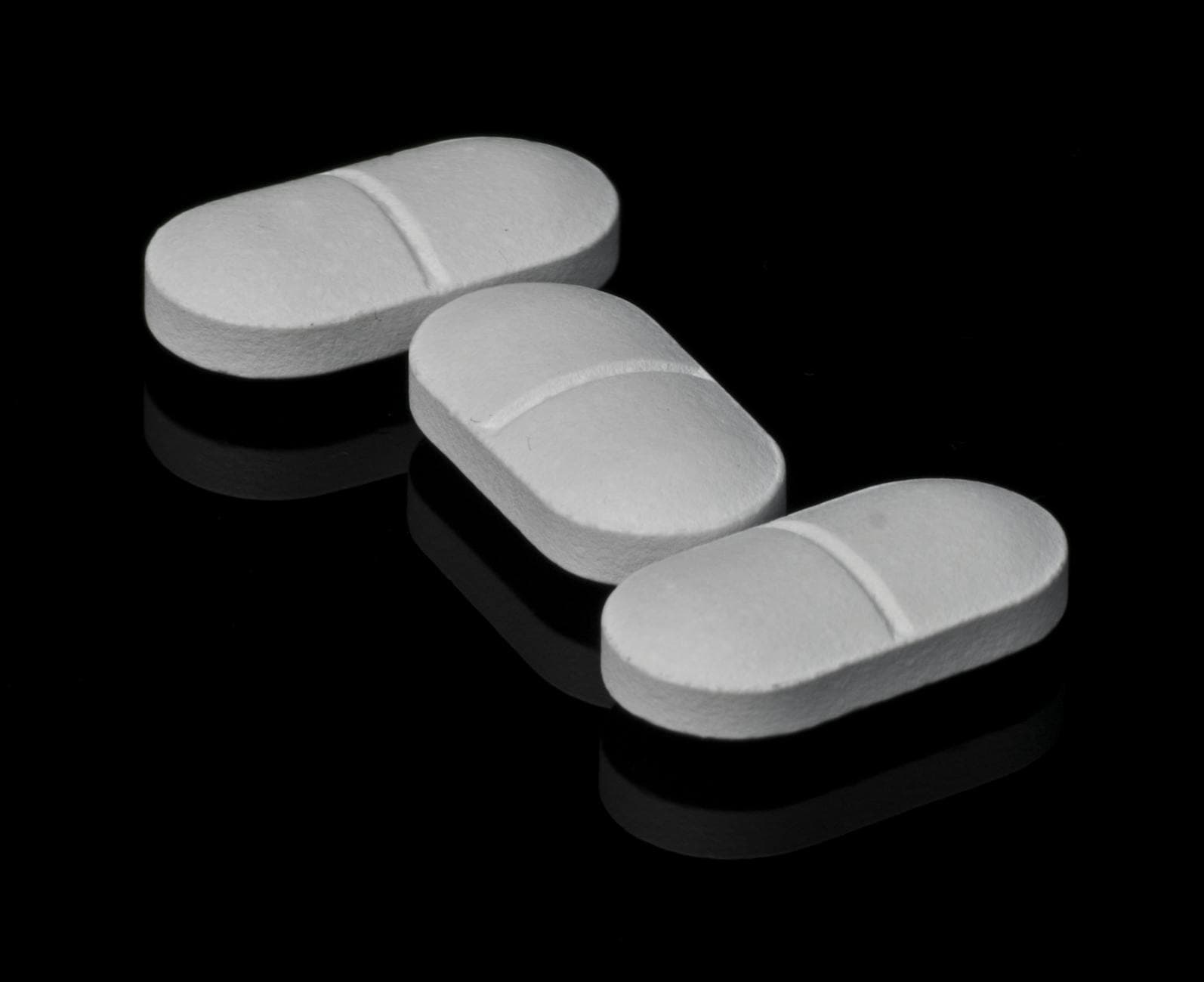
A safe home abortion requires three essential components: obtaining medications from a licensed doctor, following exact dosing instructions, and having access to emergency medical care if needed. The standard medication protocol uses two drugs—Mifepristone followed by Misoprostol 24-48 hours later. These medications must be prescribed by a doctor who has assessed your pregnancy through ultrasound and confirmed you have no medical contraindications.
Safety also means having a support person nearby, understanding what symptoms are normal versus concerning, and scheduling a follow-up appointment to confirm the abortion is complete. The Department of Health requires that all medical abortions, even those completed at home, be initiated through licensed healthcare facilities that can provide emergency backup care if complications arise.
Home abortion is not appropriate for everyone. Women with ectopic pregnancy, bleeding disorders, severe anemia, or certain medical conditions require in-clinic procedures. Your doctor will screen for these conditions before prescribing medications for home use.
What to Expect: Step by Step
Understanding the medical abortion process helps you prepare physically and emotionally for what happens at home. The process typically takes 1-2 days from the first medication dose to completion of the abortion.
Before the medications: You'll have a clinic appointment where a doctor performs an ultrasound to confirm pregnancy location and gestational age, reviews your medical history, explains the process, and prescribes the medications. You'll receive clear written instructions and emergency contact numbers.
Taking Mifepristone (Day 1): You swallow one Mifepristone tablet at the clinic or at home. This medication blocks the hormone progesterone, which is needed for pregnancy continuation. Most women experience no symptoms or only mild nausea after this first pill.
Taking Misoprostol (24-48 hours later): You place four Misoprostol tablets between your cheek and gum or under your tongue, letting them dissolve for 30 minutes before swallowing what remains. This medication causes the uterus to contract and expel the pregnancy. Cramping and bleeding typically begin 1-4 hours after taking Misoprostol.
During the abortion: Expect heavy bleeding with clots (often heavier than a period), strong cramping similar to severe menstrual cramps, and possibly nausea, vomiting, diarrhea, chills, or fever up to 38°C. These symptoms are normal and usually peak within 4-6 hours. You'll pass the pregnancy tissue during this time—it may be visible as a small sac or tissue clump.
Follow-up care: A clinic visit 1-2 weeks later confirms the abortion is complete through ultrasound or pregnancy test. This appointment is essential for your safety.
Common Side Effects vs Warning Signs
Knowing the difference between normal side effects and emergency warning signs is critical for home abortion safety. Most side effects are temporary and manageable at home, but certain symptoms require immediate medical attention.
Normal side effects you can manage at home:
- Heavy bleeding with clots for several hours (soaking 2 pads per hour for 2 hours is the upper limit of normal)
- Strong cramping that responds to pain medication like ibuprofen
- Nausea, vomiting, or diarrhea that resolves within 24 hours
- Mild fever up to 38°C (100.4°F) for a few hours
- Fatigue and dizziness when standing (from blood loss)
- Light bleeding or spotting for up to 4 weeks
Warning signs requiring immediate medical care:
- Soaking through 2 or more thick pads per hour for 2 consecutive hours
- Fever above 38°C lasting more than 4 hours or any fever above 39°C
- Severe pain that doesn't improve with pain medication
- Foul-smelling vaginal discharge (sign of infection)
- Continued pregnancy symptoms after one week
- Dizziness, fainting, or rapid heartbeat (signs of excessive blood loss)
If you experience any warning signs, go to your clinic's emergency contact or the nearest hospital. Bring your medications and documentation. You have the legal right to emergency care, and the treatment for these complications is the same as for a miscarriage — you do not have to explain how the pregnancy ended in order to be treated.
Self-Care After Abortion
Proper self-care after medical abortion supports physical recovery and emotional wellbeing. Your body needs time to heal, and following evidence-based care guidelines reduces complication risks.
Physical care in the first week: Rest as much as possible for the first 24-48 hours. Use sanitary pads rather than tampons to monitor bleeding and reduce infection risk. Shower normally but avoid baths, swimming, or hot tubs for one week. Take ibuprofen (400-600mg every 6 hours) for cramping—it's more effective than paracetamol for uterine pain. Eat nutritious foods and stay hydrated to replace nutrients lost through bleeding.
Activity and hygiene: You can resume light daily activities when you feel ready, usually within 1-3 days. Avoid strenuous exercise, heavy lifting, or vigorous activity for one week. Gentle walking is beneficial and helps prevent blood clots. Wash your hands before changing pads and maintain normal hygiene practices.
Sexual activity and contraception: Wait until bleeding has stopped before having vaginal intercourse to reduce infection risk. You can become pregnant again within 2 weeks of abortion, so discuss contraception with your doctor at your follow-up appointment. Many contraceptive methods can be started immediately after medical abortion.
Emotional support: It's normal to experience a range of emotions—relief, sadness, or both. Hormonal changes can also affect mood temporarily. If you need emotional support, contact the Department of Health counseling hotline at 1663 or return to your clinic for counseling services.
Frequently Asked Questions
Can I buy medical abortion pills online and use them safely at home in Thailand?
No, purchasing abortion medications online is unsafe and potentially illegal. Online pills may be counterfeit, expired, or incorrectly dosed, putting your health at serious risk. Safe medical abortion requires a doctor to confirm your pregnancy location through ultrasound, screen for medical contraindications, provide the correct medications and dosing, and offer follow-up care. The cost at legal clinics ranges from 3,000-8,000 THB for medical abortion, which includes all necessary medical supervision and emergency backup care that online pills cannot provide.
How do I know if the abortion is complete when I'm at home?
You cannot definitively confirm completion at home—this requires a follow-up clinic visit. However, signs suggesting the process is working include heavy bleeding with clots, strong cramping, and passage of pregnancy tissue. Most women experience the heaviest bleeding 4-6 hours after taking Misoprostol, then bleeding gradually decreases. You must attend your scheduled follow-up appointment (usually 1-2 weeks later) for ultrasound or pregnancy test confirmation. About 2-5% of medical abortions are incomplete and require additional medication or a minor procedure.
What should I do if I'm bleeding heavily at home and I'm worried?
Heavy bleeding is expected during medical abortion, but there are limits. Soaking through 2 thick pads per hour for 2 consecutive hours is the warning threshold. If you reach this level, contact your clinic's emergency number immediately or go to the nearest hospital emergency department. Bring your medication packaging and any documentation from your clinic. Also seek immediate care if you feel dizzy, faint, have a racing heartbeat, or have severe pain that medication doesn't relieve, as these can indicate excessive blood loss requiring treatment.
Is it safe to be alone during medical abortion at home?
While it's physically possible to be alone, it's not recommended for safety reasons. Ideally, have a trusted person with you who can provide emotional support, help with practical needs, monitor your symptoms, and get help if complications arise. If you must be alone, ensure you have a charged phone, emergency contact numbers readily available, and a plan for reaching medical care quickly if needed. Never attempt medical abortion at home if you lack reliable transportation to emergency care or if you're in a location where help cannot reach you within 30-60 minutes.
When can I return to work or normal activities after medical abortion at home?
Most women feel well enough to return to light activities within 2-3 days, though this varies individually. Heavy bleeding and cramping are usually most intense in the first 24 hours, then gradually improve. You may feel tired for several days due to blood loss. Listen to your body—rest when needed and gradually increase activity as you feel able. Avoid strenuous exercise, heavy lifting, or demanding physical work for one full week to allow proper healing. If your work is desk-based, you might return within 2-3 days; physically demanding jobs may require a week off.
What contraception can I use immediately after medical abortion to prevent another pregnancy?
You can start most contraceptive methods immediately after medical abortion. Pills, patches, rings, injections, and implants can be started the same day as taking Misoprostol or at your follow-up appointment. IUDs can be inserted once your doctor confirms the abortion is complete, usually at your follow-up visit. Condoms can be used anytime but remember you're fertile again within 2 weeks of abortion. Discuss contraception options with your doctor before or during your follow-up appointment—they can help you choose a method that fits your lifestyle, health needs, and future pregnancy plans.
Will I need antibiotics after medical abortion at home?
Routine antibiotics are not typically necessary for uncomplicated medical abortion, as infection rates are very low (less than 1%). However, your doctor may prescribe antibiotics if you have specific risk factors or if they're using a protocol that includes prophylactic antibiotics. If you develop signs of infection after your abortion—fever lasting more than 24 hours, severe abdominal pain, or foul-smelling discharge—contact your clinic immediately, as you will need antibiotics and possibly other treatment. Never take antibiotics left over from previous prescriptions without medical guidance.
References
- Criminal Code Amendment Act No. 28 B.E. 2564 (2021)
- Ministry of Public Health Notification on Counseling Services B.E. 2565 (2022)
- RSA Network, Department of Health — rsathai.org
- Department of Health Hotline 1663