Misoprostol alone is a WHO-approved method for medical abortion with an 80-98% success rate when used correctly. While the combination of mifepristone and misoprostol is more effective, misoprostol-only protocols remain a safe alternative when mifepristone is unavailable. In Thailand, all medical abortion procedures must be performed under licensed medical supervision within legal gestational limits to ensure safety and legality.
What Is Misoprostol Alone Safety Thailand

Misoprostol is a prostaglandin medication that causes uterine contractions and cervical softening, leading to expulsion of pregnancy tissue. The World Health Organization recognizes misoprostol-only regimens as safe and effective alternatives when the combined mifepristone-misoprostol protocol is not accessible.
Research shows misoprostol alone has a success rate of 80-98% depending on gestational age, dosage, route of administration, and repeat dosing. The medication works best before 12 weeks of pregnancy, with effectiveness decreasing slightly as gestational age increases. Serious complications occur in less than 1% of cases when used appropriately.
In Thailand, medical abortion is legal up to 12 weeks without conditions and 12-20 weeks after counseling, but it must be administered by a licensed physician in an approved healthcare facility. While misoprostol is available in Thailand since 2014, obtaining and using it without medical supervision remains illegal and carries unnecessary health risks. Licensed doctors can properly assess gestational age, determine appropriate dosing, screen for contraindications, and provide emergency support if needed.
What to Expect: Step by Step
Under proper medical supervision, a misoprostol-only abortion typically follows this process:
Initial consultation: Your doctor will confirm the pregnancy through ultrasound to determine gestational age and rule out ectopic pregnancy. They'll review your medical history to identify any contraindications such as severe anemia, bleeding disorders, or IUD in place.
How it is given: The amount, the route, and the spacing between doses are set by the doctor according to gestational age and the person's health, and they differ from case to case. Your doctor gives you those instructions directly, along with how to reach the facility if anything does not go as expected.
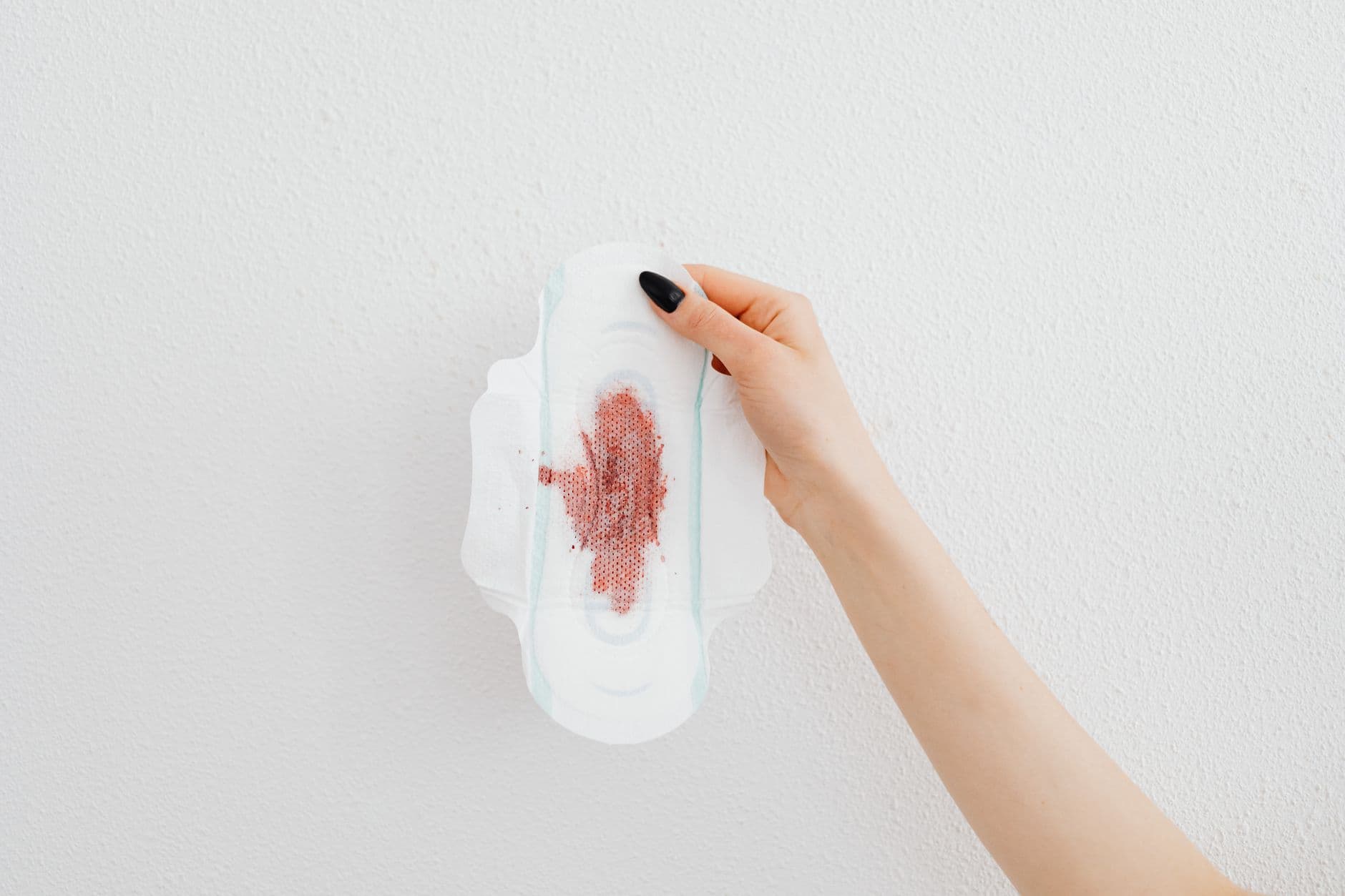
During the process: Cramping and bleeding typically begin 1-4 hours after the first dose. Bleeding is usually heavier than a normal period, with clots and tissue passing. Most pregnancy tissue expels within 4-6 hours after effective contractions begin, though the process can take up to 24 hours.
Follow-up care: A follow-up visit 7-14 days later is essential to confirm complete abortion through examination or ultrasound. If the abortion is incomplete, your doctor may recommend another dose of misoprostol or, rarely, a surgical procedure.
Common Side Effects vs Warning Signs
Understanding what's normal versus what requires immediate medical attention helps ensure your safety throughout the process.
Expected side effects include:
- Moderate to severe cramping similar to menstrual cramps
- Heavy bleeding with clots for several hours
- Nausea, vomiting, or diarrhea (usually temporary)
- Chills, mild fever below 38°C (100.4°F)
- Headache and fatigue
Seek immediate medical care if you experience:
- Soaking through two or more thick pads per hour for two consecutive hours
- Fever above 38°C lasting more than 4 hours or appearing days after medication
- Severe abdominal pain not relieved by pain medication or rest
- Foul-smelling vaginal discharge
- Signs of infection: persistent fever, chills, general weakness
- Continued pregnancy symptoms after two weeks
Having access to emergency medical care is one crucial reason why medical abortion should occur under physician supervision in Thailand. Approved facilities have protocols for managing complications immediately.
Self-Care After Abortion
Proper aftercare supports physical recovery and helps you recognize if something is wrong.
Physical care: Expect bleeding lighter than your period for 1-3 weeks. Use pads rather than tampons for at least one week to reduce infection risk. Rest when possible, especially in the first 24-48 hours. Ibuprofen effectively manages cramping and is safe to use as directed.
Activity guidelines: Avoid strenuous exercise for a few days, but gentle walking is fine and may help with cramping. You can shower immediately, but avoid baths, swimming, or submerging in water for at least one week. Avoid sexual intercourse for at least one week or until bleeding stops to reduce infection risk.
Emotional wellbeing: Hormonal changes after abortion can affect mood. Some people feel relief, others may experience sadness or a mix of emotions—all reactions are normal. If you experience persistent sadness, anxiety, or difficulty coping, reach out to your healthcare provider or call the Department of Health hotline at 1663.
Fertility returns quickly: Ovulation can occur as soon as 10 days after abortion, so discuss contraception with your doctor before resuming sexual activity if you wish to prevent pregnancy.
Frequently Asked Questions
Is misoprostol alone as effective as the combination protocol?
Misoprostol alone is slightly less effective than the mifepristone-misoprostol combination. The combination method has a 95-98% success rate, while misoprostol alone achieves 80-95% success depending on the protocol used and gestational age. However, misoprostol-only remains a WHO-approved safe alternative when mifepristone is unavailable. Your doctor can discuss which option is best for your specific situation.
Why can't I just buy misoprostol online and use it at home?
While technically possible, this approach is both illegal in Thailand and medically risky. Without proper ultrasound, you cannot confirm gestational age or rule out ectopic pregnancy, which is life-threatening if untreated. Online medications may be counterfeit, incorrectly dosed, or expired. Most importantly, you won't have access to emergency care if complications arise. Legal medical abortion through licensed doctors costs 3,000-15,000 THB and provides essential safety measures.
What happens if the misoprostol doesn't work completely?
Incomplete abortion occurs in approximately 5-15% of misoprostol-only cases. Your follow-up appointment will detect this through examination or ultrasound. Treatment options include a second dose of misoprostol or a brief surgical procedure called vacuum aspiration to remove remaining tissue. This is why follow-up care is mandatory—retained tissue can cause infection or prolonged bleeding if left untreated.
Can I use misoprostol if I have an IUD?
No, an intrauterine device (IUD) must be removed before medical abortion. The IUD can interfere with the abortion process and increase the risk of infection or incomplete abortion. Your doctor will remove the IUD before administering misoprostol. This is another critical reason why medical supervision is essential—your doctor will screen for contraindications like IUDs during the initial consultation.
How long until I can try to get pregnant again after using misoprostol?
Physically, your body can become pregnant again very quickly—ovulation may occur within 10 days. However, most doctors recommend waiting until after your first normal period to allow your body to recover and to make dating a future pregnancy easier. If you experienced complications, your doctor may recommend a longer waiting period. There is no evidence that misoprostol affects future fertility when used as directed.
What's the difference between medical supervision and doing it alone?
Medical supervision includes confirming pregnancy location and age through ultrasound, screening for health conditions that make abortion unsafe, providing correct dosing based on your specific situation, giving you pain management guidance, and offering immediate access to emergency care. Without supervision, you risk using incorrect doses, missing ectopic pregnancies, experiencing complications without support, and facing legal consequences. In Thailand's legal system, the cost and process of supervised care are reasonable and worth the safety provided.
References
- Criminal Code Amendment Act No. 28 B.E. 2564 (2021)
- Ministry of Public Health Notification on Counseling Services B.E. 2565 (2022)
- RSA Network, Department of Health — rsathai.org
- Department of Health Hotline 1663
- World Health Organization: Medical Management of Abortion Guidelines (2022)
⚠️ This article is for educational purposes only and does not constitute medical advice for individual cases. Always consult a licensed physician before making any decisions.