Confirming that an abortion is complete is essential for your health and safety. The most reliable methods are ultrasound examination 10-14 days after the procedure or a negative pregnancy test 3-4 weeks later. While certain physical signs indicate completion, only medical verification can definitively confirm that all pregnancy tissue has been expelled and no complications have developed.
What Is Confirmation of Complete Abortion
Confirmation of complete abortion means verifying that all pregnancy tissue has been successfully expelled from the uterus and that no retained tissue or complications remain. This verification protects against incomplete abortion, which occurs in approximately 2-3% of cases and requires medical intervention to prevent infection or excessive bleeding.
Medical abortion using Mifepristone and Misoprostol typically takes 24-48 hours to complete, though bleeding and cramping may continue for several days. Surgical abortion procedures are usually immediate, but follow-up confirmation remains important. In Thailand, licensed medical facilities provide both the abortion service and follow-up care to ensure completion.
Signs that suggest completion include cessation of heavy bleeding, reduction in cramping, and pregnancy symptoms gradually disappearing over 1-2 weeks. However, these signs alone cannot guarantee completion—only medical tests provide definitive confirmation. The uterus typically returns to non-pregnant size within 2-3 weeks, and menstrual cycles resume within 4-8 weeks.
What to Expect: Step by Step
Understanding the normal timeline helps you recognize when everything is progressing as expected versus when medical attention is needed.
Days 1-3 after abortion:
- Moderate to heavy bleeding with clots (lighter than soaking through 2 pads per hour)
- Cramping similar to or stronger than menstrual cramps
- Nausea, fatigue, or mild fever under 38°C may occur
- Pregnancy symptoms (breast tenderness, nausea) begin to fade
Days 4-14:
- Bleeding gradually decreases to spotting or light flow
- Cramping becomes milder and less frequent
- Energy levels return to normal
- Pregnancy test may still show positive due to residual hormones
Weeks 2-4:
- Spotting or light discharge may continue intermittently
- Pregnancy test becomes negative (typically by week 3-4)
- Follow-up ultrasound or examination confirms empty uterus
- Normal menstrual cycle preparation begins
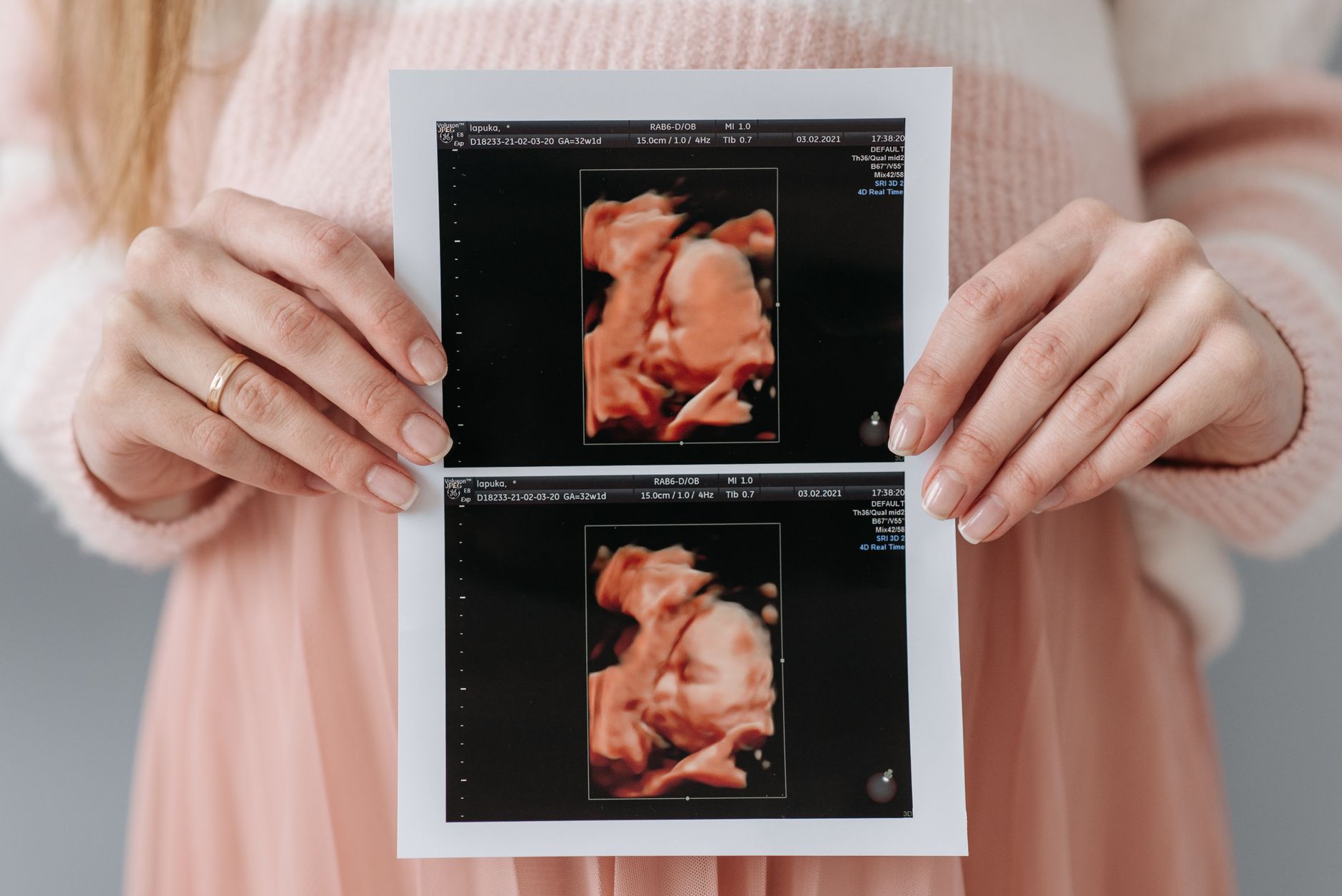
Your healthcare provider will schedule a follow-up appointment 10-14 days after the procedure. This appointment includes either an ultrasound to confirm the uterus is empty or blood tests to ensure pregnancy hormone levels have dropped appropriately.
Common Side Effects vs Warning Signs
Knowing the difference between normal post-abortion symptoms and signs requiring immediate medical attention is crucial for your safety.
Normal side effects:
- Bleeding and spotting for up to 2-3 weeks
- Mild to moderate cramping managed with over-the-counter pain relief
- Passing small clots (smaller than a golf ball)
- Breast tenderness for several days
- Emotional changes or mood fluctuations
- Fatigue during the first week
Warning signs requiring immediate medical care:
- Soaking through two or more thick pads per hour for 2+ consecutive hours
- Fever above 38°C lasting more than 24 hours
- Severe abdominal pain not relieved by prescribed pain medication
- Foul-smelling vaginal discharge (possible infection)
- Passing clots larger than a golf ball
- Dizziness, fainting, or rapid heartbeat (possible excessive blood loss)
- Continued strong pregnancy symptoms after 1 week
If you experience any warning signs, contact your healthcare provider immediately or call the Department of Health hotline at 1663. In emergencies involving severe bleeding or intense pain, go directly to the nearest hospital emergency department. These symptoms may indicate incomplete abortion, infection, or other complications requiring prompt treatment.
Self-Care After Abortion
Proper self-care supports healing and helps you monitor your recovery effectively. Rest is important during the first few days—avoid strenuous activity, heavy lifting, or intense exercise for at least one week. Your body needs energy to heal, so prioritize sleep and gentle movement like short walks when you feel ready.
Use sanitary pads rather than tampons or menstrual cups for at least two weeks to reduce infection risk and allow you to monitor bleeding accurately. Avoid sexual intercourse, swimming, and bathing (showers are fine) for at least one week or until bleeding significantly decreases. These precautions help prevent introducing bacteria while your cervix is still slightly open.
Take pain medication as prescribed or recommended by your healthcare provider. Ibuprofen often works well for cramping and inflammation. Apply a heating pad to your abdomen for additional comfort. Stay hydrated and eat nutritious meals to support your body's healing process, especially foods rich in iron if you've experienced significant bleeding.
Contraception can typically begin immediately after abortion if you wish to prevent pregnancy. Fertility returns quickly—ovulation can occur as soon as 2-3 weeks after the procedure. Discuss contraceptive options with your healthcare provider during your follow-up appointment. Your next menstrual period should arrive within 4-8 weeks.
Emotional well-being matters too. Some people experience relief, while others may feel sadness, grief, or complicated emotions. All responses are valid. If you need support, the Department of Health counselling line at 1663 provides support and referrals. RSA Network facilities also offer post-abortion counseling services.
Frequently Asked Questions
How long does it take to confirm an abortion is complete?
The most accurate confirmation comes from an ultrasound 10-14 days after the procedure or a negative pregnancy test 3-4 weeks later. While physical symptoms like reduced bleeding and cramping suggest completion within the first week, only medical verification can definitively confirm that no pregnancy tissue remains. Your healthcare provider will schedule a follow-up appointment to ensure complete expulsion and rule out complications.
Can I use a home pregnancy test to confirm completion?
Yes, but timing matters. Pregnancy hormones (hCG) remain in your system for several weeks after abortion, so tests taken too early may still show positive even when the abortion is complete. Wait at least 3-4 weeks before taking a home pregnancy test for accurate results. If the test remains positive after 4 weeks or if your pregnancy symptoms persist, contact your healthcare provider for an ultrasound examination.
What does normal bleeding look like after abortion?
Normal bleeding varies but typically starts heavy (similar to a heavy period) with clots for the first 1-3 days, then gradually decreases to moderate flow and eventually light spotting over 2-3 weeks. You may need to change pads every few hours initially, but if you're soaking through two thick pads per hour for more than two consecutive hours, this indicates excessive bleeding requiring medical attention. Some people experience intermittent spotting for up to 4 weeks, which is also normal.
Is it normal to still feel pregnant after an abortion?
Mild pregnancy symptoms like breast tenderness or slight nausea may persist for several days to one week as hormone levels gradually decrease. However, if strong pregnancy symptoms like severe nausea, significant breast enlargement, or extreme fatigue continue beyond 7-10 days, this could indicate incomplete abortion or, rarely, continuing pregnancy. Contact your healthcare provider if pregnancy symptoms remain strong after one week rather than gradually fading.
What happens if the abortion is incomplete?
Incomplete abortion requires medical treatment to remove remaining pregnancy tissue and prevent complications like infection or excessive bleeding. Your healthcare provider will confirm incomplete abortion through ultrasound and typically recommend either additional medication (Misoprostol) to expel remaining tissue or a surgical procedure called vacuum aspiration to remove it. Treatment is usually straightforward when diagnosed early, which is why follow-up appointments are essential for your health and safety.
When can I have sex after confirming the abortion is complete?
Most healthcare providers recommend waiting at least one week or until bleeding has significantly decreased before resuming sexual activity. This allows your cervix to close and reduces infection risk. After your follow-up appointment confirms completion and shows no complications, sexual activity can safely resume. Remember that fertility returns quickly—you can become pregnant again within 2-3 weeks of abortion, so discuss contraception with your provider before resuming sexual activity if you wish to prevent pregnancy.
Where can I get follow-up care in Thailand?
All hospitals and clinics in the RSA Network provide follow-up care after abortion procedures. If you had your abortion at a licensed medical facility, they will schedule your follow-up appointment automatically. If you need to access follow-up care elsewhere or have questions about post-abortion symptoms, contact the Department of Health counseling hotline at 1663 for referrals to nearby facilities. Most hospitals with obstetrics and gynecology departments can provide ultrasound confirmation and post-abortion care.
References
- Criminal Code Amendment Act No. 28 B.E. 2564 (2021)
- Ministry of Public Health Notification on Counseling Services B.E. 2565 (2022)
- RSA Network, Department of Health — rsathai.org
- Department of Health Hotline 1663