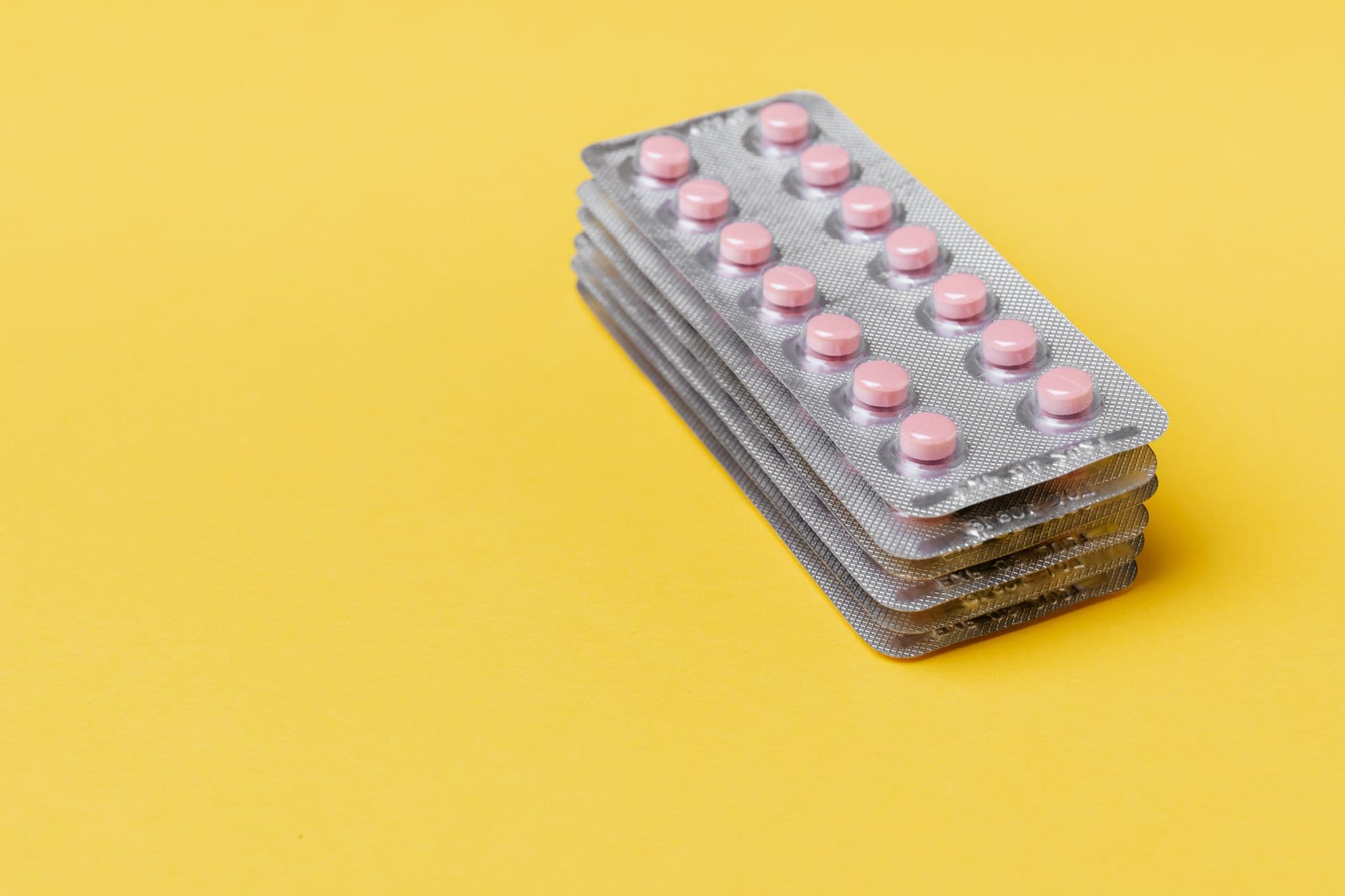
In Thailand, medical abortion using mifepristone and misoprostol is a legal option for ending pregnancy up to 12 weeks. While most side effects like cramping, nausea, and bleeding are normal parts of the process, knowing what to expect helps you prepare and recognize when medical attention is needed. This guide explains the common side effects, warning signs, and how to care for yourself during medical abortion.
What Is Abortion Pill Side Effects Mifepristone Misoprostol Thailand

Medical abortion in Thailand involves taking two medications in sequence. Mifepristone blocks progesterone, the hormone needed to maintain pregnancy, causing the pregnancy tissue to detach from the uterine wall. Misoprostol, taken 24-48 hours later, causes the uterus to contract and expel the pregnancy tissue through vaginal bleeding.
Both medications are registered with Thailand's Ministry of Public Health and included in the National List of Essential Medicines since 2016. They must be prescribed and supervised by a licensed physician at an authorized medical facility. The procedure is covered under Thailand's Universal Coverage Scheme at participating hospitals.
Side effects occur because these medications trigger biological processes similar to miscarriage. Most are temporary and manageable at home, though medical follow-up is essential to confirm the abortion is complete and address any complications.
What to Expect: Step by Step

Understanding the timeline helps distinguish normal side effects from concerning symptoms:
Day 1 (Mifepristone): After taking the first pill, you may experience mild nausea, fatigue, or no symptoms at all. Light spotting is possible but not universal. Some women feel emotionally sensitive due to hormone changes.
Day 2-3 (Misoprostol): Within 1-4 hours of taking misoprostol, cramping and bleeding begin. Cramps can range from period-like to severe, often coming in waves. Bleeding is typically heavier than a period, with clots and tissue passing. Chills, fever up to 38°C, diarrhea, and vomiting may occur for several hours.
Days 4-14: Bleeding continues but becomes lighter, similar to a period tapering off. Cramping decreases. Fatigue and breast tenderness may persist as hormone levels adjust. A follow-up appointment 7-14 days after taking misoprostol confirms the abortion is complete through examination or ultrasound.
Common Side Effects vs Warning Signs
Normal side effects that require no immediate medical attention include:
- Abdominal cramping (manageable with ibuprofen 400-600 mg every 6 hours)
- Heavy bleeding with clots up to lemon-size for the first 24 hours
- Nausea, vomiting, or diarrhea lasting a few hours after misoprostol
- Chills, dizziness, or brief fever up to 38°C
- Breast tenderness as hormones decrease
- Bleeding or light spotting for up to 2-3 weeks
Warning signs requiring immediate medical attention:
- Soaking through 2+ thick pads per hour for 2 consecutive hours
- Fever above 38°C lasting more than 24 hours or fever above 39°C
- Severe abdominal pain not relieved by painkillers or rest
- Foul-smelling vaginal discharge (possible infection)
- Continuous dizziness, weakness, or fainting
- No bleeding within 24 hours of taking misoprostol
If you experience any warning signs, contact your healthcare provider immediately or call the Department of Health hotline at 1663. In emergencies, go to the nearest hospital emergency room.
Self-Care After Abortion
Proper self-care reduces discomfort and supports recovery:
Pain management: Ibuprofen is more effective than paracetamol for cramping because it reduces inflammation. A heating pad on your lower abdomen provides additional relief. Avoid aspirin, as it increases bleeding.
Rest and nutrition: Rest when possible, especially during the first 24-48 hours. Stay hydrated and eat light, easily digestible foods. Iron-rich foods like leafy greens and lean meat help replace blood loss.
Hygiene: Use sanitary pads rather than tampons for at least the first week to reduce infection risk. Shower normally but avoid baths, swimming, or inserting anything into the vagina until bleeding stops and your follow-up confirms everything is complete.
Emotional support: Hormonal changes can cause mood swings. Many women feel relief, sadness, or a mix of emotions. Reach out to trusted friends, family, or counseling services if needed. The DoH hotline 1663 provides post-abortion support.
Return to activities: Most women can resume normal activities within a few days, but listen to your body. Avoid strenuous exercise until bleeding significantly decreases. Sexual activity should wait until follow-up confirms the abortion is complete, typically after 1-2 weeks.
Frequently Asked Questions
How long does bleeding last after medical abortion?
Bleeding typically lasts 1-3 weeks, with the heaviest flow in the first 24-48 hours after taking misoprostol. The bleeding gradually decreases, similar to a period ending. Light spotting may continue until your next menstrual period, which usually returns within 4-8 weeks. If heavy bleeding persists beyond two weeks or you experience any warning signs, contact your healthcare provider.
Can I take pain medication before the cramping starts?
Yes, taking ibuprofen 30-60 minutes before taking misoprostol is recommended to manage cramping more effectively. Your doctor may prescribe 400-600 mg every 6 hours as needed. Taking medication proactively helps prevent pain from becoming severe and makes the experience more manageable.
Is it normal to see large blood clots during medical abortion?
Yes, passing blood clots up to the size of a lemon is normal during the first 24 hours after taking misoprostol. These clots are a combination of blood and pregnancy tissue. Clots larger than a lemon, persistent heavy clot passage, or clots accompanied by severe pain should be evaluated by a doctor.
What if I don't bleed much after taking the abortion pills?
If you experience minimal or no bleeding within 24 hours of taking misoprostol, contact your healthcare provider. This may indicate the medication hasn't worked as expected, requiring evaluation and possibly an additional dose or alternative procedure. Your follow-up appointment will confirm whether the abortion is complete through examination or ultrasound.
Can side effects from mifepristone and misoprostol be dangerous?
Medical abortion is very safe when performed under medical supervision, with serious complications occurring in less than 1% of cases. Most side effects are temporary and manageable at home. However, untreated complications like severe infection or incomplete abortion can be dangerous, which is why follow-up care and knowing warning signs are essential parts of the process.
Will abortion pills affect my ability to get pregnant in the future?
No, medical abortion does not affect future fertility. Your menstrual cycle typically resumes within 4-8 weeks, and you can become pregnant again before your first period returns. If you don't want to conceive immediately, discuss contraception options with your doctor during your follow-up appointment.
Where can I get medical abortion pills legally in Thailand?
Medical abortion must be obtained through licensed physicians at authorized healthcare facilities in Thailand. Facilities in the RSA Network across the country provide safe abortion services, including medical abortion up to and including 12 weeks of pregnancy. Visit rsathai.org or call the Department of Health hotline 1663 for referrals to nearby providers. Never purchase abortion medications online or from unauthorized sources, as counterfeit or improper use can be dangerous.
References
- Criminal Code Amendment Act No. 28 B.E. 2564 (2021)
- Ministry of Public Health Notification on Counseling Services B.E. 2565 (2022)
- RSA Network, Department of Health — rsathai.org
- Department of Health Hotline 1663