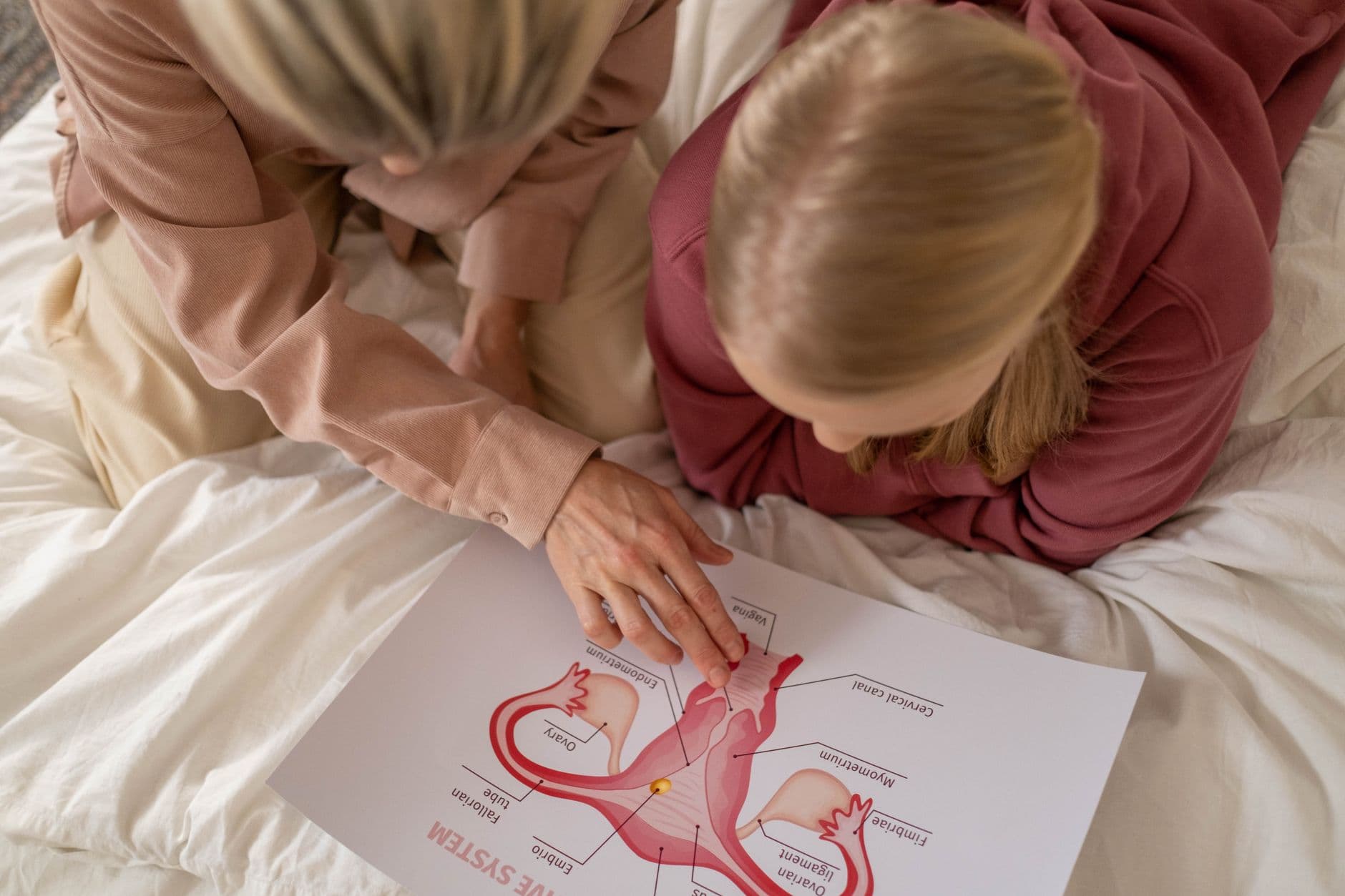
Many women in Thailand face difficult decisions about abortion while navigating cultural beliefs about karma, spirits, and social judgment. Understanding the difference between traditional myths and current medical and legal facts helps you make informed choices about your health and future. Since February 2021, Thai law has changed significantly to protect reproductive rights.
What Is Abortion Myths Thai Culture Beliefs Debunked

Thai culture has long mixed Buddhist teachings, folk beliefs, and social expectations to create powerful narratives about abortion. Common myths include fears of bad karma, haunting by child spirits (luk krok), infertility as punishment, and permanent social shame. These beliefs often prevent women from seeking safe, legal medical care and push them toward dangerous unofficial providers.
The reality is that abortion is a medical procedure regulated by law, not a spiritual crime. Under the Criminal Code Amendment Act No. 28 B.E. 2564 (2021), abortion is legal up to and including 12 weeks of pregnancy without needing to provide any reason. Between 12 and 20 weeks, it is permitted after examination and options counseling by a physician together with other qualified professionals. Beyond 20 weeks, abortion is allowed only in circumstances set out in Section 305 of the Criminal Code.
Understanding these myths and the facts behind them empowers women to prioritize their health, safety, and personal circumstances over unfounded fears. Modern Thai law recognizes reproductive autonomy as a fundamental right.
What to Expect: Step by Step

When you contact a licensed healthcare facility for abortion services, the process follows clear medical protocols designed for your safety and wellbeing. First, you will undergo a medical assessment including ultrasound to confirm gestational age and rule out ectopic pregnancy. This step is essential regardless of cultural beliefs about the procedure.
If you are aged 15 or over, you may access services independently. People under 15 need consent from a parent or guardian according to the ministerial regulation issued under the Act for Prevention and Solution of the Adolescent Pregnancy Problem B.E. 2559. Some facilities may ask for parental countersigning even for those 15 and over, but this is the facility's internal practice, not a legal requirement. The law does not require consent from a husband, partner, or other family members.
For pregnancies between 12 and 20 weeks, you will receive counseling from qualified healthcare professionals. This is an opportunity to discuss your options, circumstances, and any concerns. There is no legally mandated waiting period or reflection period before the procedure. After counseling, if you decide to proceed, the medical team will explain the specific procedure appropriate for your gestational age, whether medication abortion or surgical procedure.
Throughout the process, licensed facilities provide privacy, medical supervision, and follow-up care. This is fundamentally different from unsafe methods promoted by unofficial providers who exploit cultural fears and legal misunderstandings.
Common Side Effects vs Warning Signs
Normal side effects after abortion include cramping similar to menstrual pain, bleeding that may be heavier than a period for several days, fatigue, and mild nausea. These are expected physical responses as your body returns to its pre-pregnancy state and are not related to karma, spirits, or divine punishment as some cultural beliefs suggest.
Warning signs that require immediate medical attention include severe pain not relieved by medication, very heavy bleeding (soaking through two or more pads per hour for two consecutive hours), fever above 38°C, foul-smelling vaginal discharge, or feeling faint and dizzy. If you experience any of these symptoms, contact your healthcare provider immediately or call 1669 for emergency services.
Emotional responses vary widely. Some women feel relief, others may experience sadness or mixed emotions. Both physical and emotional responses are normal and do not indicate spiritual consequences. If you need emotional support, the Department of Health hotline 1663 provides counseling, and the mental health hotline 1323 offers specialized support.
Long-term medical research shows that safe, legal abortion does not cause infertility, breast cancer, or mental illness—contrary to persistent myths. Complications are rare when procedures are performed by licensed medical professionals following proper protocols.
Self-Care After Abortion
Physical recovery typically takes one to two weeks. Rest for the first 24 to 48 hours, then gradually resume normal activities as you feel comfortable. Avoid strenuous exercise for about a week. Take pain medication as prescribed by your doctor, and use sanitary pads rather than tampons for at least two weeks to reduce infection risk.
Maintain good hygiene by showering normally, but avoid baths, swimming, or sitting in water for two weeks. You can eat normally—there are no foods you must avoid despite traditional beliefs about certain ingredients affecting recovery. Stay hydrated and eat nutritious meals to support healing.
Emotional self-care is equally important. Talk to trusted friends or family if you feel comfortable, or contact counseling services through hotline 1663. Journal your feelings, practice relaxation techniques, or engage in activities that bring you comfort. Remember that seeking abortion services is a legal right in Thailand, not a source of shame.
Attend your follow-up appointment as scheduled, usually within two to four weeks. Your doctor will confirm the procedure was successful and discuss contraception options if desired. You can become pregnant again quickly after abortion, so discuss birth control at your follow-up if you wish to prevent pregnancy.
Frequently Asked Questions
Does having an abortion create bad karma in Buddhism?
Buddhist teachings are interpreted differently across traditions and individuals. While some interpretations emphasize the value of all life, Buddhism also recognizes compassion, intention, and the complexity of human circumstances. Many Buddhist scholars and practitioners acknowledge that difficult decisions about pregnancy involve weighing multiple ethical considerations including existing responsibilities, health, and capacity to provide care. Modern Thai law separates religious interpretation from legal rights, affirming that abortion is a personal medical decision within specified gestational limits.
Will the spirit of the fetus haunt me as a luk krok?
The belief in luk krok (child ghosts) is a folk superstition, not a medical or legal fact. There is no scientific evidence that terminating a pregnancy creates spirits or supernatural consequences. This fear has historically been used to control women's behavior and prevent them from accessing healthcare. Licensed medical facilities provide abortion as a standard healthcare service based on medical science, not spiritual beliefs. If you experience anxiety about this myth, counseling services through hotline 1663 can help you process these concerns.
Will abortion make me infertile or unable to have children later?
Safe, legal abortion performed by licensed medical professionals does not cause infertility. Decades of medical research confirm that women who have abortions can conceive and carry healthy pregnancies afterward. This myth persists because it serves as a warning narrative in conservative cultures, but it has no basis in medical fact. Complications that could affect future fertility are extremely rare when proper medical protocols are followed. Your healthcare provider will explain any specific risks based on your individual medical history.
Do I need my husband's or partner's permission to have an abortion in Thailand?
No. Thai law does not require consent from a husband, partner, or any family member for abortion services. If you are aged 15 or over, you can access abortion services based on your own decision. People under 15 need consent from a parent or guardian. This legal protection exists because reproductive healthcare decisions affect your body, health, and future, and you have the right to make these decisions according to your own circumstances and beliefs.
Are there cultural rituals I should perform after abortion to avoid bad luck?
This is a personal choice based on your own beliefs, not a medical or legal requirement. Some women find comfort in traditional practices, while others do not. What matters medically is following your doctor's aftercare instructions, attending follow-up appointments, and seeking counseling support if needed. If performing certain rituals brings you peace, that is your decision. However, no ritual is required to prevent medical complications or social consequences—proper medical care and legal protection already provide that security.
Will people be able to tell I had an abortion, and will I be socially judged?
Medical privacy laws protect your healthcare information. Healthcare providers cannot disclose your abortion to anyone without your permission. Physically, there are no visible signs that someone has had an abortion. Any social judgment you fear reflects outdated cultural stigma, not current legal or medical reality. Thailand's legal reform in 2021 recognized reproductive rights as fundamental, signaling a shift away from punitive attitudes. While changing social attitudes takes time, your legal right to access abortion services is protected, and many organizations provide support to reduce isolation and stigma.
Can I trust modern medical abortion methods or are traditional methods safer?
Modern medical abortion using Mifepristone and Misoprostol under doctor supervision is extremely safe, with success rates above 95 percent and very low complication rates. Traditional methods promoted outside medical facilities—including herbs, massage, or unsafe medications—are dangerous and can cause severe bleeding, infection, incomplete abortion, and death. These methods persist because of cultural mistrust of modern medicine and lack of information about legal options. Licensed healthcare facilities across Thailand now provide safe abortion services. Never attempt abortion outside medical supervision, regardless of cultural recommendations or online sources.
References
- Criminal Code Amendment Act No. 28 B.E. 2564 (2021)
- Ministry of Public Health Notification on Counseling Services B.E. 2565 (2022)
- RSA Network, Department of Health — rsathai.org
- Department of Health Hotline 1663