
Abortion is legal in Thailand up to 12 weeks on request and up to 20 weeks with counseling, but widespread myths still create barriers to care. This article debunks common misconceptions with facts grounded in Thai law and medical evidence, helping you make informed decisions without fear or confusion.
What Are Abortion Myths and Facts in Thailand?
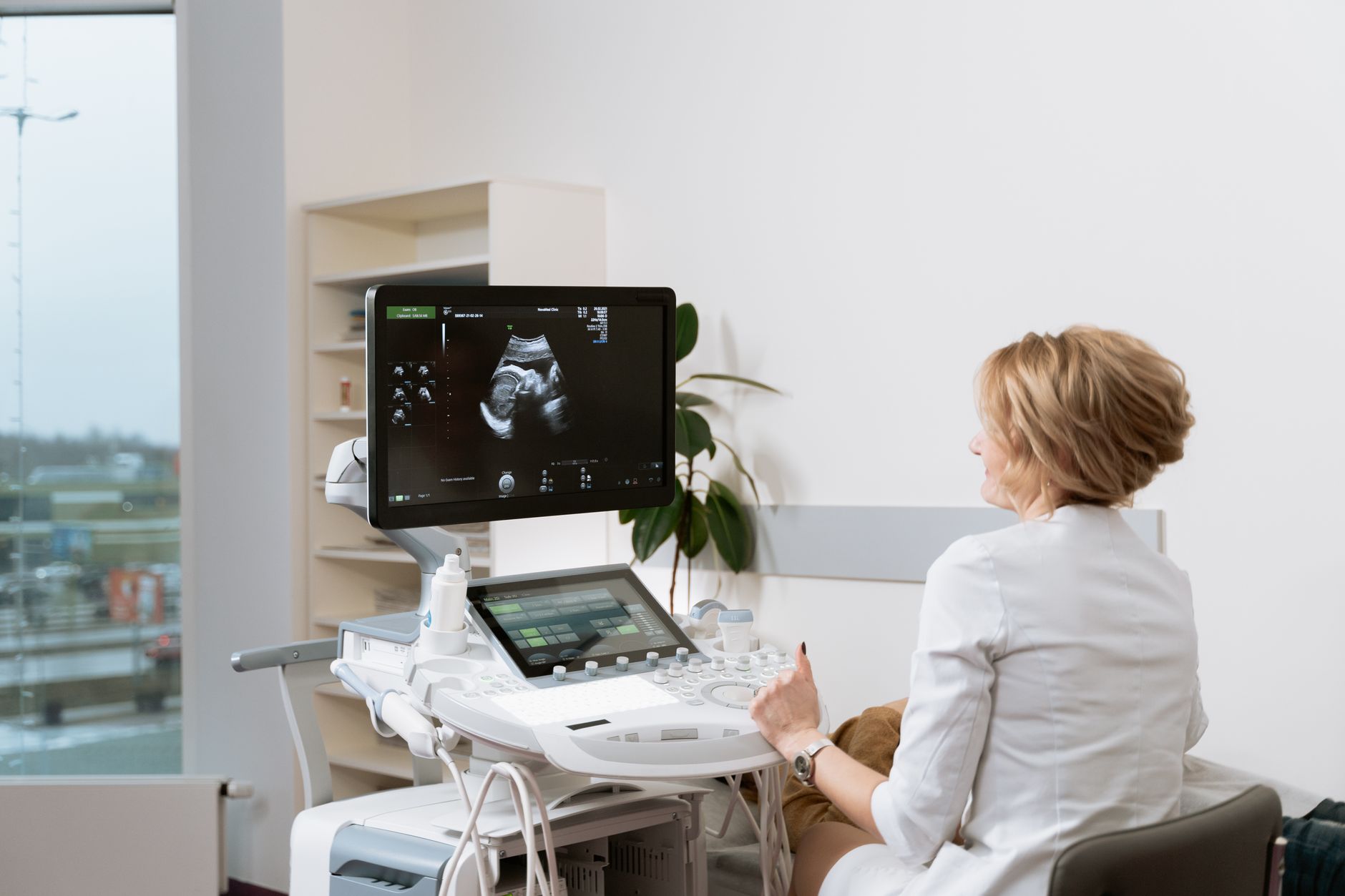
Despite legal reforms in 2021, many people in Thailand still believe abortion is illegal or dangerous. These myths stem from decades of criminalization, social stigma, and limited public education about reproductive rights. Understanding the difference between myth and fact is essential for anyone seeking safe, legal care.
Myth: Abortion is illegal in Thailand.
Fact: Abortion has been legal since February 2021 under the Criminal Code Amendment Act No. 28 B.E. 2564. Women can legally terminate pregnancies up to 12 weeks without conditions, and up to 20 weeks after receiving mandatory counseling from a licensed physician.
Myth: You need permission from a partner or parent.
Fact: Thai law does not require spousal or parental consent for abortion at any gestational age. Adults have full autonomy over their reproductive decisions. Minors may be encouraged to involve a guardian, but it is not legally mandated.
Myth: Abortion causes infertility or long-term health problems.
Fact: When performed by licensed medical professionals using WHO-approved methods, abortion does not affect future fertility. Complications are rare and comparable to those of other minor medical procedures.
What to Expect: Step by Step

Accessing legal abortion care in Thailand involves several clear steps designed to ensure safety and informed consent:
- Confirm pregnancy and gestational age: Visit a clinic or hospital for an ultrasound. Gestational age determines which legal pathway and medical method applies.
- Choose a licensed provider: Use the RSA Network directory (rsathai.org) to find hospitals and clinics authorized to provide abortion services.
- Receive counseling (if 12–20 weeks): As required by Ministry of Public Health regulations, counseling covers medical options, risks, and post-procedure care. This is informational, not intended to dissuade.
- Select medical or surgical method: For pregnancies under 10 weeks, medication abortion (mifepristone + misoprostol) is common. Surgical options like vacuum aspiration are available for later gestations.
- Follow-up care: A follow-up visit 1–2 weeks after the procedure ensures the abortion is complete and addresses any complications.
The entire process, from consultation to follow-up, typically costs between 3,000 and 15,000 THB depending on gestational age and method. Public hospitals often charge less than private clinics.
Common Side Effects vs Warning Signs
Understanding what is normal versus what requires medical attention helps you recognize complications early and seek timely care.
Common, expected side effects include:
- Cramping similar to menstrual pain, manageable with ibuprofen
- Bleeding heavier than a period for 1–2 weeks, with clots
- Nausea, mild headache, or fatigue for 24–48 hours
- Emotional responses ranging from relief to sadness
Warning signs requiring immediate medical care:
- Soaking through two or more pads per hour for two consecutive hours
- Fever above 38°C (100.4°F) lasting more than 24 hours
- Severe abdominal pain not relieved by medication
- Foul-smelling vaginal discharge
- Dizziness, fainting, or signs of shock
If you experience any warning signs, contact your provider immediately or call the Department of Health hotline at 1663. For life-threatening emergencies, call 1669.
Self-Care After Abortion
Recovery from abortion is usually straightforward, but proper self-care supports physical and emotional well-being during the first few weeks.
Physical recovery tips:
- Rest for at least 24 hours; avoid strenuous activity for 3–5 days
- Use pads instead of tampons to monitor bleeding and reduce infection risk
- Take prescribed antibiotics or pain relievers as directed
- Avoid sexual intercourse for 1–2 weeks or until bleeding stops
- Stay hydrated and eat nutritious meals to support healing
Emotional care matters too:
- Allow yourself to feel whatever emotions arise without judgment
- Talk to trusted friends, counselors, or support groups if needed
- Contact the Department of Health hotline (1663) for free counselling
Most people return to normal activities within a week. Fertility returns quickly, so discuss contraception with your provider during follow-up if you wish to prevent pregnancy.
Frequently Asked Questions
Is abortion really legal in Thailand now?
Yes, abortion has been fully legal in Thailand since February 2021. The Constitutional Court ruled in 2020 that criminalizing abortion violated women's rights, and Parliament amended the law in 2021. You can legally access abortion up to 12 weeks on request and up to 20 weeks with counseling from a licensed doctor.
Do I need my partner's or parents' permission to get an abortion?
No. Thai law does not require consent from a partner or spouse at any stage of pregnancy. People aged 15 and over may decide to access services on their own; those under 15 need consent from a parent or guardian.
Will having an abortion make me infertile?
No. This is one of the most common myths. When performed by licensed medical professionals using approved methods, abortion does not cause infertility or affect your ability to have children in the future. Complications are rare and do not differ significantly from other routine medical procedures.
Can I buy abortion pills online safely?
No. Buying medication online is dangerous and illegal in Thailand. Pills sold online may be counterfeit, expired, or incorrectly dosed, leading to incomplete abortion or serious health risks. Legal medication abortion must be prescribed and supervised by a licensed physician at an authorized facility.
What if I'm more than 20 weeks pregnant?
Abortion after 20 weeks is legal only in specific circumstances: risk to the mother's life, severe fetal abnormality confirmed by medical examination, or pregnancy resulting from sexual abuse. A medical board evaluates these cases individually. Contact a licensed provider or call 1663 to discuss your options.
How much does a legal abortion cost in Thailand?
The cost ranges from 3,000 to 15,000 THB depending on gestational age, method (medication vs surgical), and whether you choose a public hospital or private clinic. Public hospitals in the RSA Network often provide the most affordable care. Financial assistance may be available in some cases.
What should I do if I experience heavy bleeding after an abortion?
Some bleeding is normal, but if you soak through two or more pads per hour for two consecutive hours, contact your healthcare provider immediately or call the Department of Health hotline at 1663. For life-threatening emergencies, call 1669 for emergency medical services.
References
- Criminal Code Amendment Act No. 28 B.E. 2564 (2021)
- Ministry of Public Health Notification on Counseling Services B.E. 2565 (2022)
- RSA Network, Department of Health — rsathai.org
- Department of Health Hotline 1663