Most doctors in Thailand recommend waiting 2–3 weeks after an abortion before having sex to reduce the risk of infection and allow your body to heal. However, the right timing depends on your physical and emotional readiness. It's important to wait until heavy bleeding stops and to consult with your healthcare provider about when it's safe for you.
What Is Safe Sex After Abortion in Thailand

Safe sex after abortion refers to resuming sexual activity in a way that protects your health and prevents unintended pregnancy. In Thailand, medical professionals typically advise waiting at least 2–3 weeks after a surgical or medical abortion before having penetrative sex. This waiting period allows the cervix to close fully and the uterine lining to begin healing, which significantly reduces the risk of introducing bacteria that could cause infection.
The timing can vary depending on the abortion method used, your individual healing process, and any complications. After a medical abortion (using Mifepristone and Misoprostol), you may experience bleeding for up to two weeks. After a surgical abortion, bleeding is often lighter but can still continue for several days. Your doctor will provide specific guidance based on your situation during your follow-up appointment.
It's equally important to be emotionally ready. Some people feel comfortable resuming sexual activity quickly, while others need more time. There is no rush, and it's completely normal to wait longer than the medical minimum if that's what feels right for you.
What to Expect: Step by Step
Understanding what happens after an abortion helps you plan when it's safe to have sex again. Here's what to expect during your recovery:
- Days 1–3: You'll experience bleeding similar to or heavier than a period, along with cramping. Avoid all penetrative sex during this time.
- Week 1: Bleeding typically becomes lighter, similar to the end of a period. Cramping should decrease. Your cervix is still open and vulnerable to infection.
- Weeks 2–3: Most people stop bleeding or have only light spotting. This is when many doctors say it's safe to resume sex if you feel ready.
- Week 3–4: You should have a follow-up appointment to confirm the abortion was complete and discuss contraception options.
During your recovery, avoid inserting anything into the vagina—including tampons, menstrual cups, or douches—until your doctor confirms it's safe. This helps prevent infection while your body heals.
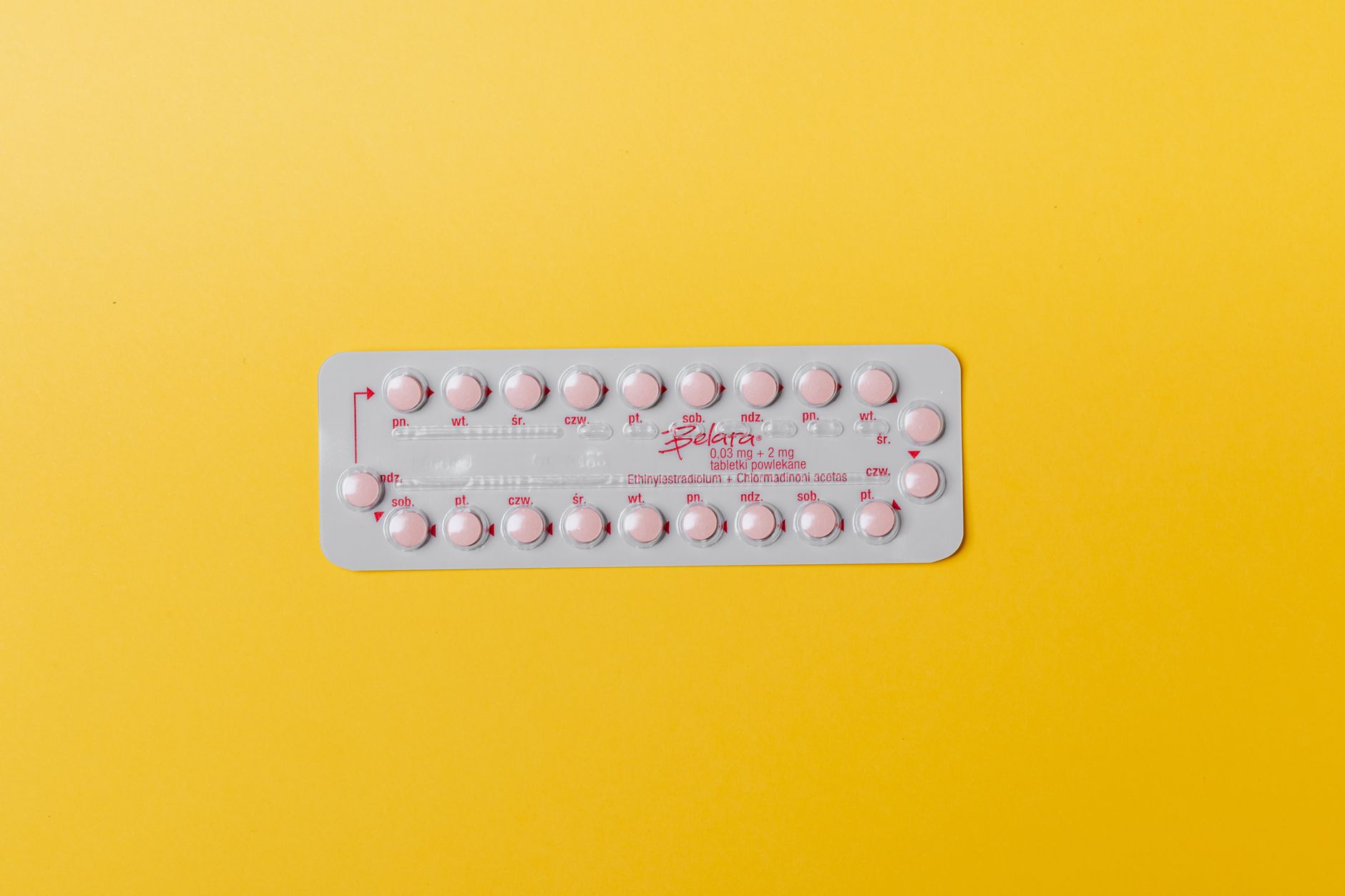
Remember that ovulation can return sooner than most people expect, which means you can become pregnant again before your first period. If you're having sex, use contraception immediately unless you're planning another pregnancy.
Common Side Effects vs Warning Signs
Knowing the difference between normal recovery and symptoms that require medical attention is essential for your safety.
Normal side effects include:
- Bleeding that gradually decreases over 1–2 weeks
- Mild to moderate cramping that improves with painkillers
- Breast tenderness for a few days
- Mild fatigue or emotional sensitivity
- Light spotting that may continue for up to 4 weeks
Warning signs that require immediate medical attention:
- Heavy bleeding that soaks through two or more pads per hour for two consecutive hours
- Severe abdominal pain not relieved by medication
- Fever above 38°C (100.4°F) or chills
- Foul-smelling vaginal discharge
- Dizziness, fainting, or rapid heartbeat
- No bleeding at all within 24 hours of a medical abortion
If you experience any warning signs, contact your healthcare provider immediately or call 1669 for emergency assistance. If you have sex before your body has fully healed and develop pelvic pain, unusual discharge, or fever, seek medical care right away as these could indicate an infection.
Self-Care After Abortion
Taking care of yourself after an abortion helps ensure a smooth recovery and prepares you for safely resuming sexual activity when you're ready.
Physical self-care:
- Rest when you feel tired and avoid strenuous exercise for at least a week
- Use sanitary pads instead of tampons to monitor bleeding and reduce infection risk
- Take prescribed or over-the-counter pain medication as directed
- Maintain good hygiene but avoid douching or using scented products
- Eat nutritious foods and stay hydrated to support healing
- Attend your follow-up appointment even if you feel fine
Emotional self-care:
- Allow yourself to feel whatever emotions arise without judgment
- Talk to someone you trust if you need support
- Don't rush into sex if you're not emotionally ready, regardless of physical healing
- Contact the 1663 hotline if you need professional counseling support
Remember that healing happens at different speeds for everyone. Some people feel physically and emotionally ready after two weeks, while others need more time. Listen to your body and communicate openly with your partner about your needs and boundaries.
Frequently Asked Questions
When can I have sex after a medical abortion in Thailand?
Most doctors recommend waiting at least 2–3 weeks after a medical abortion before having penetrative sex. This allows time for the cervix to close and reduces infection risk. Wait until heavy bleeding has stopped and you've had a follow-up appointment to confirm the abortion was complete. If you feel ready earlier or need more time, discuss this with your healthcare provider.
Can I get pregnant immediately after an abortion?
Yes, ovulation can return sooner than most people expect, which means you can become pregnant again before your first period. If you're not planning another pregnancy, start using contraception before you resume sexual activity. Your doctor can provide birth control options during your follow-up visit, including pills, injections, IUDs, or implants that can be started immediately.
What type of contraception should I use after an abortion?
You can start most forms of contraception immediately after an abortion. Birth control pills, injections, and implants can begin the same day. An IUD can be inserted right after a surgical abortion or once bleeding has stopped after a medical abortion. Condoms should always be used for at least 2–3 weeks to prevent infection, even if you're using another contraceptive method. Discuss your options with your doctor to find what works best for you.
Is it normal to not want sex after an abortion?
Yes, it's completely normal to not feel ready for sex after an abortion, even after you've physically healed. Hormonal changes, emotional processing, and physical discomfort can all affect your desire for intimacy. Some people need weeks or months before they feel ready. There's no timeline you need to follow, and it's important to communicate honestly with your partner about your feelings and boundaries.
What should I do if I have pain during sex after an abortion?
If you experience pain during sex after an abortion, stop immediately and don't continue. Pain could indicate that your body hasn't fully healed, that you have an infection, or that you're not emotionally ready. Wait a few more days and try again when you feel comfortable. If pain persists or is accompanied by fever, unusual discharge, or heavy bleeding, contact your healthcare provider as soon as possible.
Where can I get contraception after an abortion in Thailand?
Contraception is available at all hospitals and clinics in the RSA network that provide abortion services. You can also get birth control at most government hospitals, private clinics, and some pharmacies throughout Thailand. The National Health Security Office (NHSO) covers contraception costs for those with universal healthcare coverage. For guidance on where to access contraception near you, call the Department of Health hotline at 1663.
Do I need to use condoms if I'm on birth control after an abortion?
Yes, it's strongly recommended to use condoms for at least 2–3 weeks after an abortion even if you're using another form of birth control. Condoms provide an important barrier that helps prevent infection while your cervix is still healing. After that period, you can rely on your primary contraceptive method, but condoms also protect against sexually transmitted infections, so continued use is beneficial.
References
- Criminal Code Amendment Act No. 28 B.E. 2564 (2021)
- Ministry of Public Health Notification on Counseling Services B.E. 2565 (2022)
- RSA Network, Department of Health — rsathai.org
- Department of Health Hotline 1663