After a legal abortion in Thailand, most women can resume light exercise within 1–2 weeks and return to normal activity within 3–4 weeks. The recovery timeline depends on the abortion method used, gestational age, and individual healing. Understanding proper exercise restrictions helps prevent complications while supporting physical and emotional recovery.
What Is Exercise Restrictions After Abortion Thailand
Exercise restrictions after abortion refer to temporary limitations on physical activity designed to protect the body during the healing process. In Thailand, where abortion is legal up to 12 weeks on request and up to 20 weeks after counseling, most procedures are performed using medication (mifepristone and misoprostol) or surgical methods like manual vacuum aspiration (MVA).
The first 7–10 days require the most caution. During this period, the cervix is returning to its normal size, the uterine lining is healing, and bleeding gradually decreases. Excessive physical exertion can increase bleeding, delay healing, or raise infection risk if proper hygiene isn't maintained.
Thai medical guidelines recommend avoiding strenuous exercise, heavy lifting over 5 kg, swimming in public pools, and intense abdominal workouts during the first week. Light walking is encouraged as it promotes circulation without straining healing tissues. Most women who have medication abortions before 10 weeks experience cramping and bleeding similar to heavy periods and can resume normal activities more quickly than those who have later procedures.
What to Expect: Step by Step
Days 1–3 (Immediate Recovery): Rest is essential. You may experience cramping, bleeding, and fatigue. Gentle movement like walking to the bathroom or around your home is fine, but avoid standing for long periods. Most Thai clinics recommend taking 2–3 days off work if your job involves physical labor.
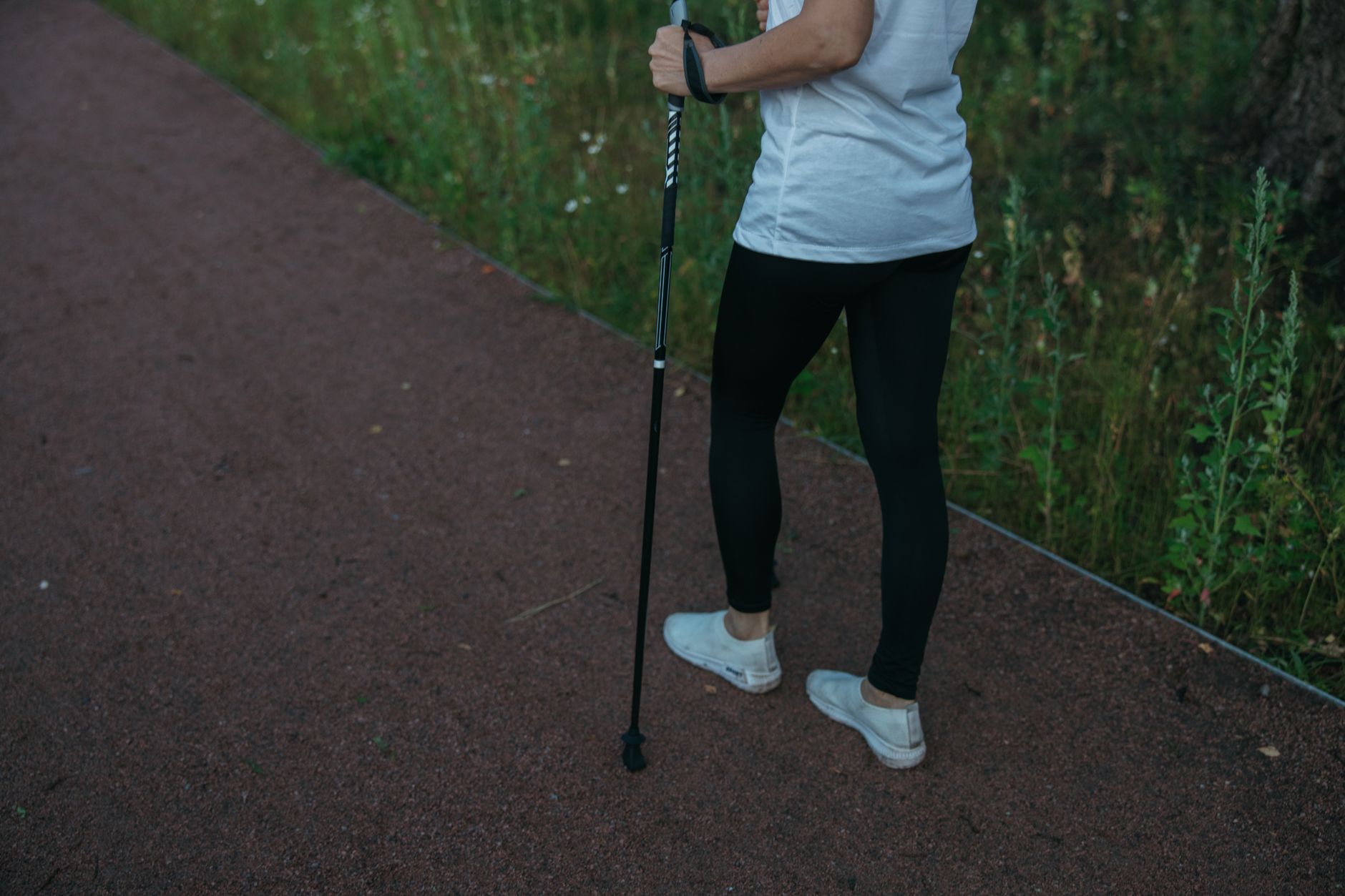
Days 4–7 (Early Recovery): Light walking for 10–15 minutes is beneficial and helps prevent blood clots. You can perform basic daily activities like cooking and light housework. Avoid bending repeatedly, climbing multiple flights of stairs, or lifting anything heavier than a grocery bag. Bleeding should be decreasing but may still be moderate.
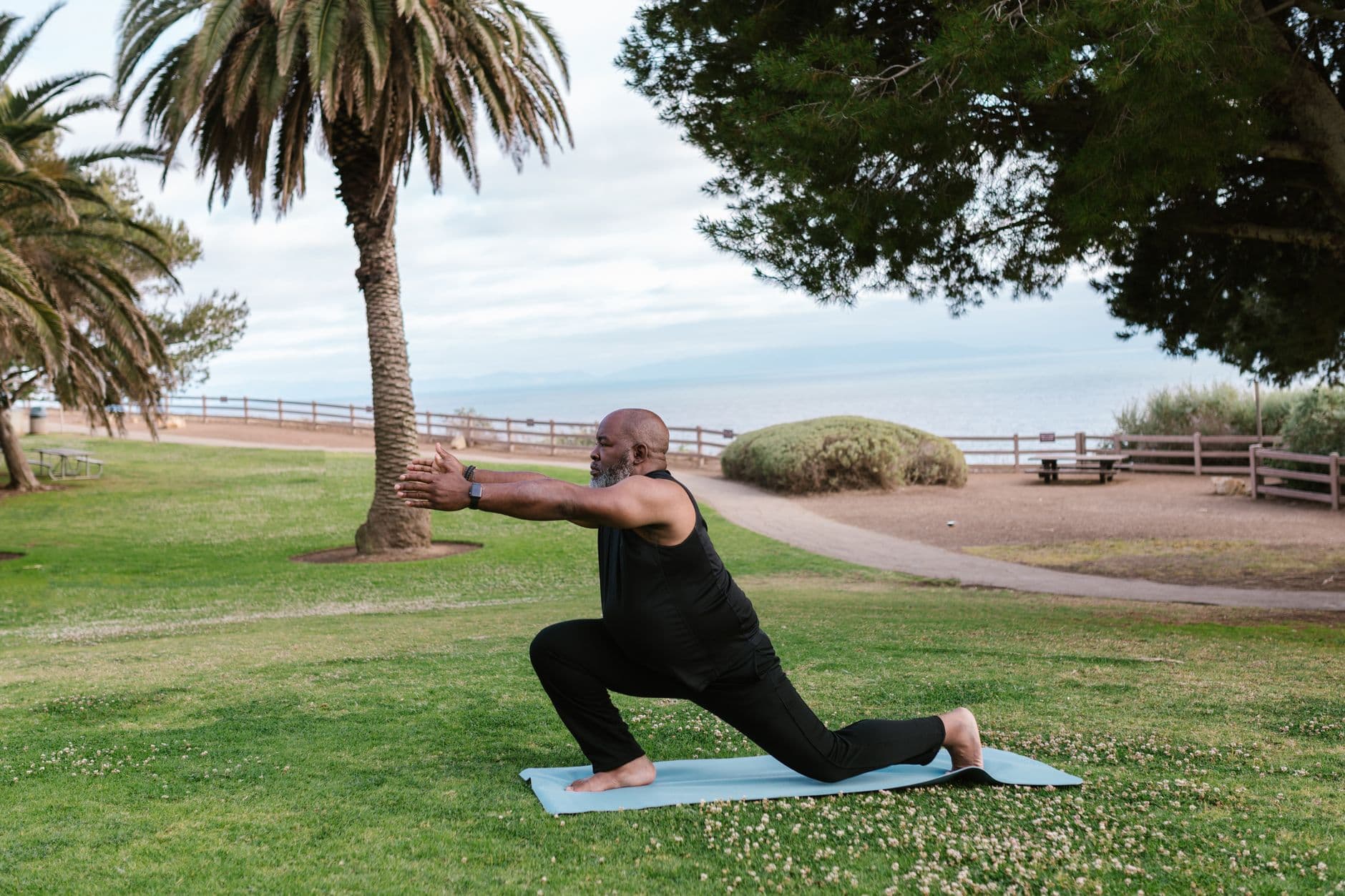
Week 2 (Gradual Return): Most women feel well enough to resume gentle yoga, stretching, or walking 20–30 minutes daily. You can return to work unless you have a physically demanding job. Avoid exercises that increase abdominal pressure like crunches, planks, or running. Swimming should wait until bleeding has completely stopped to reduce infection risk.
Weeks 3–4 (Normal Activity): If you feel well and have no complications, you can gradually return to your regular exercise routine. Start with 50–70% of your previous intensity and increase slowly. Listen to your body—some fatigue is normal as your hormones readjust. Your next period should arrive within 4–8 weeks.
Common Side Effects vs Warning Signs
Understanding the difference between normal recovery symptoms and warning signs helps you know when to rest and when to seek medical care. During the first two weeks, these are normal:
- Bleeding similar to or slightly heavier than a period, gradually decreasing
- Mild to moderate cramping that improves with rest and pain medication
- Feeling tired more easily during exercise than before
- Breast tenderness as pregnancy hormones decrease
- Emotional ups and downs related to hormonal changes
Stop exercising immediately and contact your healthcare provider if you experience:
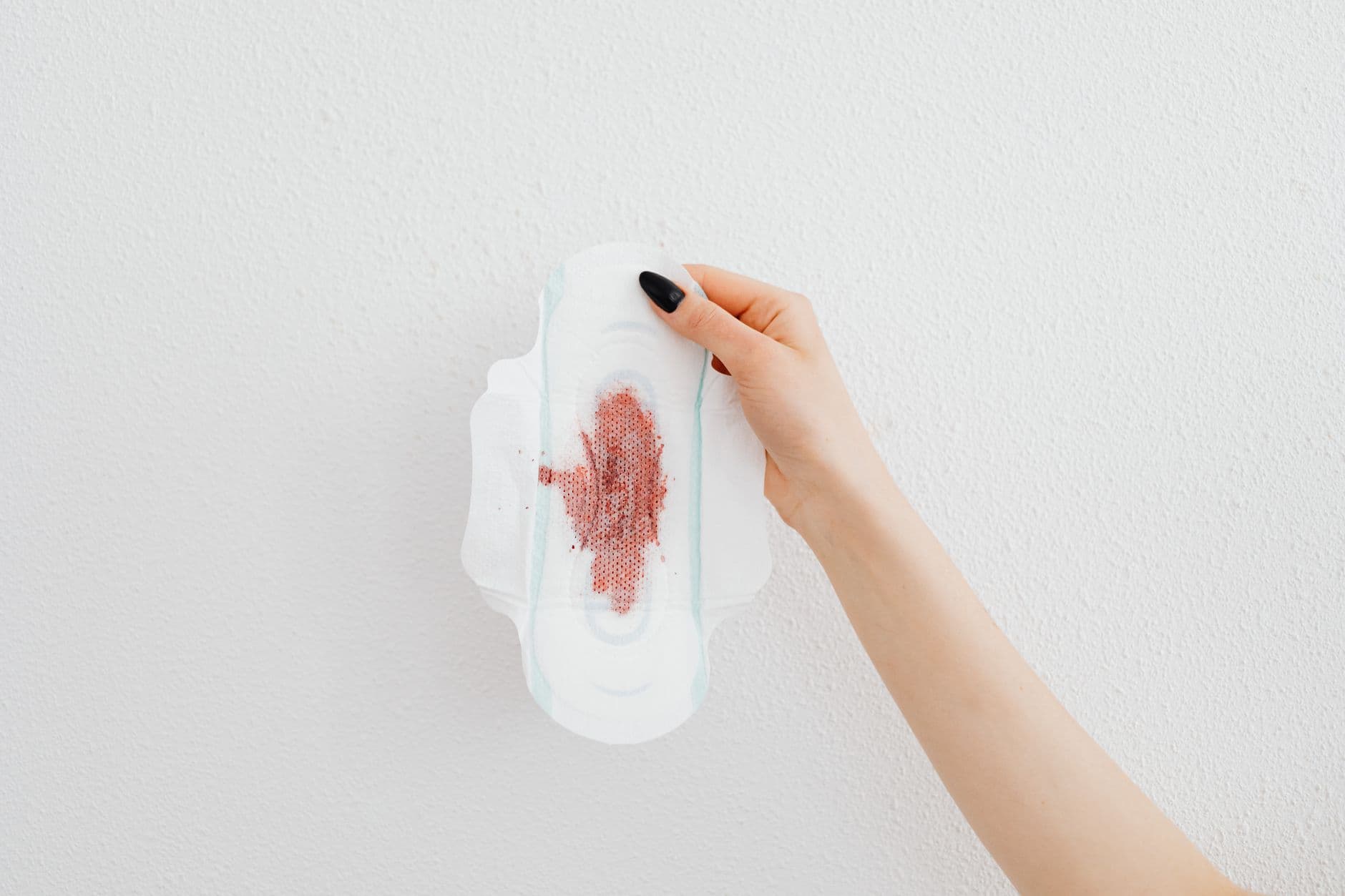
- Soaking through two or more pads per hour for two consecutive hours
- Severe abdominal pain that doesn't improve with rest or medication
- Fever above 38°C (100.4°F) or chills
- Foul-smelling vaginal discharge indicating possible infection
- Dizziness, fainting, or racing heart during light activity
- Sudden increase in bleeding after it had decreased
In Thailand, you can contact the Department of Health hotline at 1663 for 24/7 medical advice, or return to the clinic where your procedure was performed. Emergency care is available at any hospital if you have severe symptoms.
Self-Care After Abortion
Supporting your body's recovery goes beyond exercise restrictions. Proper self-care helps you heal physically and emotionally while preparing to safely return to normal activities.
Nutrition and Hydration: Eat iron-rich foods like leafy greens, lean meat, and beans to replace blood loss. Stay well-hydrated, especially in Thailand's climate, by drinking 2–3 liters of water daily. Avoid alcohol for at least one week as it can interfere with any prescribed medications and increase bleeding.
Hygiene Practices: Use pads rather than tampons for at least two weeks to reduce infection risk. Take showers instead of baths. Wash hands before changing pads. Wear breathable cotton underwear and avoid tight clothing that can trap moisture.
Emotional Wellness: Hormonal changes can affect mood. Light exercise like walking or gentle yoga can improve emotional well-being. If you're struggling emotionally, the 1663 hotline provides counseling support, and many RSA network clinics offer follow-up psychological services at no additional cost.
Follow-Up Care: Attend any scheduled follow-up appointments, typically 1–2 weeks after the procedure. If you haven't had a follow-up scheduled, contact your provider if bleeding continues beyond three weeks or you have any concerns about your recovery.
Frequently Asked Questions
How soon can I do yoga after abortion in Thailand?
You can begin gentle, restorative yoga with minimal twisting or inversions after 7–10 days if you feel well and bleeding has decreased. Avoid hot yoga, intense vinyasa flows, or poses that put pressure on the abdomen for at least two weeks. Listen to your body and stop if you experience increased bleeding or pain. Many women find that gentle yoga helps with both physical recovery and emotional processing.
When can I return to running or jogging after medical abortion?
Most healthcare providers recommend waiting 2–3 weeks before resuming running or jogging, depending on how you feel and whether bleeding has significantly decreased. Start with short distances at a slower pace than usual, and gradually increase intensity over the following week. If you experience increased cramping, bleeding, or dizziness, stop and rest for a few more days before trying again.
Can I lift weights or do strength training after surgical abortion?
Avoid lifting weights or doing strength training for at least 10–14 days after surgical abortion. When you do resume, start with light weights at 50% of your previous capacity and avoid exercises that strain the core or pelvic floor, such as heavy squats, deadlifts, or overhead presses. Gradually increase weight and intensity over 2–3 weeks while monitoring for any unusual symptoms.
Is it safe to swim in the ocean or pool after abortion in Thailand?
Wait until vaginal bleeding has completely stopped before swimming, typically 2–3 weeks after the procedure. Swimming while you're still bleeding increases the risk of infection, as water—especially in public pools or the ocean—may contain bacteria. Once bleeding stops and you feel recovered, swimming is an excellent low-impact exercise to help you regain fitness and strength.
What if I have a physically demanding job in Thailand—when can I return to work?
If your job involves heavy lifting, standing for long periods, or strenuous physical labor, plan to take at least 5–7 days off work after a medication abortion and 7–10 days after a surgical procedure. Speak with your healthcare provider about getting a medical certificate if needed. Many employers in Thailand are understanding about medical recovery time. When you return, request light duties for the first few days if possible, and avoid overtime or extra shifts during your first week back.
Can exercise help with recovery or should I rest completely?
Gentle movement actually supports recovery by improving circulation, reducing blood clot risk, and boosting mood through endorphin release. Complete bed rest is not necessary and may even slow recovery. The key is balancing activity with adequate rest. Start with short walks and gradually increase activity based on how you feel. Exercise becomes a problem only if you push too hard too soon or ignore your body's signals to slow down.
Will exercise affect my menstrual cycle returning to normal?
Moderate, gradual return to exercise will not negatively affect your menstrual cycle. Your period should return within 4–8 weeks regardless of your activity level. However, excessive or intense exercise too soon after abortion can temporarily delay menstruation due to physical stress on the body. Maintain balanced nutrition and appropriate activity levels to support healthy hormonal recovery and menstrual cycle regulation.
References
- Criminal Code Amendment Act No. 28 B.E. 2564 (2021)
- Ministry of Public Health Notification on Counseling Services B.E. 2565 (2022)
- RSA Network, Department of Health — rsathai.org
- Department of Health Hotline 1663