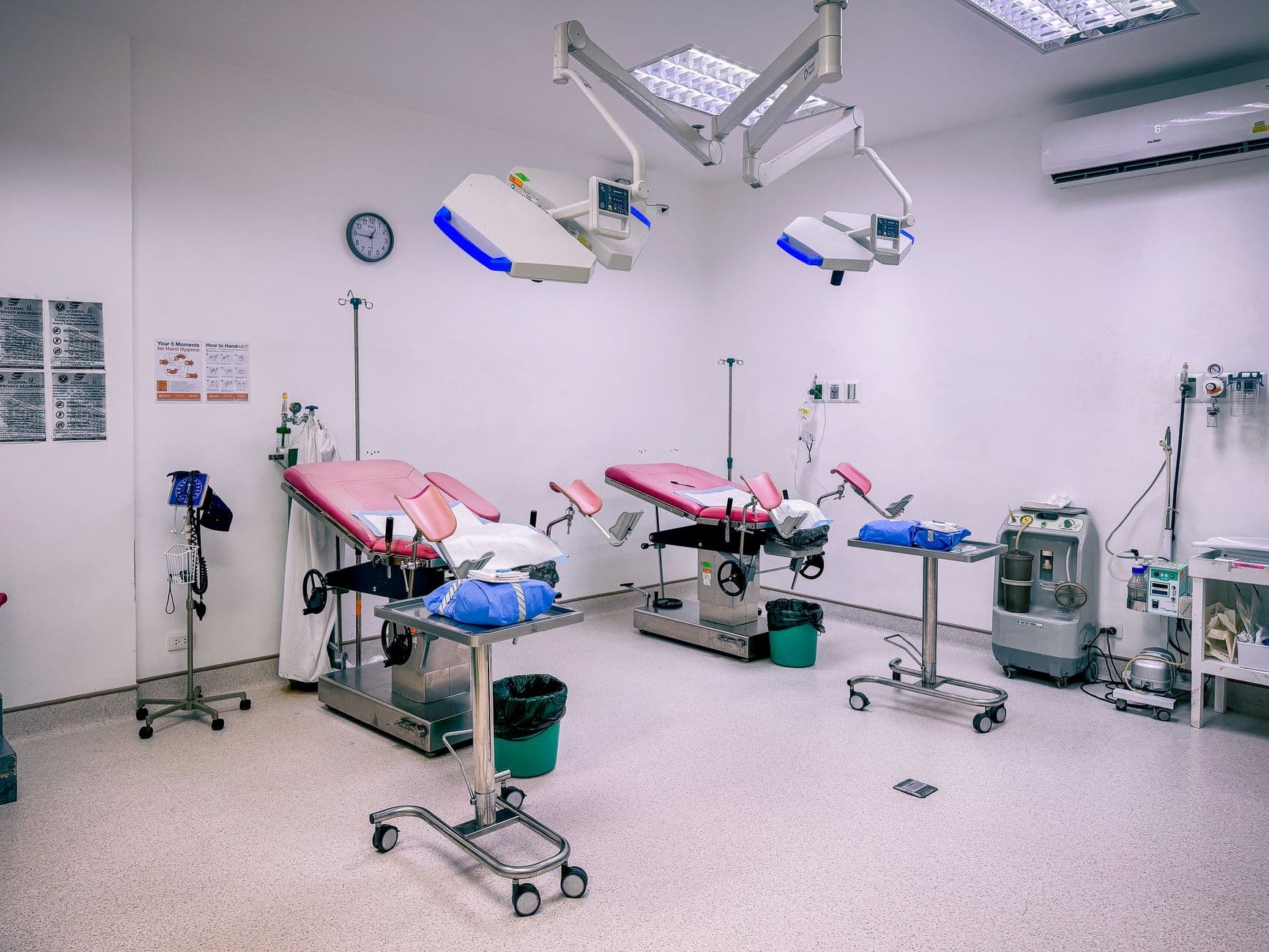
Thailand offers free pregnancy counselling through the 1663 hotline operated by the Department of Health in partnership with the Access to AIDS Foundation. These services support women facing unplanned pregnancy with non-judgmental counseling, accurate medical information, and referrals to safe healthcare providers within the RSA (Referral System for Safe Abortion) network across Thailand.
What Is Pregnancy Counseling for Unplanned Pregnancy in Thailand?
Pregnancy counseling services in Thailand provide professional support to help women make informed decisions about unplanned pregnancy. These services are designed to be accessible and free of judgment, regardless of what decision you are considering.
The primary service is the 1663 hotline, which operates 24/7 and is staffed by trained counselors who speak Thai and can arrange translation services. The hotline provides information about all options available under Thai law, including continuing the pregnancy with support, adoption services, or safe abortion care.
Beyond the hotline, the RSA network includes doctors, nurses, social workers, and psychologists at healthcare facilities throughout Thailand. These professionals provide in-person counseling, medical examinations, and comprehensive care tailored to your situation. Counsellors are trained to provide balanced information without pressuring you toward any particular decision.
Under Thailand's current law, abortion is legal up to 12 weeks without conditions, and from 12 to 20 weeks after receiving counseling. Counseling services help you understand your legal rights, medical options, costs (typically 3,000–15,000 THB), and what to expect at each stage.
What to Expect: Step by Step

Understanding what happens during pregnancy counseling can help reduce anxiety and ensure you get the support you need. Here's what the process typically involves:
Initial Contact (1663 Hotline or Walk-in): When you first reach out, a counselor will ask basic questions about your situation in a non-judgmental way. You can ask what the counsellor needs to write down before you give your name. The counselor will listen to your concerns, answer initial questions, and explain what services are available. This conversation usually takes 15–30 minutes.
Information Session: The counselor will provide accurate information about your options based on your gestational age. This includes details about continuing the pregnancy with support services, adoption pathways, or abortion procedures. You'll learn about the legal framework, medical procedures available, expected costs, and what happens at each stage.
Referral to RSA Network: If you decide to proceed with abortion care, the counselor will refer you to a nearby RSA healthcare provider. For pregnancies between 12–20 weeks, you'll receive mandatory counseling as required by Ministry of Public Health regulations (2022), which ensures you have complete information before making your final decision.
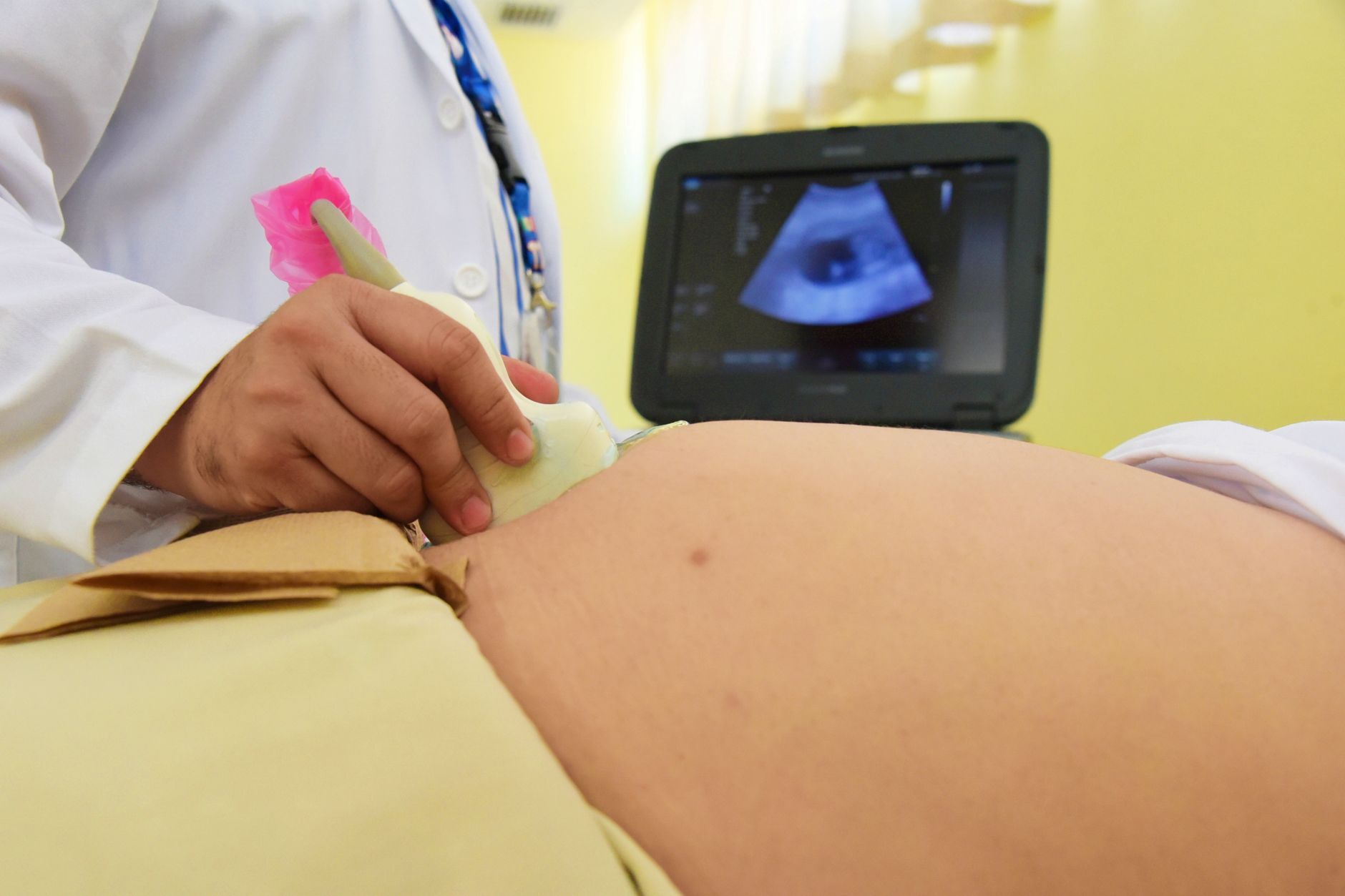
Medical Consultation: At the healthcare facility, a doctor will perform an ultrasound to confirm gestational age, discuss medical options (medication or procedural abortion), review your health history, and answer medical questions. You can ask for emotional support services or speak with a social worker if needed.
Follow-up Support: After your decision, counseling services remain available. The 1663 hotline can provide post-abortion emotional support, answer questions about recovery, or help with any complications that may arise.
Common Questions vs Important Concerns During Counseling
During counseling, it's natural to have many questions and concerns. Understanding the difference between common questions and situations that require immediate attention helps you use counseling services effectively.
Common Questions Counselors Can Help With:
- "What are all my legal options at my gestational age?"
- "How much will abortion care cost, and are there financial assistance programs?"
- "What's the difference between medication and surgical abortion?"
- "Can I access services without my partner or family knowing?"
- "What happens if I'm unsure about my decision?"
- "Are there support services after abortion?"
Important Concerns Requiring Immediate Attention:
- You are experiencing domestic violence or coercion regarding your pregnancy decision
- You are under 15 and concerned about a parent or guardian's consent
- You have been offered illegal medications or unsafe abortion services
- You are experiencing severe anxiety, depression, or thoughts of self-harm
- You have pre-existing medical conditions that may affect your options
- You have been sexually assaulted and need integrated support services
Counselors are trained to recognize urgent situations and can immediately connect you with specialized services, including mental health professionals, legal advocates, or protective services. The 1663 hotline works with a multi-disciplinary network to ensure you receive comprehensive support tailored to your specific circumstances.
Emotional Self-Care During Decision-Making
Facing an unplanned pregnancy can be emotionally overwhelming. Taking care of your mental health during this time is as important as addressing the medical aspects. Here are evidence-based strategies to support yourself through the decision-making process:
Give Yourself Permission to Feel: Whatever emotions you're experiencing—fear, confusion, relief, grief, anger—are valid. There is no "right" way to feel about an unplanned pregnancy. Counselors emphasize that your feelings may change from day to day, and that's completely normal.
Limit Information Overload: While researching your options is important, spending hours reading conflicting information online can increase anxiety. Rely on verified sources like the 1663 hotline, RSA network providers, and official Department of Health resources. Set boundaries around how much time you spend researching each day.
Build Your Support System: Identify at least one trusted person you can talk to—this might be a friend, family member, partner, or professional counselor. If you don't feel comfortable talking to anyone you know, the 1663 hotline provides ongoing emotional support throughout your decision-making process.
Practice Self-Compassion: Avoid judging yourself for your situation or your feelings. Many women face unplanned pregnancy, and seeking help is a sign of strength, not weakness. If you notice harsh self-criticism, try speaking to yourself as you would to a close friend in the same situation.
Manage Acute Stress: Use grounding techniques when anxiety feels overwhelming—deep breathing (4 counts in, 6 counts out), naming 5 things you can see around you, or brief walks can help. If you're experiencing severe distress or thoughts of self-harm, call 1663 immediately for mental health support.
Frequently Asked Questions
Is counselling free, and what gets written down?
Counselling and information through the 1663 hotline and the RSA network are free of charge. Counsellors are not permitted to pass on what you tell them without your consent, and the law also sets out situations where disclosure is required, such as an immediate risk to someone's safety. If it matters to you, you can ask at the start of the call what is written down — you can ask that before you give your name. Medical procedures have their own costs, which vary by facility and method; ask the facility directly.
What if I don't speak Thai fluently? Can I still access counseling services?
The 1663 hotline can arrange translation services, though availability may vary depending on the language and time of day. Many RSA network facilities in areas with international communities have English-speaking staff or can arrange interpreters. When you call 1663, explain what language you speak, and the counselor will work to connect you with appropriate support. You can also bring a trusted bilingual friend to in-person counseling sessions if that makes you more comfortable.
I'm under 18 years old. Can I get pregnancy counseling without my parents knowing?
Yes, you can contact the 1663 hotline and receive counseling at any age without parental permission. People aged 15 and over may decide to access services on their own. Those under 15 need consent from a parent or guardian, under the ministerial regulation issued under the Act for Prevention and Solution of the Adolescent Pregnancy Problem B.E. 2559. Some facilities ask a parent or guardian to countersign even for patients aged 15 and over; this is the facility's own practice, not a legal requirement, so it is worth asking your chosen facility in advance. Counselors will explain your rights clearly and help you understand what consent is needed for different options. In cases involving minors, counselors are specially trained to assess safety and may involve social workers if there are concerns about coercion or abuse. The priority is always your safety and wellbeing.
What's the difference between the 1663 hotline counseling and counseling at a hospital?
The 1663 hotline provides initial information, emotional support, and referrals to healthcare providers. Hotline counselors can answer general questions about your options, legal rights, and what to expect from medical services, but they cannot provide medical examinations or prescribe treatment. Hospital or clinic counseling through the RSA network includes all of this plus medical assessment (ultrasound, health evaluation), specific procedure recommendations based on your health status, and the legally required counseling session for pregnancies between 12–20 weeks. Most women use both services—starting with 1663 for initial information and emotional support, then continuing with in-person medical counseling at an RSA facility.
The counselor asked me to think about my decision for a few days. Is this normal or are they trying to change my mind?
This is standard practice and is not about changing your mind. Professional counselors often encourage taking time to process information, especially if you've just learned you're pregnant or received your gestational age. This waiting period helps ensure you feel confident in your decision, whatever it may be. For pregnancies between 12–20 weeks, Thai law requires counseling before the procedure, which naturally involves some time between sessions. However, counselors should respect your timeline, especially if you're approaching legal gestational limits. If you feel the counselor is unnecessarily delaying or pressuring you, you can request referral to another RSA provider or call 1663 again to discuss your concerns.
Can I access counseling services if I'm not a Thai citizen?
Yes, pregnancy counseling and abortion services in Thailand are available to anyone in the country, regardless of citizenship or visa status. The 1663 hotline and RSA network facilities do not require proof of citizenship to provide counseling. For medical procedures, you will need some form of identification (passport is acceptable), and you will be responsible for payment as most services are not covered by tourist insurance. However, access to care itself is not restricted based on nationality. Counselors can help you understand costs and locate facilities that have experience working with international patients.
What if I'm still unsure after counseling? Can I change my mind?
Absolutely. You can change your mind at any point before a medical procedure begins, and counseling services remain available to support whatever decision you make. If you initially planned to continue the pregnancy but later decide on abortion (within legal gestational limits), you can contact 1663 again for referral. If you planned abortion but decide to continue the pregnancy, counselors can connect you with prenatal care and support services. There is no judgment for changing your mind, and the purpose of counseling is to ensure you have time and information to make the decision that's right for you. The only limitation is gestational age—as time passes, some options become unavailable, so counselors will help you understand your timeline while respecting your need for decision-making time.
References
- Criminal Code Amendment Act No. 28 B.E. 2564 (2021)
- Ministry of Public Health Notification on Counseling Services B.E. 2565 (2022)
- RSA Network, Department of Health — rsathai.org
- Department of Health Hotline 1663