Home pregnancy tests available in Thailand can be up to 99% accurate when used correctly, detecting the hormone hCG (human chorionic gonadotropin) in urine. For best results, test one week after a missed period using first-morning urine. All pregnancy tests sold in Thailand must be registered with the Food and Drug Administration (FDA) and meet ISO 13485 standards. If you receive a positive result, follow-up with a licensed healthcare provider is essential to confirm pregnancy and discuss your options.
What Is Pregnancy Test Accuracy Thailand How to Use

Pregnancy tests work by detecting hCG, a hormone produced after a fertilized egg implants in the uterus. In Thailand, all home pregnancy test kits must receive FDA approval (อย. registration) before being sold to the public. These tests are classified as medical devices and must meet strict quality standards.
The accuracy of home pregnancy tests depends on several factors: timing of the test, concentration of hCG in your urine, and following the instructions correctly. Most tests can detect pregnancy from the first day of a missed period, but waiting one week after your missed period significantly improves accuracy. Testing too early may result in a false negative because hCG levels may not yet be high enough to detect. If a late period is making you consider a pill to bring it on instead of testing, see whether a pill can answer that question instead.
When purchasing a pregnancy test in Thailand, always check for the FDA registration number (เลขทะเบียน อย.) on the package and verify the expiration date. Tests are widely available at pharmacies, convenience stores like 7-Eleven, and online platforms. Prices typically range from 40 to 300 baht depending on the brand and sensitivity level.
For the most reliable result, use first-morning urine, which contains the highest concentration of hCG. Read the instructions carefully as different brands may have slightly different procedures. Most tests show results within 3-5 minutes.
What to Expect: Step by Step
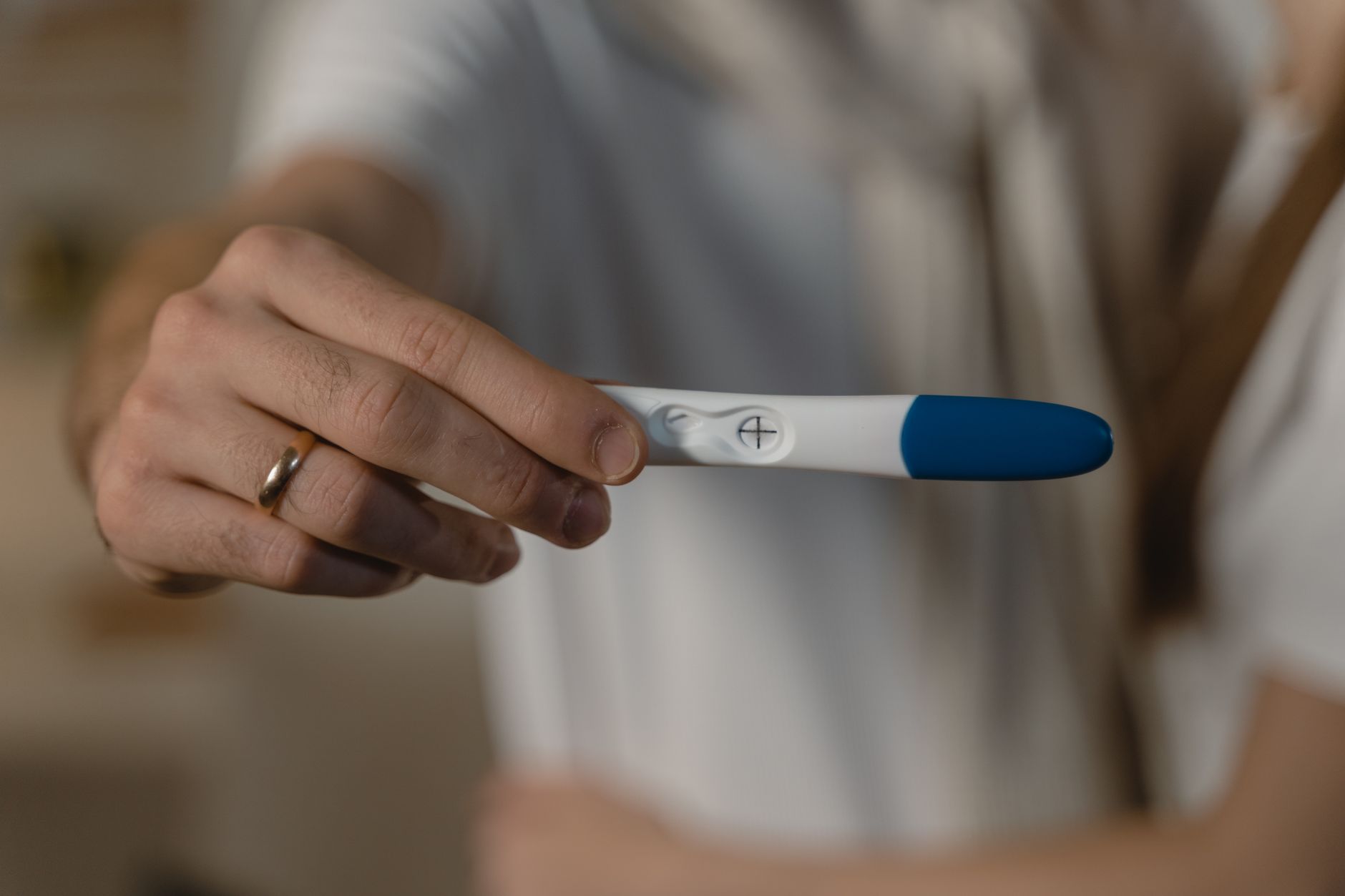
Using a home pregnancy test correctly ensures the most accurate result. Here's what to expect during the process:
- Before testing: Read all instructions in the package carefully. Do not open the test until you're ready to use it. Wash your hands thoroughly.
- Collecting urine: For best results, test with first-morning urine. You can either urinate directly on the test stick (holding it in the urine stream for the specified time, usually 5-10 seconds) or collect urine in a clean cup and dip the test strip.
- Waiting period: Place the test on a flat surface and wait for the specified time, typically 3-5 minutes. Do not read results after 10 minutes as evaporation lines may appear.
- Reading results: Most tests show two lines for positive (pregnant) and one line for negative (not pregnant). A faint second line still counts as positive. Digital tests will display "pregnant" or "not pregnant" clearly.
- After the test: If positive, schedule an appointment with a healthcare provider to confirm the pregnancy through blood test or ultrasound. If negative but your period still hasn't arrived, wait a few days and test again, or consult a doctor.
In Thailand, you can access free prenatal care and pregnancy confirmation through the Universal Coverage Scheme (บัตรทอง) at government hospitals and health centers. Private clinics also offer pregnancy confirmation services, typically costing 300-1,500 baht.
Common Side Effects vs Warning Signs
Home pregnancy tests themselves do not cause physical side effects, as they are non-invasive external tests. However, early pregnancy symptoms may begin around the time you're taking the test, which can sometimes be confused with premenstrual symptoms.
Common early pregnancy signs include:
- Missed period (the most obvious sign)
- Breast tenderness or swelling
- Nausea or morning sickness (can start 2-8 weeks after conception)
- Fatigue and increased tiredness
- Frequent urination
- Mild cramping or spotting (implantation bleeding)
Warning signs requiring immediate medical attention:
- Severe abdominal pain, especially on one side (could indicate ectopic pregnancy)
- Heavy vaginal bleeding with clots
- Dizziness or fainting
- Severe nausea and vomiting preventing you from keeping fluids down
- Fever above 38°C (100.4°F)
If you experience any warning signs, call 1669 or go to the nearest hospital emergency department immediately. Ectopic pregnancies, though rare, are medical emergencies that require prompt treatment.
Self-Care After Abortion
While this section title refers to post-abortion care, it's important to first understand your options if you've confirmed a pregnancy you did not plan. In Thailand, abortion is legal on request up to 12 weeks of pregnancy when performed by a licensed physician. Between 12-20 weeks, counseling is required before the procedure. After 20 weeks, abortion is only permitted in specific medical circumstances.
If you're considering abortion, contact the Department of Health hotline at 1663 for counselling and referral to registered healthcare facilities in the RSA Network. The cost typically ranges from 3,000 to 15,000 baht depending on gestational age and method used.
Post-abortion self-care guidelines:
- Rest for at least 24 hours after the procedure
- Use sanitary pads, not tampons, for bleeding (which may last 1-2 weeks)
- Take pain medication as prescribed by your doctor
- Avoid sexual intercourse for 2 weeks or as advised by your healthcare provider
- Watch for warning signs: heavy bleeding (soaking through 2+ pads per hour), severe pain not relieved by medication, fever, or foul-smelling discharge
- Attend your follow-up appointment, typically scheduled 1-2 weeks after the procedure
- Discuss contraception options with your doctor to prevent future unplanned pregnancy
Emotional responses after abortion vary widely and all feelings are valid. If you need support, the 1663 hotline provides post-abortion counseling services free of charge.
Frequently Asked Questions
Can I trust pregnancy tests bought from 7-Eleven or convenience stores in Thailand?
Yes, as long as the test displays an FDA registration number (เลขทะเบียน อย.) and has not expired. All pregnancy tests sold legally in Thailand must meet the same quality standards regardless of where they're purchased. However, pharmacy staff can provide guidance on proper use if you have questions, which convenience store staff may not be trained to do.
How soon after unprotected sex can I take a pregnancy test in Thailand?
For accurate results, wait at least 14 days after unprotected sex, or ideally one week after your missed period. Testing too early often results in false negatives because hCG levels are not yet high enough to detect. If you are wondering whether emergency contraception is still relevant, that question is answered by a test rather than by counting hours — see how emergency contraception differs from the abortion pill.
What should I do if the pregnancy test shows a faint line?
A faint line typically indicates a positive result, meaning you are pregnant. Faint lines often appear when testing very early in pregnancy when hCG levels are still low. Wait 2-3 days and test again with first-morning urine, or visit a healthcare provider for a blood test, which can detect lower levels of hCG and provide a definitive answer.
Are digital pregnancy tests more accurate than line tests in Thailand?
Both digital and traditional line tests have similar accuracy rates (up to 99%) when used correctly. Digital tests display results clearly as words ("pregnant" or "not pregnant"), which eliminates confusion about interpreting faint lines. However, they are typically more expensive (150-300 baht versus 40-100 baht for line tests). Choose based on your budget and preference for result display.
If my pregnancy test is positive, what are my options under Thai law?
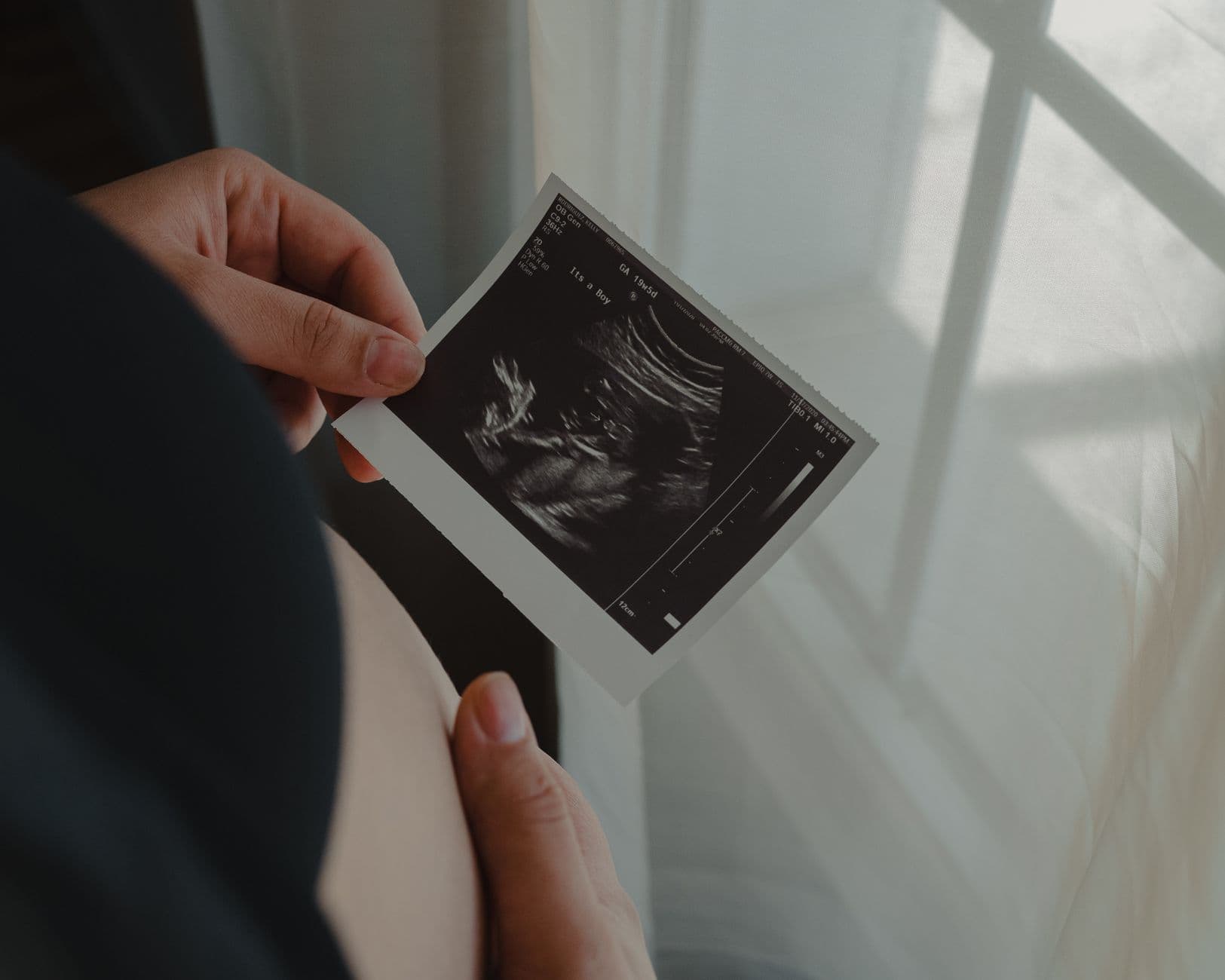
Under the Criminal Code Amendment Act B.E. 2564 (2021), you have several options. If you are at 12 weeks or less, you can legally access abortion services on request from a licensed physician at hospitals in the RSA Network. The procedure costs 3,000-15,000 baht depending on method and gestational age. Between 12-20 weeks, you can access abortion after mandatory counseling. You can also continue the pregnancy with prenatal care covered free under Thailand's Universal Coverage Scheme. Contact 1663 for counselling to discuss all options available to you.
Can medications or medical conditions affect pregnancy test accuracy?
Most common medications do not affect pregnancy test results. However, fertility treatments containing hCG can cause false positives, and diuretics or excessive fluid intake can dilute urine and potentially cause false negatives. Medical conditions like ovarian cysts, ectopic pregnancy, or certain cancers rarely produce hCG and may affect results. If you have concerns about medications or health conditions, consult your healthcare provider before testing or for result interpretation.
Where can I get a free or low-cost pregnancy confirmation in Thailand?
Government hospitals and health centers provide free pregnancy confirmation services under the Universal Coverage Scheme (บัตรทอง - Gold Card), 30-baht scheme, or Social Security. Simply bring your ID card and registration documents to any participating facility. Community health centers (ศูนย์สาธารณสุข) in your area also offer free pregnancy testing and counseling. For locations, call the Department of Health hotline at 1663.
References
- Criminal Code Amendment Act No. 28 B.E. 2564 (2021)
- Ministry of Public Health Notification on Counseling Services B.E. 2565 (2022)
- RSA Network, Department of Health — rsathai.org
- Department of Health Hotline 1663
- Thai Food and Drug Administration Medical Device Standards (ISO 13485)