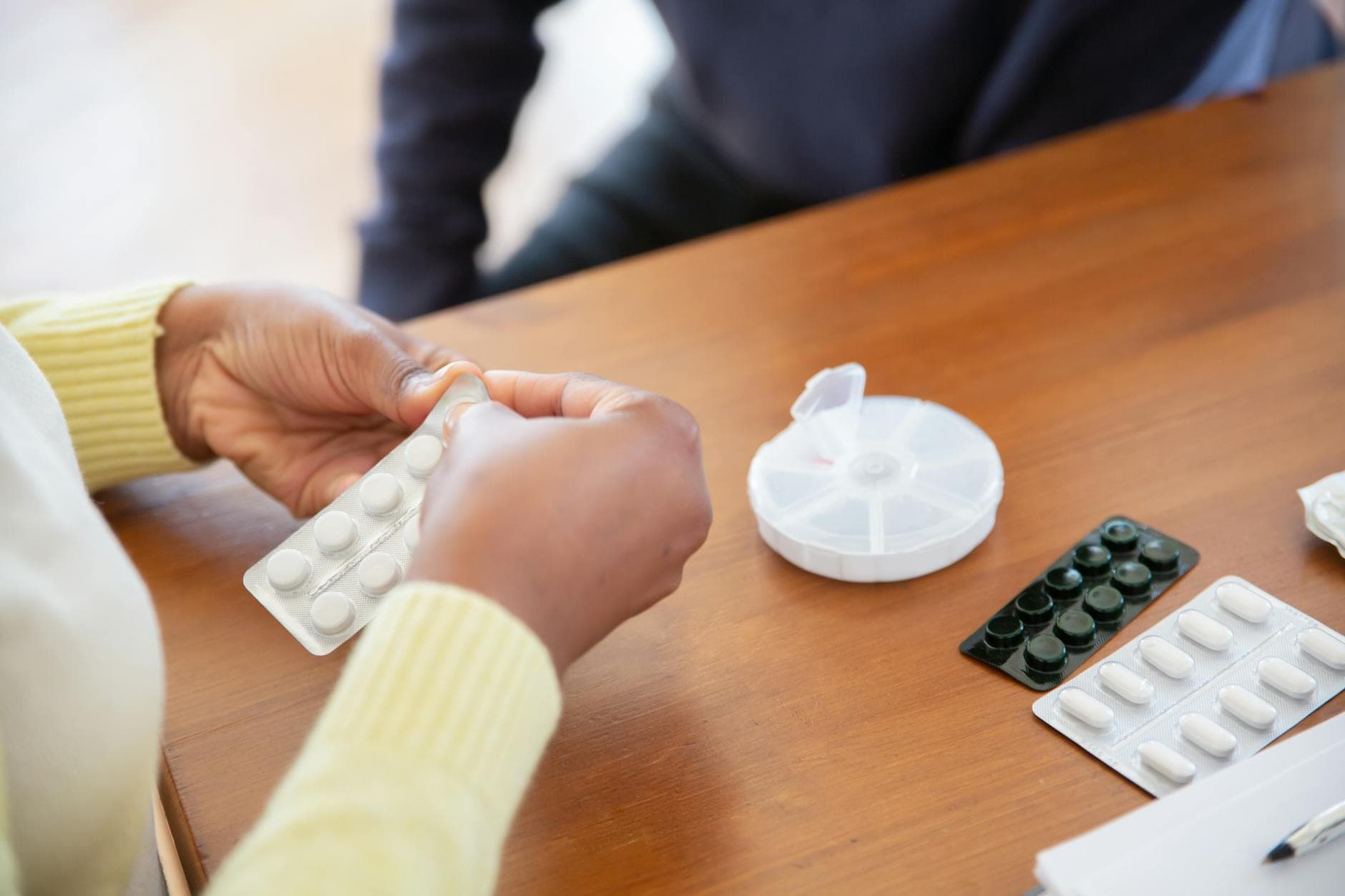
After a legal abortion in Thailand, proper self-care focuses on rest, hydration, nutrition, and following your doctor's instructions. While some natural remedies like ginger tea for nausea can help, no herbal method should replace medical supervision. Recovery typically takes 1-2 weeks, and you should always consult your healthcare provider before using any supplements or traditional remedies during this time.
What Is Natural Remedies Self-Care After Abortion Thailand

Natural remedies self-care after abortion in Thailand refers to evidence-based, non-pharmaceutical practices that support physical and emotional recovery following a legal abortion procedure performed by a licensed physician. Under Thailand's amended Criminal Code (2021), abortion is legal up to 12 weeks without conditions and up to 20 weeks after mandatory counseling. Proper aftercare is essential for preventing complications and ensuring complete recovery.
Self-care after abortion includes adequate rest, maintaining hygiene, monitoring bleeding patterns, and using gentle natural approaches to manage discomfort. Important to understand: while certain natural remedies can complement medical care, they should never replace prescribed medications or professional follow-up appointments. The term "natural" in this context means gentle, body-supportive practices rather than unproven herbal abortion methods, which are dangerous and potentially illegal after 12 weeks.
Your healthcare provider will give you specific instructions based on your procedure type (medical or surgical abortion), gestational age, and individual health needs. Always follow these guidelines first, and discuss any natural remedies you're considering with your doctor before use.
What to Expect: Step by Step
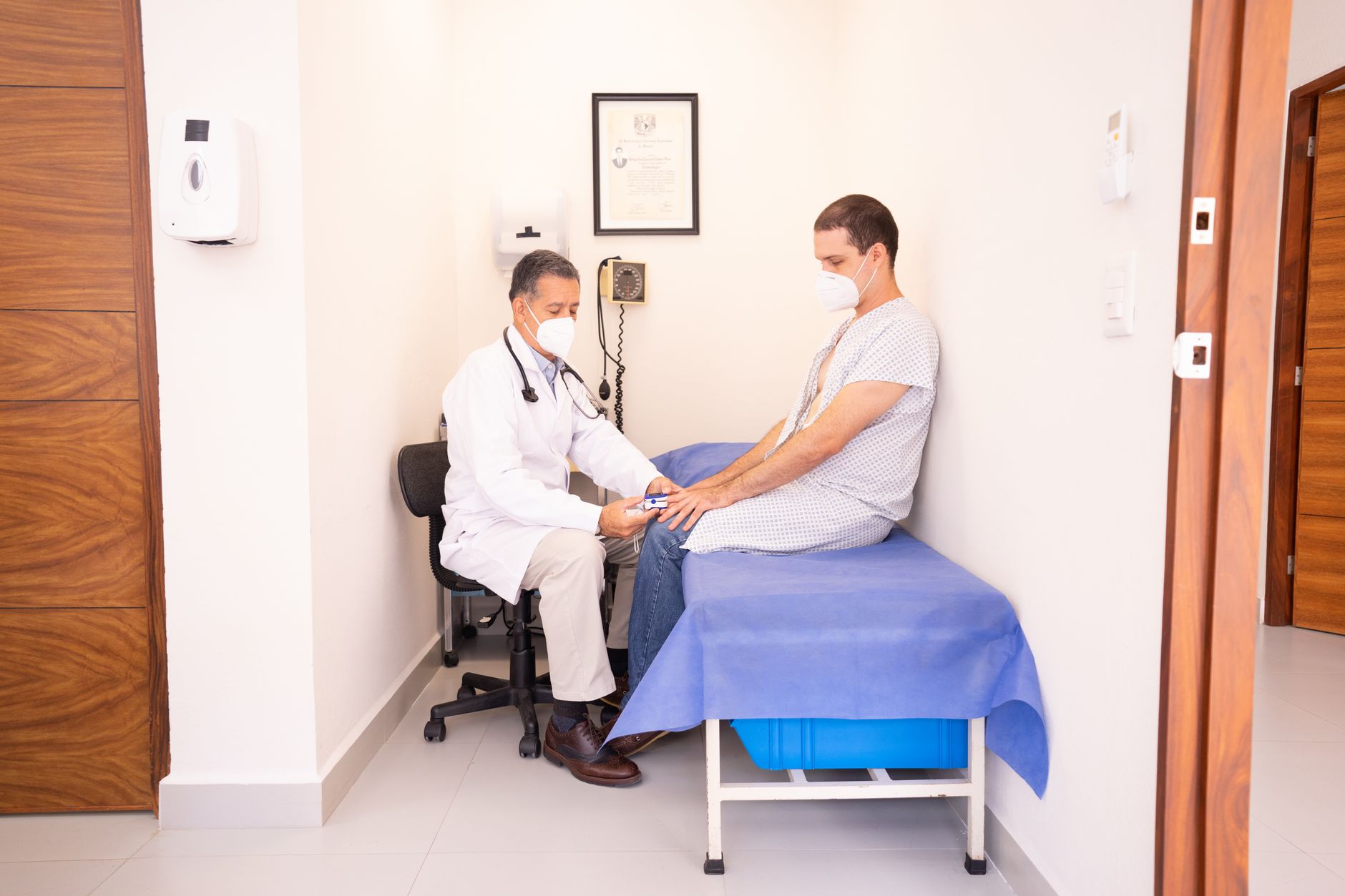
Understanding the recovery timeline helps you know what's normal and when to seek help. Here's what typically happens after a legal abortion in Thailand:
Days 1-3: Expect cramping similar to menstrual pain, bleeding heavier than a period (especially with medical abortion), and fatigue. Rest is crucial during this time. You may pass clots up to the size of a lemon, particularly after medical abortion. Take prescribed pain medication as directed.
Days 4-7: Bleeding usually decreases to period-like flow or lighter. Cramping should lessen. You can gradually return to light activities but avoid strenuous exercise, heavy lifting, or sexual intercourse. Continue monitoring your temperature daily.
Weeks 2-4: Light spotting may continue intermittently. Your body begins hormonal adjustment. Your next period typically arrives 4-6 weeks after the procedure. Schedule your follow-up appointment as instructed (usually 1-2 weeks post-procedure) to confirm complete abortion and check for complications.
Throughout recovery, stay hydrated, eat nutritious foods, and watch for warning signs that require immediate medical attention.
Common Side Effects vs Warning Signs
Knowing the difference between normal recovery symptoms and dangerous complications can be life-saving. Here's how to tell them apart:
Normal Side Effects (Expected):
- Bleeding similar to or heavier than a heavy period for several days
- Passing small to medium blood clots (up to lemon-size in first 24 hours)
- Cramping that responds to ibuprofen or prescribed pain medication
- Mild nausea, especially after medical abortion
- Breast tenderness for up to two weeks
- Emotional fluctuations due to hormonal changes
- Fatigue requiring extra rest
Warning Signs (Seek Immediate Medical Care):
- Soaking through two or more thick pads per hour for two consecutive hours
- Fever above 38°C (100.4°F) lasting more than 4 hours or recurring
- Severe abdominal pain not relieved by medication
- Foul-smelling vaginal discharge (sign of infection)
- Passing large clots (bigger than a lemon) after the first day
- Dizziness, fainting, or rapid heartbeat (signs of excessive blood loss)
- No bleeding at all within 24 hours of medical abortion (may indicate incomplete abortion)
If you experience any warning signs, contact your healthcare provider immediately or call the Department of Health hotline at 1663. For medical emergencies, go directly to the hospital emergency department.
Self-Care After Abortion
Proper self-care supports your body's natural healing process and reduces complication risks. Here are safe, evidence-based practices for recovery in Thailand:
Physical Care:
- Rest adequately: Plan for 2-3 days of reduced activity. Sleep when tired and avoid heavy lifting for at least one week
- Manage pain naturally: Use a heating pad or warm water bottle on your lower abdomen for cramps. Gentle abdominal massage in circular motions may help
- Stay hydrated: Drink 8-10 glasses of water daily. Coconut water provides natural electrolytes
- Eat iron-rich foods: Combat blood loss with leafy greens, beans, lean meat, and iron-fortified foods. Avoid taking iron supplements without medical advice
- Hygiene practices: Use sanitary pads only (no tampons or menstrual cups for 2 weeks). Shower normally but avoid baths, swimming, or hot tubs for 2 weeks
Safe Natural Remedies:
- Ginger tea: May help with nausea. Use fresh ginger steeped in hot water
- Chamomile tea: Can support relaxation and sleep quality
- Vitamin C-rich foods: Oranges, guava, and papaya support immune function and iron absorption
What to Avoid:
- Traditional Thai herbal remedies or "yu fai" (postpartum lying by fire) without explicit doctor approval
- Sexual intercourse for at least 2 weeks or until bleeding stops
- Alcohol and smoking, which impair healing
- Aspirin (use ibuprofen or paracetamol instead for pain)
- Douching or vaginal washing
Emotional Self-Care: Hormonal changes can affect mood. This is normal. Rest, talk with trusted friends or family, and consider calling 1663 if you need counseling support. Many women experience relief, while others may feel sadness—both reactions are valid and normal.
Frequently Asked Questions
Can I drink herbal teas like bael fruit or lemongrass after abortion in Thailand?
While common Thai herbal teas like bael fruit (matum) or lemongrass are generally considered safe in moderate amounts, you should consult your doctor before consuming any traditional remedies after abortion. Some herbs can affect blood clotting or interact with prescribed medications. Stick to mild teas like chamomile or ginger, which have well-documented safety profiles, and avoid concentrated herbal supplements or traditional postpartum formulas until your follow-up appointment confirms complete recovery.
How soon can I return to work after a legal abortion in Thailand?
Most women can return to desk work or light duties within 2-3 days after surgical abortion or 3-5 days after medical abortion, depending on how they feel. If your job requires heavy lifting, prolonged standing, or strenuous physical activity, plan for at least one week off work. Listen to your body—if you're still experiencing significant cramping, heavy bleeding, or fatigue, take additional rest time. Your employer cannot legally discriminate against you for medical leave, and you're not required to disclose the specific procedure.
Is it safe to use traditional Thai massage (nuad thai) after abortion?
Avoid traditional Thai massage, especially abdominal massage, for at least 2-4 weeks after abortion or until your doctor confirms complete recovery at your follow-up appointment. Thai massage techniques can be quite vigorous and may increase bleeding or cause complications during the healing period. Gentle foot massage or shoulder massage may be acceptable after one week, but always inform the therapist about your recent procedure so they can avoid abdominal pressure and adjust techniques appropriately.
What foods should I eat to recover faster after abortion in Thailand?
Focus on iron-rich foods to replenish blood loss: lean chicken, fish, eggs, tofu, beans, and dark leafy vegetables like morning glory (pak boong) and Chinese kale (kana). Combine these with vitamin C sources like guava, papaya, or oranges to improve iron absorption. Include protein at every meal to support tissue healing, stay well-hydrated with water and coconut water, and eat warm, easily digestible foods if you experience nausea. Avoid alcohol, excessive caffeine, and heavily processed foods that can slow healing.
Can I use heating pads or traditional hot compresses for cramping?
Yes, heating pads or warm water bottles applied to your lower abdomen or back are safe and effective for managing post-abortion cramping. Use medium heat (not too hot) for 15-20 minute intervals. Traditional Thai hot compresses (luk pra kob) containing herbs should be avoided unless specifically approved by your doctor, as some herbal combinations may not be appropriate during recovery. Simple heat therapy works well on its own and carries no risk of herbal interactions with your prescribed medications.
When will my menstrual cycle return to normal after abortion?
Your next period typically arrives 4-6 weeks after abortion, though it may be slightly heavier or lighter than usual. Your cycle should normalize within 2-3 months. You can ovulate as early as 2 weeks after abortion, so use contraception immediately if you don't want to become pregnant again. Discuss contraceptive options with your doctor at your follow-up appointment—many methods like pills, injections, or IUDs can be started right away. If your period hasn't returned after 8 weeks, contact your healthcare provider.
Are there any vitamins or supplements I should take during recovery?
Only take vitamins or supplements recommended by your doctor. They may prescribe iron supplements if you experienced heavy bleeding, or continue prenatal vitamins you were already taking. Avoid self-prescribing herbal supplements or traditional remedies, as some can interfere with healing or prescribed medications. A balanced diet with fruits, vegetables, and protein usually provides all the nutrients you need for normal recovery. If you're vegetarian or have dietary restrictions, discuss appropriate supplementation with your healthcare provider at your follow-up visit.
References
- Criminal Code Amendment Act No. 28 B.E. 2564 (2021)
- Ministry of Public Health Notification on Counseling Services B.E. 2565 (2022)
- RSA Network, Department of Health — rsathai.org
- Department of Health Hotline 1663