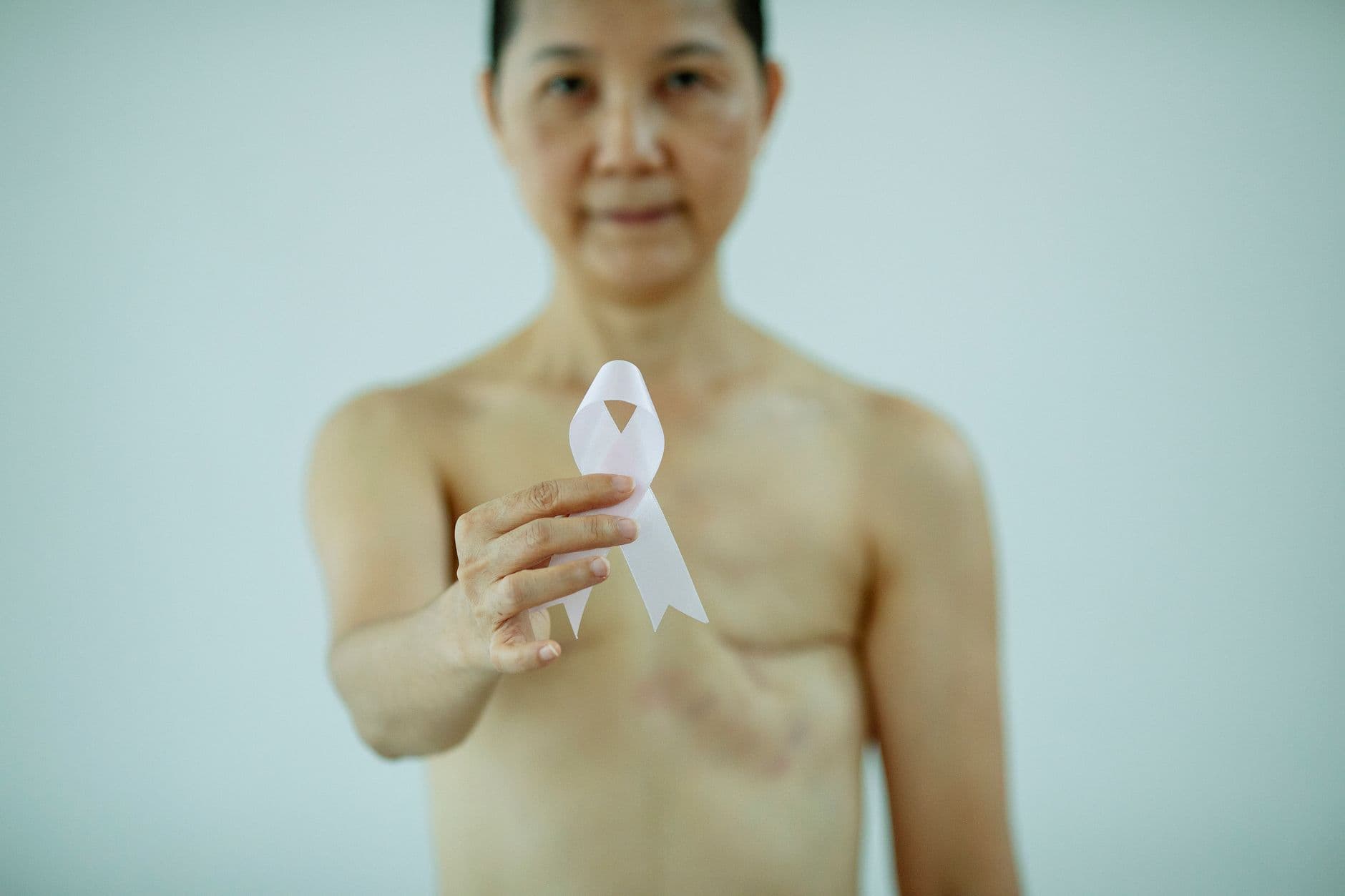
Since Thailand decriminalized abortion in 2021, the country has seen significant changes in reproductive healthcare access and outcomes. Current 2025 data shows that legal abortion services are increasingly accessible through government hospitals and RSA clinics, with most procedures performed safely within the first 12 weeks of pregnancy. This article examines the latest statistics, trends, and what they reveal about women's health in Thailand today.
What Is Abortion Statistics Thailand 2025 Data

Abortion statistics Thailand 2025 data refers to the comprehensive collection of information about legal abortion procedures performed in Thailand following the Criminal Code Amendment Act No. 28 B.E. 2564, which took effect in February 2021. These statistics track the number of procedures, gestational ages, methods used, patient demographics, and health outcomes across public and private healthcare facilities.
Since the law changed, the Department of Health and RSA Network have documented approximately 20,000-30,000 legal abortion procedures annually through registered facilities. The majority (over 85%) occur within the first 12 weeks of pregnancy, which requires no justification under current law. Between 12-20 weeks, procedures require mandatory counseling as specified in the 2022 Ministry of Public Health regulation, accounting for approximately 10-12% of cases.
The 2025 data reveals important demographic patterns: women in their twenties and early thirties represent the largest group seeking services, while teenagers make up a much smaller share. Notably, Thailand's overall birth rate has reached a 75-year low with only 416,574 births recorded in 2024, reflecting broader demographic shifts including delayed childbearing, economic pressures, and greater reproductive autonomy following legal reform.
Geographic access remains uneven. Bangkok and major urban centers report higher utilization rates of legal services, while rural provinces show lower numbers—though this may reflect incomplete data collection rather than actual demand. The RSA Network operates clinics in all regions, providing medication abortion (mifepristone and misoprostol) and surgical procedures through licensed physicians.
What to Expect: Step by Step

Understanding how abortion statistics are collected helps explain what happens when you access legal abortion services in Thailand. Every procedure performed through registered facilities contributes to national health data while protecting patient privacy.
Initial consultation: When you visit an RSA clinic or hospital, a healthcare provider will confirm your pregnancy through examination or ultrasound, determine gestational age, and discuss your options. For pregnancies up to and including 12 weeks, you can proceed immediately. Between 12-20 weeks, you'll receive mandatory counseling—which is informational, not intended to dissuade—before proceeding after a waiting period.
Procedure selection: Based on gestational age and health factors, your doctor will recommend either medication abortion (typically up to 10 weeks) or surgical abortion. Statistics show that medication abortion has become increasingly common, representing about 60% of early procedures due to its non-invasive nature and lower cost (typically 3,000-6,000 THB compared to 8,000-15,000 THB for surgical methods).
Documentation and follow-up: If you have Social Security or the Universal Healthcare card (gold card), costs are typically covered. Private payment is also available. Follow-up appointments ensure complete abortion and monitor for complications, contributing to safety outcome data that shows legal procedures in Thailand have complication rates below 2%.
The statistical tracking system helps healthcare authorities identify areas needing improved access, monitor safety outcomes, and allocate resources to underserved regions—ultimately improving care for all women seeking services.
Common Side Effects vs Warning Signs
While abortion statistics focus on population-level data, understanding individual experiences is crucial. The vast majority of legal abortions in Thailand are completed safely with predictable, manageable side effects.
Normal side effects after medication abortion include:
- Cramping and abdominal pain similar to menstrual cramps, typically lasting 1-2 days
- Bleeding heavier than a period, gradually decreasing over 1-2 weeks
- Passing blood clots up to lemon-sized
- Nausea, vomiting, or diarrhea for 24-48 hours
- Fatigue and mild fever (up to 38°C) for a few hours
Warning signs requiring immediate medical attention:
- Soaking through two or more thick pads per hour for two consecutive hours
- Fever above 38°C lasting more than 24 hours or any fever after 24 hours post-procedure
- Severe abdominal pain not relieved by medication
- Foul-smelling vaginal discharge
- Signs of ongoing pregnancy after two weeks
Thailand's post-2021 statistics show that serious complications requiring hospitalization occur in fewer than 0.5% of legal procedures performed by licensed providers. This safety record surpasses many other medical procedures and demonstrates the importance of accessing legal, medically supervised care. If you experience warning signs, contact your provider immediately or call 1669 for emergency assistance.
Self-Care After Abortion
Proper aftercare contributes to the positive health outcomes reflected in Thailand's abortion statistics. Most women recover fully within 1-2 weeks and can return to normal activities.
Physical recovery: Rest for at least 24 hours after your procedure. Avoid strenuous exercise for 3-5 days, but gentle walking is encouraged. Take prescribed pain medication (usually ibuprofen) as directed. Use pads rather than tampons for bleeding to reduce infection risk. Avoid sexual intercourse for 1-2 weeks or until bleeding stops completely.
Hygiene and monitoring: Shower normally but avoid baths, swimming pools, or hot tubs for one week. Monitor your bleeding and temperature daily. Light bleeding or spotting can continue for up to four weeks. Your period should return within 4-8 weeks, though you can ovulate and become pregnant within two weeks of the procedure.
Emotional wellbeing: While statistics show most women feel relief after abortion, emotional responses vary widely. Some experience sadness, grief, or hormonal mood changes. These feelings are normal and usually temporary. The Department of Health hotline (1663) provides post-abortion counselling in Thai. RSA Network clinics also offer follow-up emotional support.
Contraception planning: Discuss birth control options with your provider before leaving the clinic. You can start most methods immediately, including pills, injections, IUDs, or implants. This is crucial as Thailand's statistics show repeat procedures could be reduced through better contraceptive access and education.
Frequently Asked Questions
How many abortions are performed in Thailand each year?
Based on 2024-2025 data from registered facilities, approximately 20,000-30,000 legal abortions are documented annually through the RSA Network and government hospitals. However, experts believe the actual number may be higher as some women still access services through informal channels or private clinics that don't report to national databases. The increase in documented procedures since 2021 likely reflects better access to legal services rather than an increase in overall abortion rates.
What goes into the national abortion statistics?
Facilities report aggregate data to the Ministry of Public Health — procedure type, gestational age, and outcomes. We cannot confirm what identifying details each facility sends or keeps, so if this matters to you, ask the facility what it records and what it reports. Your medical record itself stays with the facility, and providers are not permitted to share it without your consent.
What age group uses abortion services most in Thailand?
Women in their twenties and early thirties make up the largest share of abortion patients in Thailand. Teenagers make up a much smaller share, and women over 35 a smaller share again. These statistics reflect broader reproductive patterns in Thailand, where women are increasingly delaying marriage and childbearing due to education and career priorities. People aged 15 and over may access abortion services on their own; those under 15 need consent from a parent or guardian.
How do Thailand's abortion statistics compare to before the law changed?
Before 2021, reliable abortion statistics were impossible to collect because most procedures were illegal and performed underground. Public health researchers estimated 200,000-300,000 unsafe abortions occurred annually, resulting in significant maternal deaths and complications. Since legalization, documented procedures average 20,000-30,000 annually through legal channels with complication rates below 2%. This demonstrates that legalization hasn't increased abortion rates but has made existing procedures safer and better documented.
What percentage of abortions are covered by Social Security or Universal Healthcare?
Approximately 40-45% of legal abortions in Thailand are covered through Social Security (for employed workers) or the Universal Healthcare Scheme (gold card) for qualifying medical reasons. This includes cases where pregnancy poses health risks, results from sexual assault, or occurs in adolescents under 18. For abortions performed purely by personal choice, coverage varies by region and facility. Private costs range from 3,000-15,000 THB depending on method and gestational age, making legal abortion accessible to most Thai women regardless of insurance status.
Where can I find updated abortion statistics for Thailand?
The Ministry of Public Health Department of Health releases annual reproductive health statistics that include abortion data. The RSA Network (rsathai.org) publishes regular reports on services provided through their clinics nationwide. For the most current information and to access services yourself, contact the Department of Health hotline at 1663, which provides free information about abortion access, statistics, and referrals to registered providers in your area.
References
- Criminal Code Amendment Act No. 28 B.E. 2564 (2021)
- Ministry of Public Health Notification on Counseling Services B.E. 2565 (2022)
- RSA Network, Department of Health — rsathai.org
- Department of Health Hotline 1663