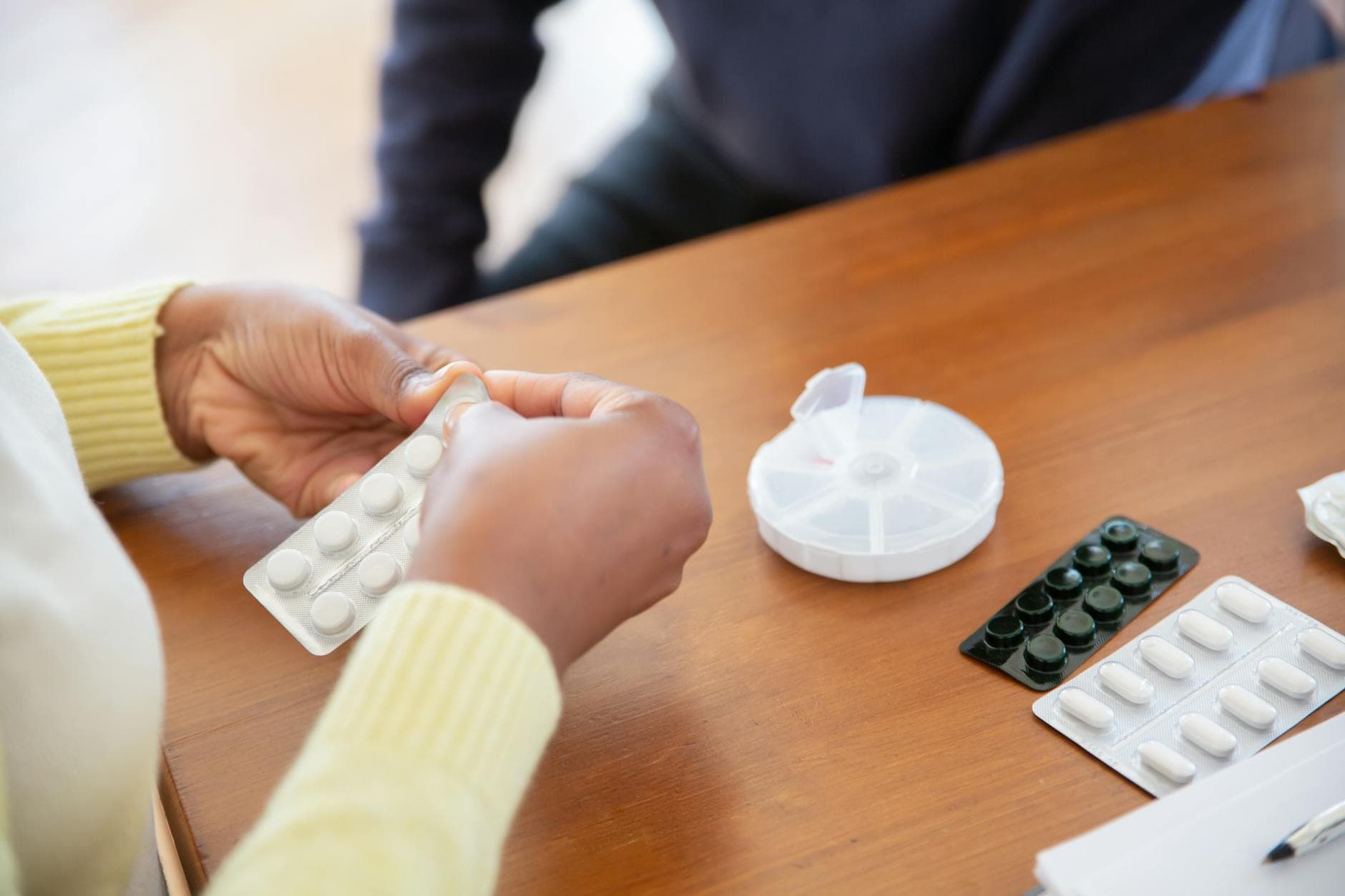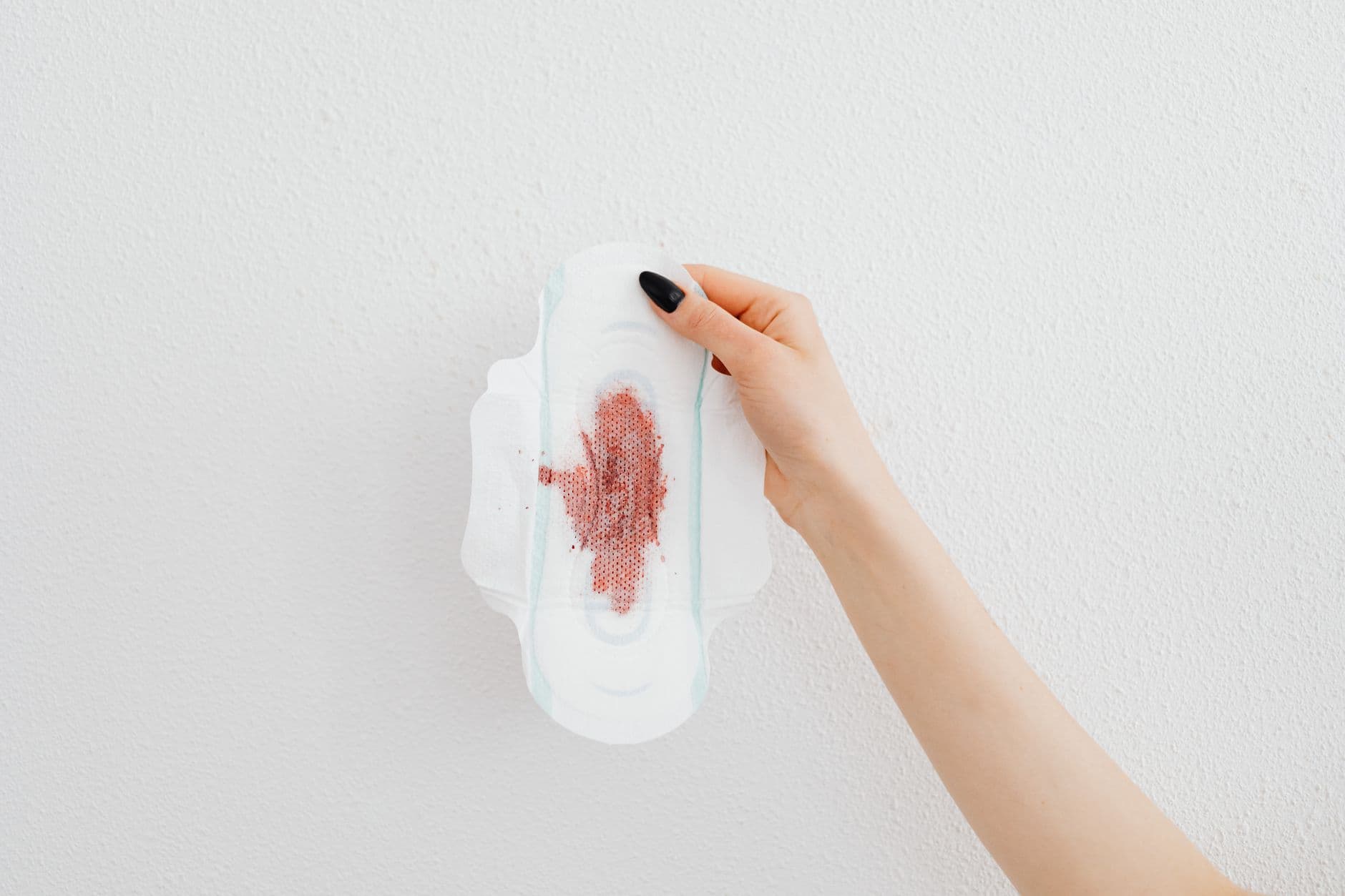
Irregular periods after abortion are common and usually temporary. In most cases, menstruation returns within 4-8 weeks, though the first few cycles may be lighter, heavier, or occur at different intervals than before pregnancy. This happens because your body needs time to readjust hormone levels after the pregnancy ends. While variations are normal, certain symptoms require medical attention to ensure proper recovery.
What Is Irregular Period After Abortion Causes Thailand
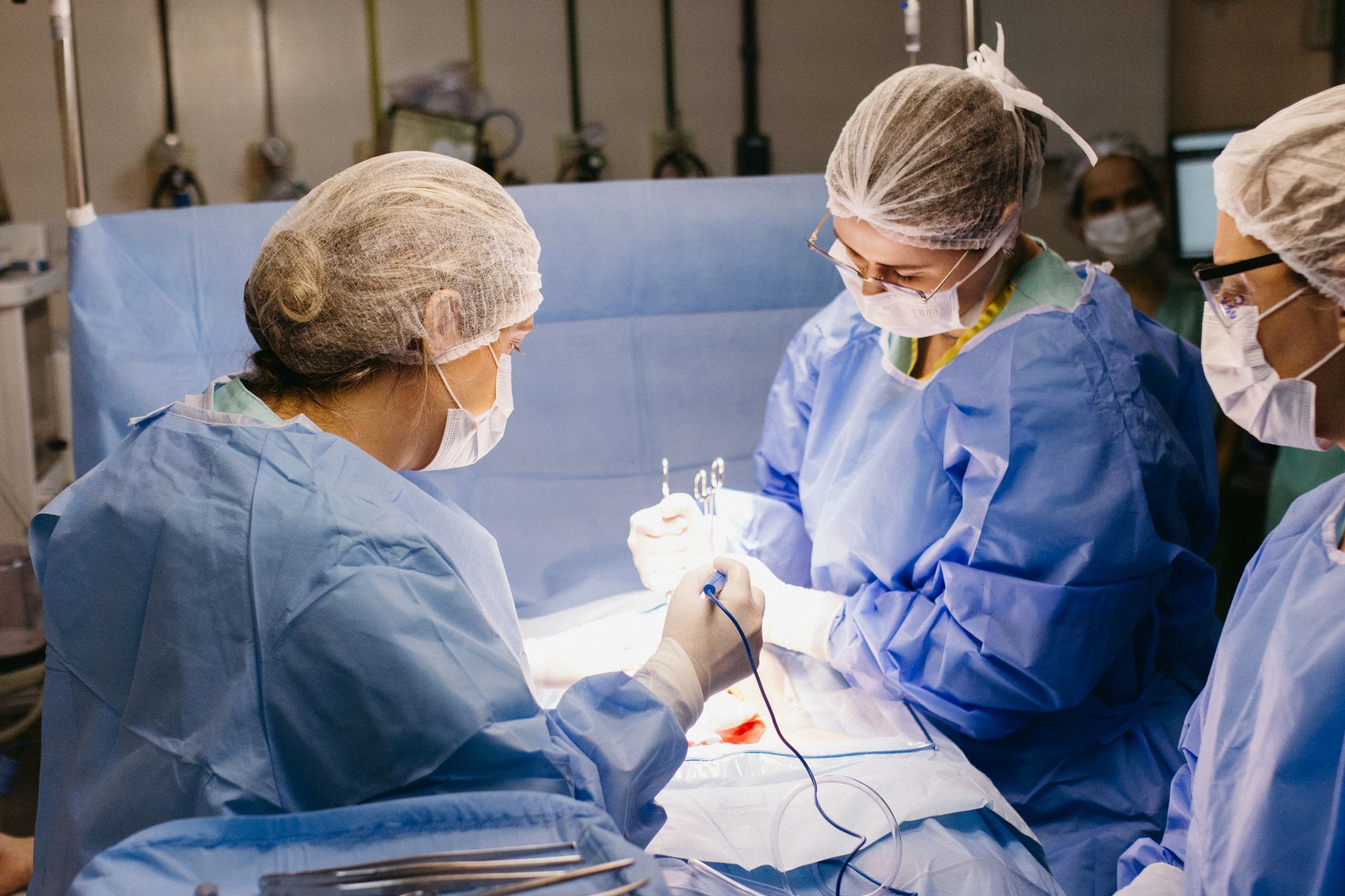
Irregular periods after abortion refer to menstrual cycles that differ from your pre-pregnancy pattern during the first few months following the procedure. This is a natural part of your body's recovery process as hormone levels stabilize.
The main cause of irregular periods after abortion is hormonal adjustment. During pregnancy, your body produces high levels of progesterone and estrogen. After abortion, these hormones must decrease and rebalance to restart your normal menstrual cycle. This transition doesn't happen instantly—it typically takes 4-8 weeks for your first period to arrive, and another 2-3 cycles before regularity returns.
Common variations you might experience include:
- First period arriving earlier or later than expected (anywhere from 3-8 weeks post-abortion)
- Menstrual flow that's heavier or lighter than your usual pattern
- Cycle length that's shorter or longer than before pregnancy
- Spotting or light bleeding between periods during the first 1-2 months
- Mild cramping that feels different from your typical period pain
Several factors influence how quickly your cycle normalizes. Medical abortion (using mifepristone and misoprostol) and surgical abortion affect hormone levels differently. The gestational age at the time of abortion matters—later procedures may require longer recovery time. Emotional and physical stress can delay menstruation, as can your pre-pregnancy cycle characteristics. If you had irregular periods before pregnancy, they may continue afterward.
What to Expect: Step by Step
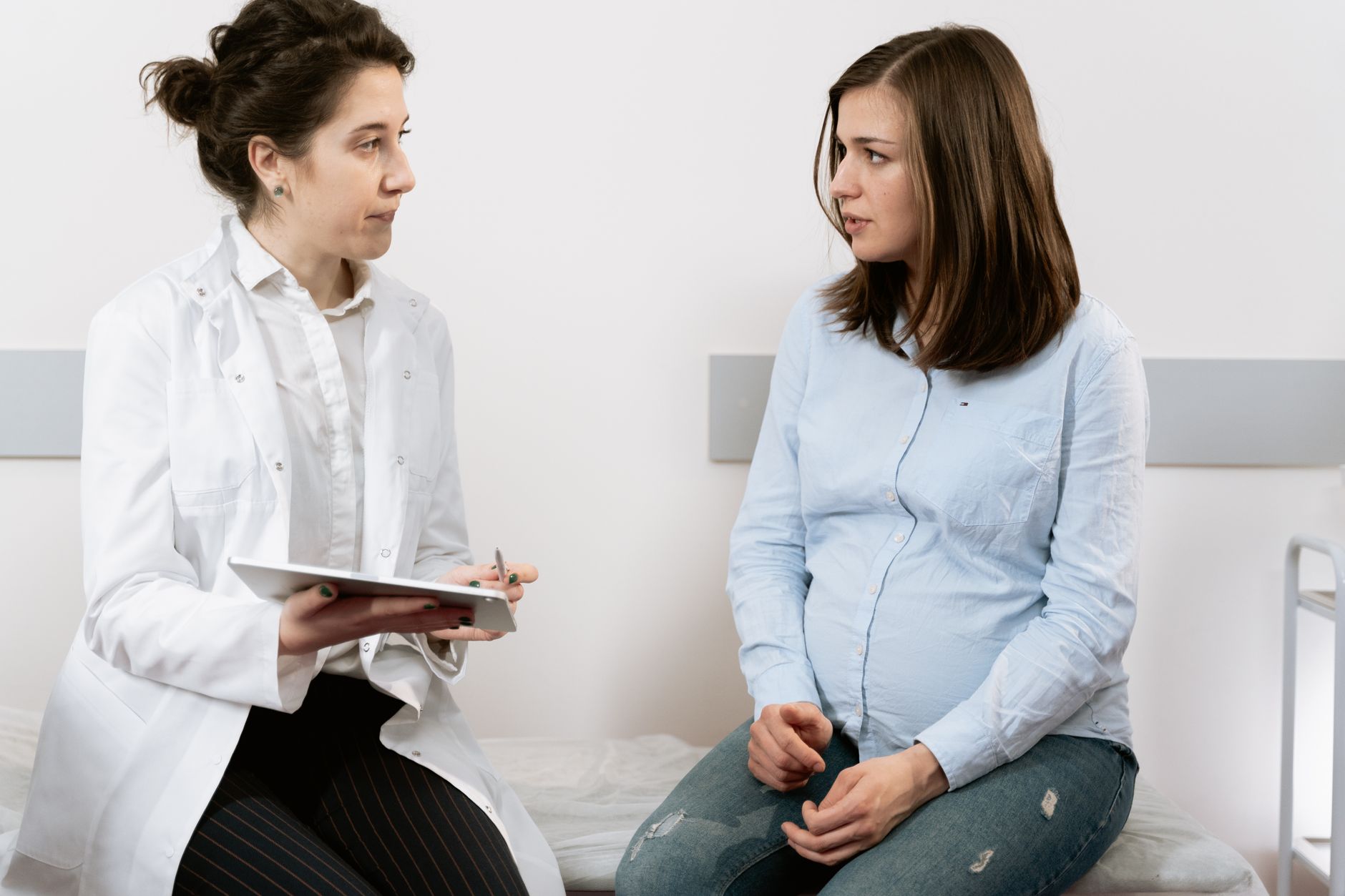
Week 1-2 After Abortion: You'll experience post-abortion bleeding, which is different from menstruation. This typically lasts 1-2 weeks and gradually decreases. The bleeding may stop and start, and you might pass small clots. Mild cramping is normal during this period.
Week 3-4: Post-abortion bleeding should have stopped completely. You may experience spotting or feel completely normal. Your body is working to stabilize hormone levels, though you won't notice this process. Some women experience breast tenderness or mild mood changes as hormones adjust.
Week 4-8: Your first true period typically arrives during this window. It may come earlier or later than your pre-pregnancy cycle schedule. The flow might be heavier or lighter than usual, and the duration may vary. Cramping could be more or less intense than your normal periods.
Month 2-3: Your second and third periods should become more regular, though they may not yet match your pre-pregnancy pattern exactly. By the third cycle, most women return to their baseline menstrual characteristics. If you're using contraception, this may also influence your cycle pattern.
Remember that ovulation can occur as early as 2 weeks after abortion, even before your first period arrives. If you're sexually active and don't want to become pregnant, use contraception immediately. Your healthcare provider can discuss options during your follow-up visit.
Common Side Effects vs Warning Signs
Understanding what's normal versus what requires medical attention helps you monitor your recovery safely.
Normal recovery symptoms include:
- First period heavier than usual with more clotting (as long as you're not soaking through more than one pad per hour)
- Mild to moderate cramping that responds to over-the-counter pain medication
- Cycle arriving 3-8 weeks after abortion
- Period lasting 3-7 days, possibly longer than your typical duration
- Light spotting between the first few periods
- Breast tenderness in the weeks following abortion
Warning signs requiring immediate medical attention:
- No period within 8 weeks of abortion (pregnancy test recommended to rule out continuing pregnancy)
- Soaking through two or more pads per hour for 2+ consecutive hours
- Fever above 38°C (100.4°F) that doesn't improve with paracetamol
- Severe abdominal pain that worsens or doesn't respond to pain medication
- Foul-smelling vaginal discharge
- Passing clots larger than a lemon
- Feeling faint, dizzy, or experiencing rapid heartbeat
These symptoms could indicate complications such as incomplete abortion (retained tissue), infection, or other issues requiring treatment. In Thailand, you can visit any hospital emergency department or call 1669 for emergency medical services. For non-urgent concerns, contact the facility where you had your abortion or call the Department of Health hotline at 1663 for guidance.
Self-Care After Abortion
Supporting your body's recovery can help your menstrual cycle return to normal more smoothly.
Physical care: Rest adequately in the first week, though you can resume normal activities as you feel able. Avoid strenuous exercise for 1-2 weeks. Eat nutritious meals rich in iron (leafy greens, lean meat, beans) to replenish blood loss. Stay hydrated by drinking plenty of water. Take iron supplements if recommended by your doctor, especially if you experience heavy bleeding.
Hygiene practices: Use sanitary pads rather than tampons or menstrual cups for the first period after abortion to reduce infection risk and monitor bleeding more accurately. Avoid vaginal douching, which can introduce bacteria. You can shower and bathe normally. Wait until post-abortion bleeding stops completely before resuming sexual activity (typically 1-2 weeks), or follow your doctor's specific advice.
Emotional well-being: Hormonal changes can affect mood during recovery. This is normal and usually temporary. Give yourself permission to rest and process your feelings without judgment. Reach out to trusted friends, family, or professional counselors if you need support. The 1663 hotline provides free counseling services in Thai.
Tracking your cycle: Note when bleeding starts and stops, flow intensity, and any symptoms. This information helps you recognize your new pattern and provides useful details if you need to consult a doctor. Many women find period-tracking apps helpful for this purpose.
Contraception planning: Discuss your contraceptive options with your healthcare provider, as you can become pregnant again before your first period. Hormonal methods (pills, injections, implants) can be started immediately after abortion and may help regulate your cycle. Barrier methods (condoms) can be used as soon as you resume sexual activity.
Frequently Asked Questions
How long after abortion will my period return in Thailand?
Most women in Thailand experience their first period 4-8 weeks after abortion, regardless of whether they had medical or surgical abortion. However, this timeline can vary from 3-10 weeks depending on individual factors. If your period hasn't arrived within 8 weeks, take a pregnancy test and consult your healthcare provider to rule out continuing pregnancy or other complications. Remember that ovulation can occur before your first period, so use contraception if you're sexually active.
Is it normal for my first period after abortion to be very heavy?
Yes, a heavier first period is common after abortion. Your uterine lining may be thicker than usual, resulting in more bleeding. However, soaking through two or more pads per hour for two consecutive hours is considered excessive and requires medical attention. Moderate heaviness with increased clotting is normal, but if you feel dizzy, weak, or concerned about the amount of bleeding, contact your healthcare provider or visit a hospital emergency department.
Can stress affect when my period returns after abortion?
Yes, emotional and physical stress can delay menstruation after abortion. Stress affects the hypothalamus, the part of your brain that regulates hormones controlling your menstrual cycle. If you're experiencing significant stress, anxiety, or emotional difficulty after your abortion, your period may take longer to return to its regular pattern. Managing stress through rest, adequate nutrition, gentle exercise, and emotional support can help your cycle normalize more quickly.
Why is my cycle shorter or longer than before pregnancy?
Your menstrual cycle length may change temporarily after abortion as your body readjusts to non-pregnant hormone levels. If your pre-pregnancy cycle was 28 days, it might be 24 or 32 days for the first few months after abortion. This variation is normal and usually resolves within 2-3 cycles. Your body is essentially "rebooting" its reproductive system. If irregular cycle length continues beyond three months, or if you're concerned, consult your healthcare provider to rule out other factors like hormonal imbalances or thyroid issues.
Do I need a follow-up appointment if my period seems normal?
Yes, even if your period returns normally, attending your scheduled follow-up appointment is important. Thai healthcare providers typically recommend a check-up 1-2 weeks after abortion to confirm the procedure was complete and your recovery is progressing well. This appointment allows your doctor to examine you, discuss contraception options, address any concerns, and ensure there are no complications like retained tissue or infection. If you had your abortion at a government hospital under Thailand's universal healthcare system, this follow-up is included in your coverage.
When can I use tampons or menstrual cups after abortion?
Healthcare providers in Thailand generally recommend waiting until after your first complete period before using tampons or menstrual cups. For the first menstrual period following abortion, use sanitary pads to reduce infection risk and allow you to monitor bleeding accurately. Once your first period ends completely and you've confirmed normal recovery, you can resume using tampons or cups if these were your preferred methods before pregnancy. Always ensure your hands and any menstrual products are clean to minimize infection risk.
Does the type of abortion affect how quickly my period returns?
Both medical abortion (using mifepristone and misoprostol) and surgical abortion typically result in periods returning within 4-8 weeks, but there can be slight differences. Medical abortion may result in longer initial bleeding that can be confused with menstruation, whereas surgical abortion usually has a clearer distinction between post-procedure bleeding and the first true period. The gestational age at the time of abortion has more impact than the method—earlier procedures generally allow for quicker cycle recovery. Your healthcare provider can explain what to expect based on your specific situation.
References
- Criminal Code Amendment Act No. 28 B.E. 2564 (2021)
- Ministry of Public Health Notification on Counseling Services B.E. 2565 (2022)
- RSA Network, Department of Health — rsathai.org
- Department of Health Hotline 1663