Preventing infection after abortion is essential for your health and recovery. In Thailand, legal abortion services performed by licensed doctors include infection prevention measures and clear aftercare instructions. Recognizing early warning signs and following medical guidance can help you avoid serious complications and ensure a safe recovery.
What Is Abortion Infection Prevention Signs Thailand
Abortion infection prevention in Thailand refers to the medical protocols and patient care practices used to minimize the risk of bacterial infection after a termination procedure. When performed by licensed doctors in registered facilities, abortion in Thailand is safe — infections occur in less than 1% of cases when proper medical standards are followed.
Infection can develop when bacteria enter the uterus during or after the procedure, or when tissue remains in the uterus. Thai healthcare providers follow strict sterilization protocols and typically prescribe prophylactic antibiotics to reduce this risk. Understanding the warning signs of infection helps you know when normal recovery has turned into something requiring medical attention.
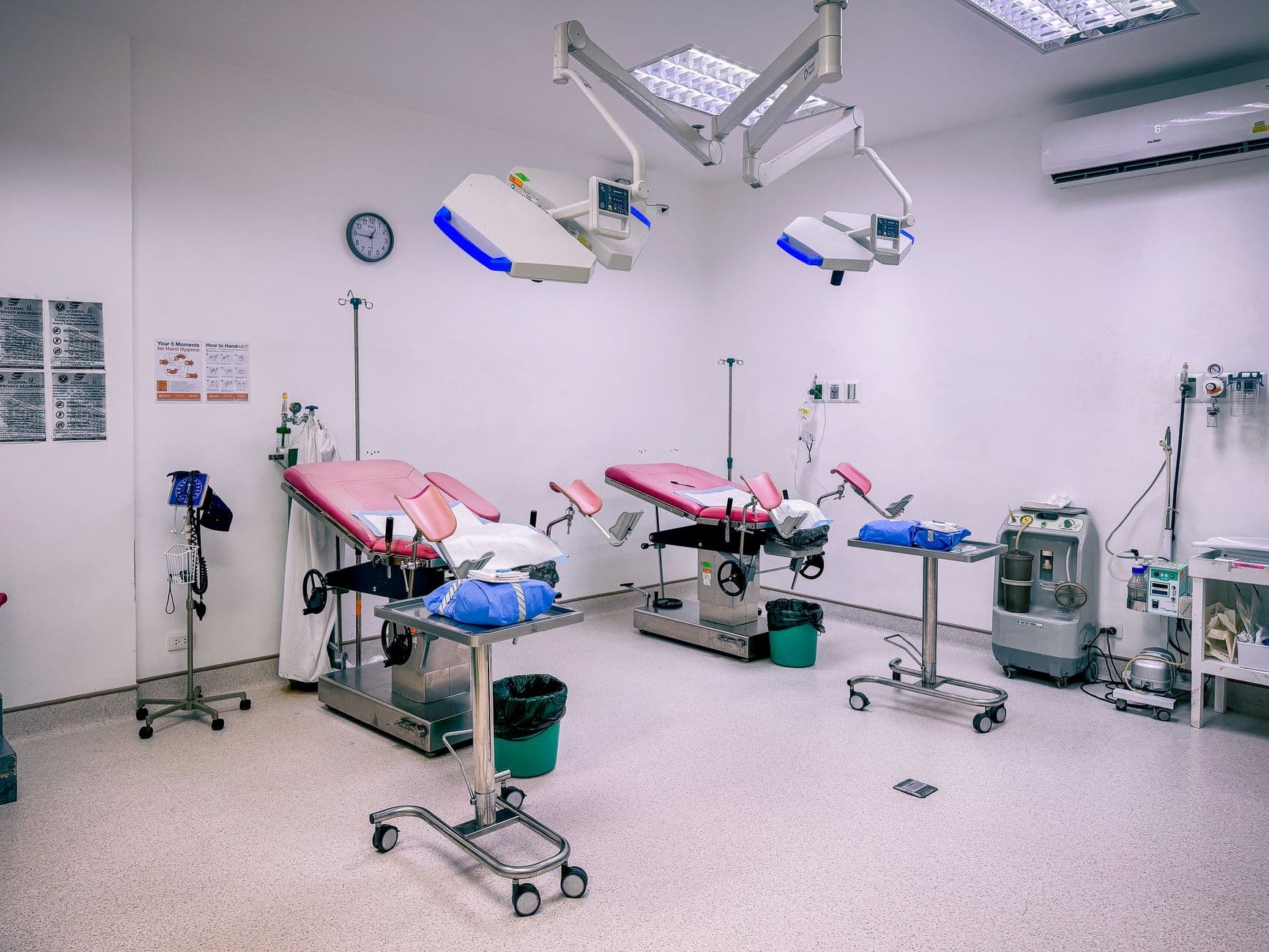
Legal abortion services in Thailand (available on request up to 12 weeks, with counseling from 12-20 weeks) include pre-procedure screening, sterile techniques, and comprehensive aftercare instructions specifically designed to prevent infection. Facilities in the RSA network follow Ministry of Public Health guidelines that prioritize patient safety and infection control.
What to Expect: Step by Step

Understanding the normal recovery process helps you distinguish between expected symptoms and signs of infection. Here's what typically happens after a medical or surgical abortion in Thailand:
First 24-48 hours: Bleeding similar to a heavy period is normal, along with cramping that can be managed with ibuprofen. You may pass small clots and experience fatigue. Mild temperature elevation (below 38°C) is common as your body responds to the procedure.
Days 3-7: Bleeding should gradually decrease, becoming lighter than a normal period. Cramping becomes less intense. Many women feel physically better but may experience emotional fluctuations. Light brown or pink discharge is normal as the uterus continues healing.
Weeks 2-4: Spotting may continue intermittently until your next period, which typically arrives within 4-6 weeks. Your energy levels return to normal. A follow-up appointment (usually scheduled 1-2 weeks after the procedure) confirms the abortion is complete and the uterus is healing properly.
Your doctor will provide specific instructions based on the method used and your gestational age. Always attend your follow-up appointment even if you feel fine — this visit is essential for confirming there are no complications.
Common Side Effects vs Warning Signs
Knowing the difference between normal recovery symptoms and infection warning signs can be life-saving. Here's how to tell them apart:
Normal side effects:
- Bleeding that's heavy for 1-2 days then gradually decreases
- Cramping that improves with pain medication
- Mild temperature (below 38°C) in the first 24 hours
- Fatigue and emotional sensitivity
- Tender breasts as hormones adjust
Warning signs requiring immediate medical attention:
- Fever above 38°C lasting more than 24 hours or fever that starts several days after the procedure
- Very heavy bleeding — soaking through two thick pads per hour for two consecutive hours
- Foul-smelling vaginal discharge (particularly if yellow or green)
- Severe abdominal pain that doesn't improve with medication
- Chills, body aches, or flu-like symptoms developing days after the procedure
- Increasing pain or tenderness in the lower abdomen
If you experience any warning signs, contact your healthcare provider immediately or call 1669 for emergency assistance. Don't wait to see if symptoms improve — early treatment of infection is crucial and typically involves antibiotics or, in rare cases, a brief procedure to remove retained tissue.
Self-Care After Abortion
Following proper self-care guidelines significantly reduces your infection risk and supports healthy recovery:
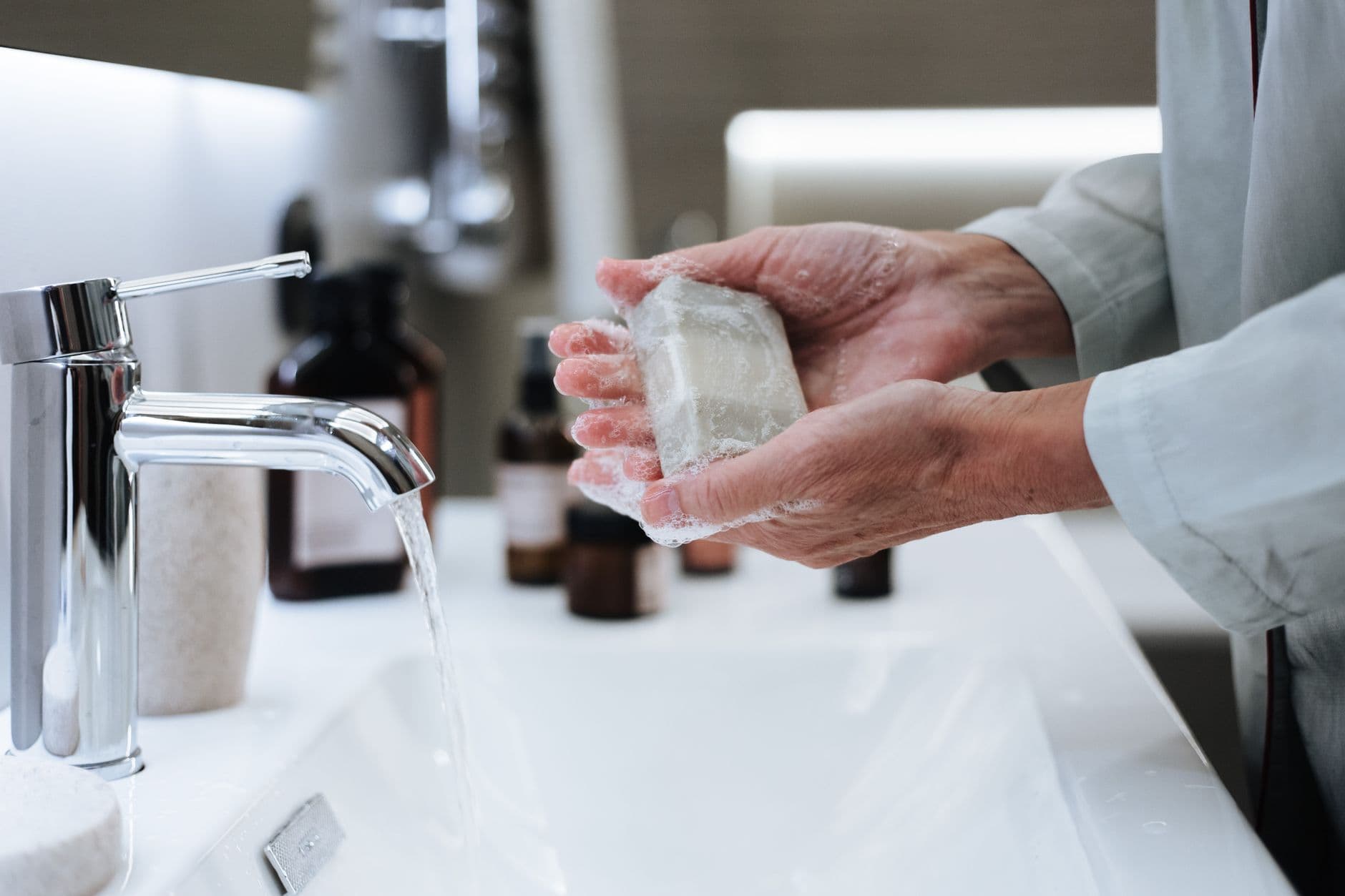
Hygiene practices: Change sanitary pads every 4-6 hours, even if bleeding is light. Use pads only — never tampons or menstrual cups for at least two weeks, as these can introduce bacteria. Wash your hands before and after changing pads. Shower normally but avoid baths, swimming pools, or hot tubs for two weeks.
Medication: Take all prescribed antibiotics exactly as directed, even if you feel fine. Complete the full course — stopping early increases infection risk. Use pain medication as recommended by your doctor. Avoid aspirin, which can increase bleeding.
Activity restrictions: Rest for at least 24-48 hours. Avoid strenuous exercise for one week. No sexual intercourse for at least two weeks or until your follow-up appointment confirms healing is complete. This waiting period allows the cervix to close and prevents bacteria from entering the uterus.
Monitoring: Check your temperature daily for the first three days. Track your bleeding pattern — take note if it suddenly becomes heavier or develops an odor. Pay attention to your body and trust your instincts if something feels wrong.
Frequently Asked Questions
How common is infection after legal abortion in Thailand?
When abortion is performed by a licensed doctor in a registered facility following Ministry of Public Health guidelines, infection rates are very low — typically less than 1%. The risk is higher with unsafe methods outside medical supervision, which is why choosing a legal provider is essential. Facilities in the RSA network follow strict sterilization protocols and infection prevention measures to ensure patient safety.
What temperature is considered a fever after abortion?
A temperature above 38°C (100.4°F) that lasts more than 24 hours is concerning and should be reported to your doctor. Some women experience a mild temperature elevation in the first 24 hours as the body responds to the procedure, but this should resolve quickly. If fever develops several days after your abortion or is accompanied by chills, severe pain, or foul-smelling discharge, seek medical attention immediately as these are signs of possible infection.
Can I prevent infection by taking antibiotics before symptoms appear?
Many doctors in Thailand prescribe prophylactic antibiotics as part of the abortion procedure to prevent infection before it starts. If you're prescribed antibiotics, take them exactly as directed — this is prevention, not treatment. However, antibiotics alone aren't enough. You must also follow hygiene guidelines, avoid inserting anything into the vagina for two weeks, and attend your follow-up appointment to ensure complete healing.
When should I go to the emergency room versus calling my doctor?
Call your doctor first if you have concerns about possible infection — fever, unusual discharge, or worsening pain. They can assess whether you need immediate care or can be seen in the clinic. Go directly to the emergency room if you have very heavy bleeding (soaking two pads per hour for two hours), severe abdominal pain with high fever, or signs of shock such as dizziness, fainting, or rapid heartbeat. You can also call 1663 for guidance on where to seek appropriate care.
What happens if I do develop an infection after abortion?
Most post-abortion infections are treated successfully with antibiotics, especially when caught early. Your doctor will examine you to determine the cause and severity. If retained tissue is suspected, an ultrasound may be performed. Treatment usually involves a course of stronger antibiotics, and sometimes a brief procedure to remove any remaining tissue. With prompt treatment, complete recovery is expected and your fertility is not affected. This is why attending your follow-up appointment and reporting warning signs quickly is so important.
Is it safe to use traditional remedies or herbs after abortion in Thailand?
Stick to the medical guidance provided by your doctor and avoid traditional remedies, herbs, or unproven treatments during your recovery period. Some herbal preparations can interfere with healing, increase bleeding, or interact with prescribed medications. While traditional medicine has value in many contexts, post-abortion care requires evidence-based medical protocols to prevent complications. If you're interested in complementary approaches, discuss them with your doctor first to ensure they won't compromise your recovery.
How long does it take for the cervix to close after abortion?
The cervix typically begins closing immediately after the procedure and is usually fully closed within two weeks. This is why you must avoid inserting anything into the vagina — including tampons, menstrual cups, or having sexual intercourse — for at least two weeks. An open cervix provides a pathway for bacteria to enter the uterus, significantly increasing infection risk. Your follow-up appointment confirms that healing is progressing normally and it's safe to resume normal activities.
References
- Criminal Code Amendment Act No. 28 B.E. 2564 (2021)
- Ministry of Public Health Notification on Counseling Services B.E. 2565 (2022)
- RSA Network, Department of Health — rsathai.org
- Department of Health Hotline 1663