
In Thailand, medical abortion using pills costs between 3,000–8,000 THB at registered clinics, while surgical procedures like D&C or MVA range from 5,000–15,000 THB depending on gestational age and facility type. Public hospitals generally charge less than private clinics, and some costs may be covered under the Universal Coverage Scheme or social security for eligible patients. Both methods are legal when performed by licensed doctors within the regulatory framework.
How Much Does Abortion Cost in Thailand

The cost of abortion in Thailand varies significantly based on the method chosen and where you receive care. Medical abortion, which uses a combination of Mifepristone and Misoprostol tablets, typically costs between 3,000–8,000 THB at accredited facilities. This method is available for pregnancies up to 10 weeks and involves taking medication under medical supervision rather than undergoing a procedure.
Surgical abortion methods include vacuum aspiration (MVA) and dilation and curettage (D&C). These procedures generally cost between 5,000–15,000 THB at private clinics and hospitals. The price depends on gestational age, type of anesthesia used, and whether you choose a public or private facility. Public hospitals registered with the RSA network often charge at the lower end of this range, while premium private hospitals may charge more for additional services like private rooms or extended counseling.
It's important to note that the Ministry of Public Health may subsidize up to 3,000 THB of abortion-related costs through registered public facilities for eligible patients. Always verify current pricing directly with your chosen facility, as costs can vary based on individual medical circumstances and required follow-up care.
Factors That Affect the Price
Several key factors determine the final cost of abortion services in Thailand. Gestational age is the most significant variable—earlier pregnancies (under 7 weeks) are generally less expensive because medical abortion pills can be used effectively, while later pregnancies may require surgical intervention with higher associated costs.
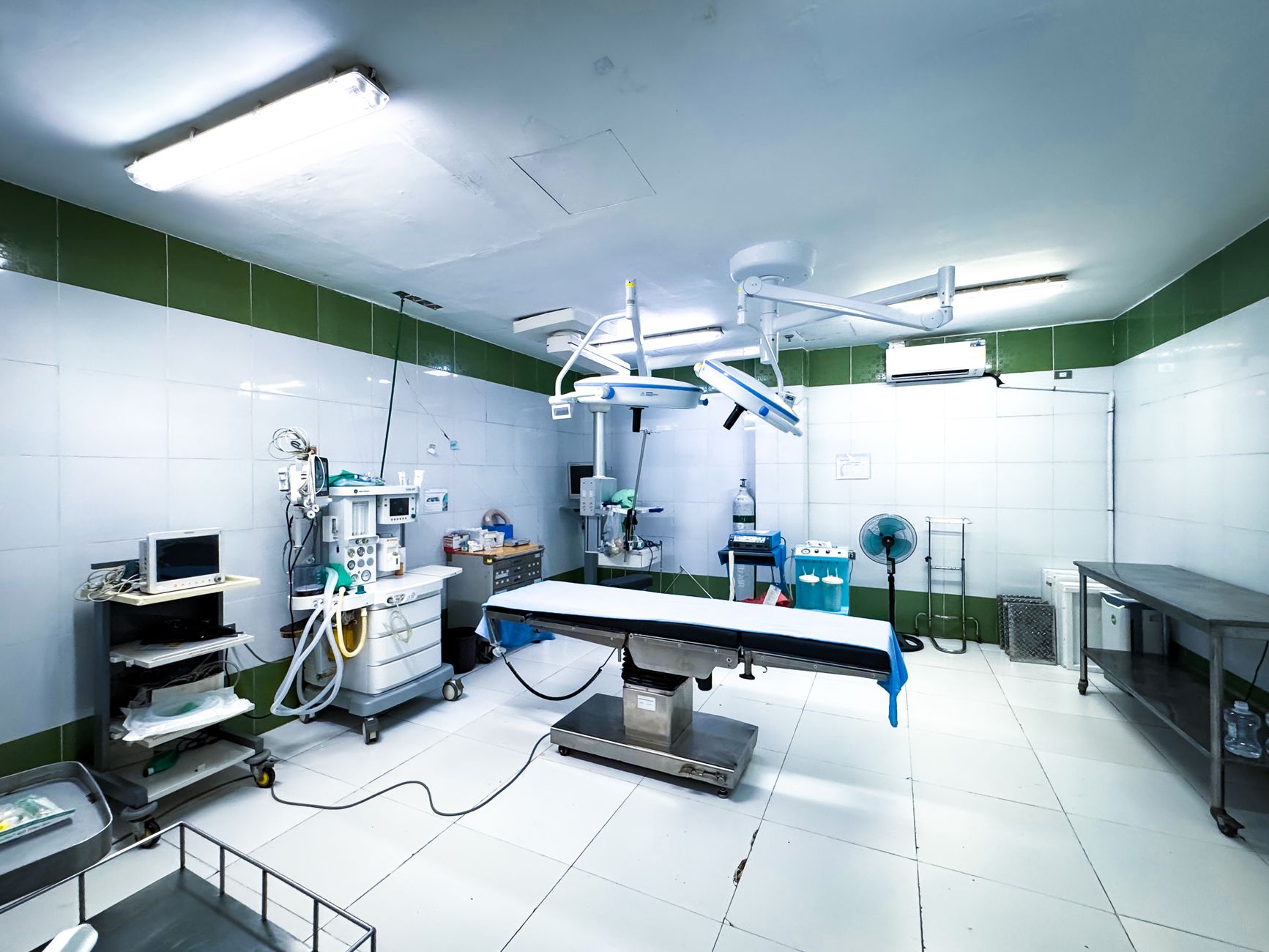
The type of facility you choose dramatically impacts pricing. Government hospitals and clinics in the RSA network typically offer the most affordable options, sometimes charging only for medication costs if you qualify for government subsidies. Private hospitals and specialized clinics charge more but may offer greater privacy, shorter waiting times, and more comfortable facilities. Location also matters—facilities in Bangkok and major cities tend to charge more than those in smaller provinces.
Additional factors include the type of anesthesia required (local versus general), pre-procedure testing such as ultrasound confirmation, post-procedure medications for pain management and infection prevention, and the number of follow-up visits needed. Complications, though rare when performed by qualified doctors, can increase costs significantly. Patients with existing health conditions may require additional medical clearance or monitoring, which adds to the overall expense.
Using Health Insurance and Social Security
Thailand's Universal Coverage Scheme (the "30 baht" or "Gold Card" system) covers abortion services when performed at registered public hospitals within the legal framework. This means eligible Thai nationals can access abortion care at minimal or no cost if they meet the legal requirements and receive services at their registered facility. However, coverage is typically limited to the standard service package and may not include upgrades like private rooms or expedited scheduling.
Social Security Fund beneficiaries can also access covered abortion services through contracted hospitals. You must visit a facility within your social security network and follow the proper referral procedures. The Social Security Office covers medically necessary abortions, including cases where pregnancy poses health risks. Private health insurance policies vary widely—some explicitly exclude abortion coverage except in medical emergencies, while others may cover it under specific conditions.
It's crucial to verify coverage details before proceeding. Contact your insurance provider or social security office directly, as policies and interpretations can differ. For the DoH counseling hotline (1663), staff can guide you on navigating insurance and subsidy options. Keep all medical documentation, as you may need to submit claims or prove medical necessity for insurance purposes.
Public Hospitals vs Private Clinics
Public hospitals in Thailand's RSA network offer the most affordable abortion services, typically ranging from 3,000–8,000 THB for the complete service including counseling, procedure, and follow-up. These facilities follow standardized protocols set by the Ministry of Public Health and are staffed by qualified medical professionals. However, public hospitals may have longer waiting times, less privacy in shared facilities, and limited appointment flexibility. The mandatory counseling requirement for pregnancies between 12–20 weeks is always provided, but scheduling may take several days.
Private clinics and hospitals offer more personalized care, greater privacy, and typically shorter waiting periods for appointments. Costs range from 5,000–15,000 THB or higher, depending on the facility's reputation and location. Private facilities often provide more comfortable settings, one-on-one consultations, and flexible scheduling including weekend availability. Some international hospitals in Bangkok cater specifically to expatriates with multilingual staff and familiar Western medical protocols, though these typically charge premium rates.
The quality of medical care is generally comparable between public and private sectors when you choose licensed, registered facilities. The main differences lie in amenities, privacy, and convenience rather than medical outcomes. Your choice should depend on your budget, urgency, privacy needs, and insurance coverage. Regardless of where you go, ensure the facility is registered with the Department of Health and staffed by licensed physicians authorized to perform abortion services.
Frequently Asked Questions
Which is cheaper: abortion pills or surgery in Thailand?
Medical abortion using pills is generally less expensive than surgical procedures, typically costing 3,000–8,000 THB compared to 5,000–15,000 THB for surgical methods. However, pills are only effective up to about 10 weeks of pregnancy, so your gestational age may limit your options. Public hospitals in the RSA network often offer the lowest prices for both methods, while private clinics charge more for enhanced privacy and convenience.
Can I get free abortion services in Thailand?
Thai nationals with Universal Coverage (Gold Card) or Social Security may access abortion services at minimal or no cost through registered public hospitals. The government may subsidize up to 3,000 THB of costs for eligible patients. However, you must meet legal requirements (gestational age limits and mandatory counseling where applicable) and receive care at your registered facility. Non-residents and expatriates typically need to pay out-of-pocket unless they have private insurance that covers the procedure.
Does the price include follow-up appointments?
Most comprehensive abortion service packages include at least one follow-up visit to confirm the procedure was successful and check for complications. However, pricing varies by facility, so always clarify what's included before proceeding. Medical abortion typically requires a follow-up ultrasound 1–2 weeks after taking the pills to ensure complete expulsion. Additional visits beyond the standard follow-up may incur extra charges, especially if complications arise requiring extended care.
Why is surgical abortion more expensive than medication?
Surgical procedures require more resources including operating room use, medical equipment sterilization, trained surgical staff, and often anesthesia services. The procedure itself is more complex and time-intensive than prescribing medication. Additional costs include pre-operative testing, sterile instruments, and immediate medical monitoring during and after the procedure. Anesthesia type also affects cost—general anesthesia is more expensive than local anesthetic or conscious sedation.
Are there hidden costs I should know about?
Always ask for a complete price breakdown before proceeding. Potential additional costs include initial consultation fees, ultrasound scans to confirm gestational age, laboratory tests (blood type, infections), pain medication and antibiotics for home use, and additional follow-up visits if complications occur. Some facilities charge separately for counseling sessions required by law for pregnancies between 12–20 weeks. Private hospitals may add facility fees or charges for upgraded amenities that aren't disclosed in the base procedure price.
Can I pay in installments for abortion services?
Payment policies vary by facility. Most public hospitals require payment at the time of service, though costs are generally affordable. Some private clinics may offer payment plans for more expensive procedures, but this is not common practice in Thailand. Medical tourism facilitators sometimes arrange financing, but be cautious of high-interest arrangements. If cost is a barrier, seek care at a public hospital in the RSA network where subsidies and insurance coverage can significantly reduce out-of-pocket expenses.
Does insurance cover both medical and surgical abortion?
Coverage depends entirely on your specific insurance policy. Thailand's Universal Coverage and Social Security systems typically cover both methods when medically necessary and performed at registered facilities. Private insurance policies vary widely—some exclude abortion except for medical emergencies, while others cover it under reproductive health services. International health insurance plans often exclude abortion coverage entirely or limit it to specific circumstances. Always verify coverage directly with your insurance provider before scheduling any procedure to avoid unexpected costs.
References
- Criminal Code Amendment Act No. 28 B.E. 2564 (2021)
- Ministry of Public Health Notification on Counseling Services B.E. 2565 (2022)
- RSA Network, Department of Health — rsathai.org
- Department of Health Hotline 1663