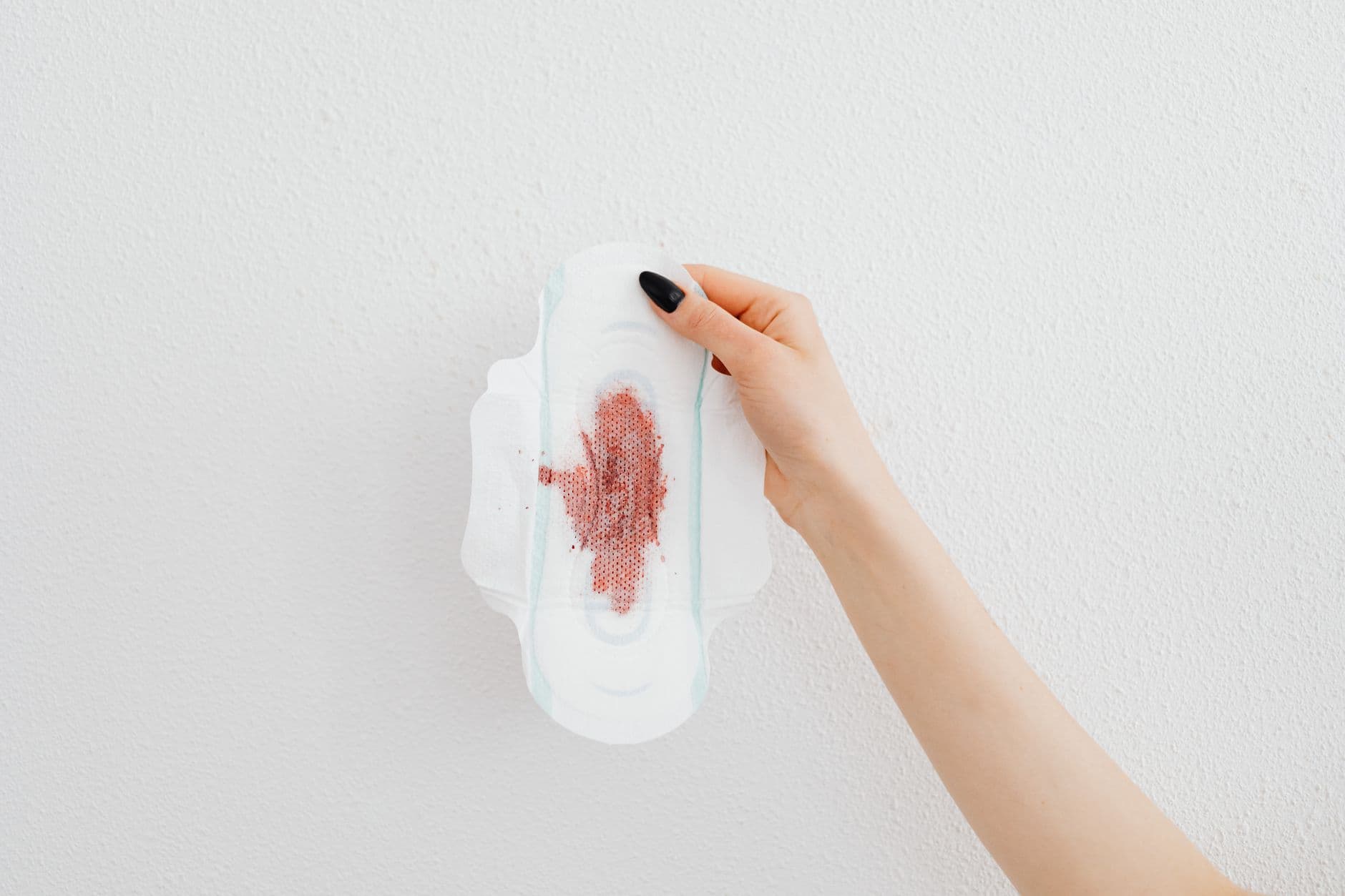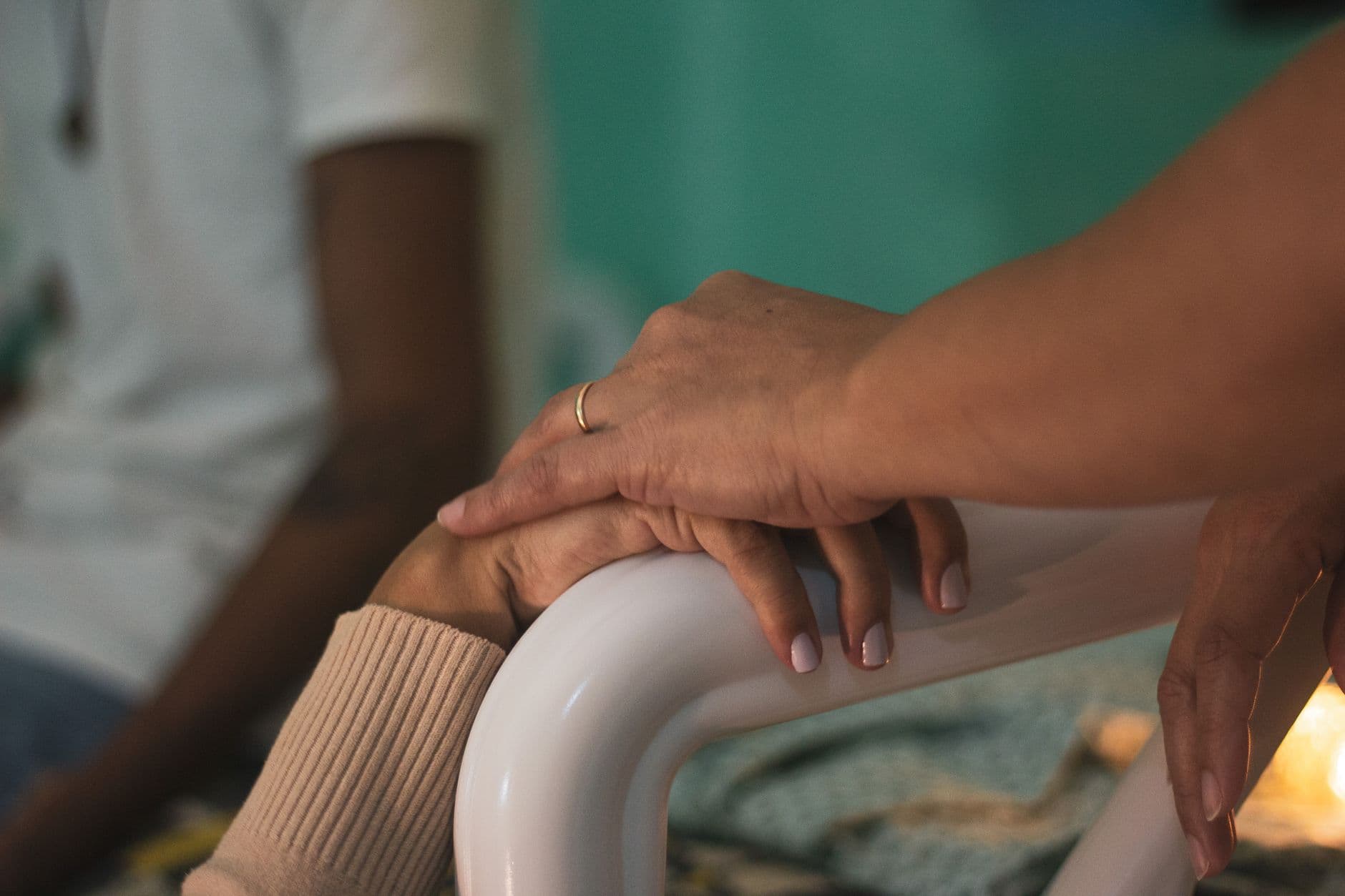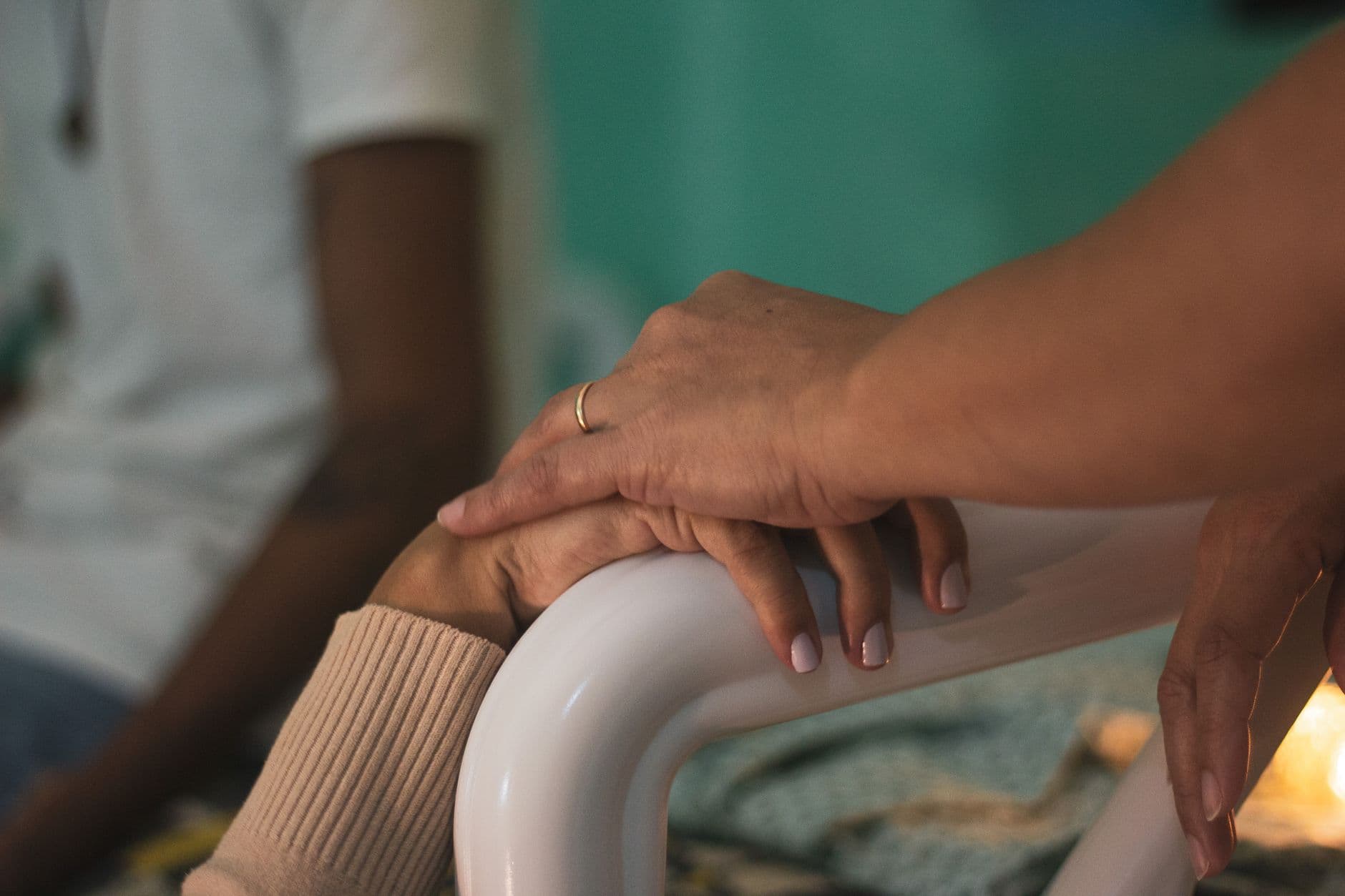
Emotional support after abortion in Thailand includes access to professional counseling, peer support groups, and self-care strategies that help you process your feelings and recover at your own pace. While many people feel relief after an abortion, others experience a range of emotions including sadness, guilt, or grief—all of which are normal. Understanding what to expect emotionally and knowing where to find help can make your recovery smoother and less isolating.
What Is Emotional Support After Abortion Thailand
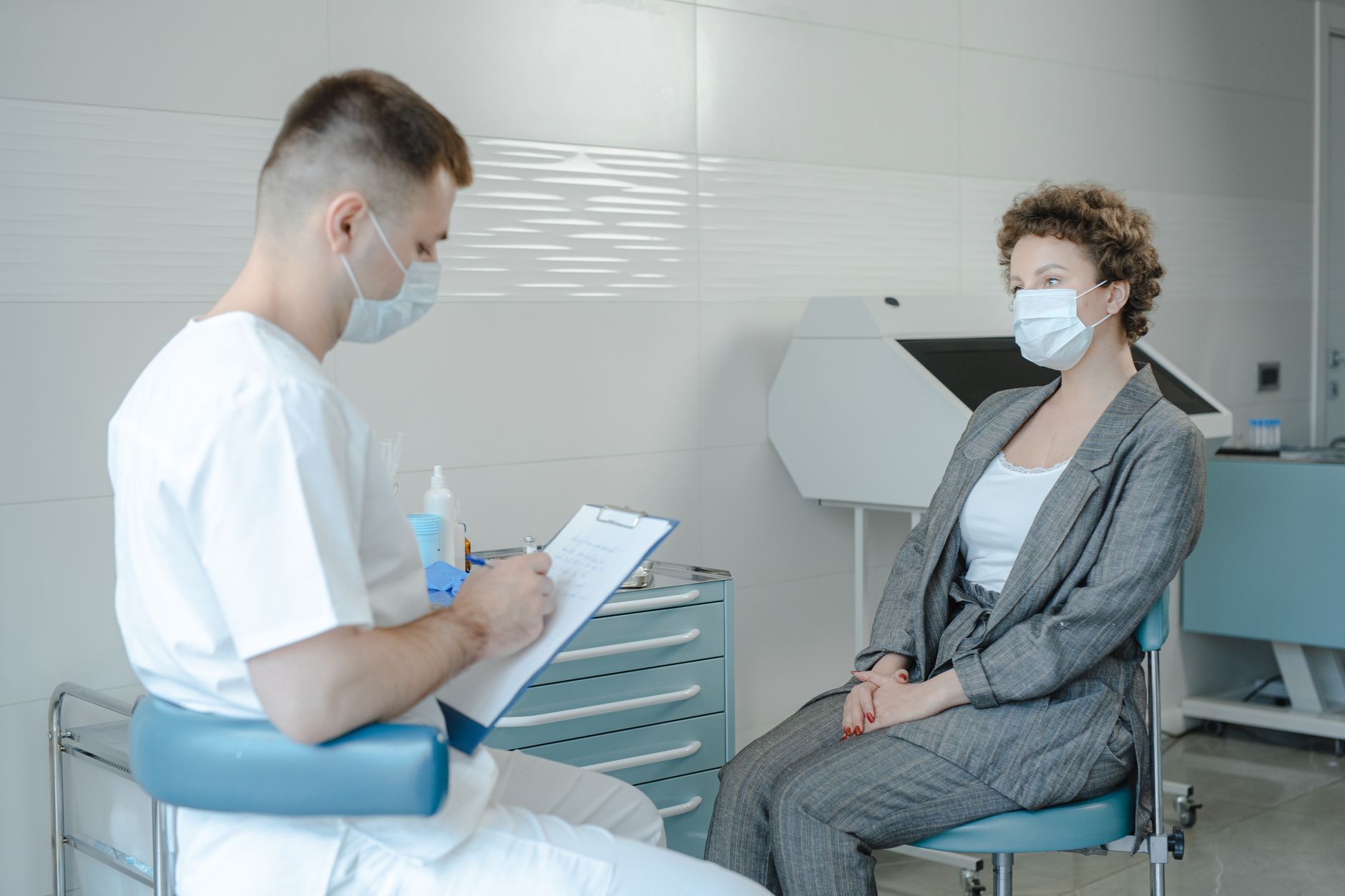
Emotional support after abortion refers to the psychological care and resources available to help you process your feelings and maintain mental well-being following the procedure. In Thailand, this support is recognized as an essential part of reproductive healthcare under the Ministry of Public Health regulations established in 2022.
Research shows that most people do not experience long-term negative mental health effects after abortion. However, your emotional response is individual and may be influenced by your personal circumstances, existing mental health conditions, social support network, and reasons for choosing abortion. Some people feel immediate relief, while others may experience temporary sadness, anxiety, or mixed emotions.
In Thailand, emotional support services include pre- and post-abortion counseling through the Department of Health hotline (1663), hospital-based counseling for procedures between 12-20 weeks (mandatory under current regulations), and private mental health services. These resources are designed to provide non-judgmental support that respects your autonomy and helps you navigate your feelings without pressure or bias.
What to Expect: Step by Step

Understanding the emotional timeline after abortion can help you recognize what you're experiencing as normal and identify when you might benefit from additional support.
First 24-48 hours: You may feel physically tired and emotionally drained. Many people report feeling relief that the procedure is complete, while others experience sadness or numbness. Physical discomfort from cramping or bleeding can affect your emotional state during this period.
First week: Hormones begin to readjust as pregnancy hormones decline, which can cause mood fluctuations similar to premenstrual symptoms. You might feel tearful, irritable, or more sensitive than usual. This is a normal physiological response to hormonal changes.
Weeks 2-4: Most people find that intense emotions begin to settle. You may still have moments of sadness or reflection, particularly around the date you would have given birth or during trigger moments like seeing pregnancy announcements. Establishing a self-care routine during this time supports continued healing.
Long-term (1-3 months and beyond): The majority of people report feeling emotionally stable and comfortable with their decision. If you continue experiencing persistent sadness, anxiety, guilt, or intrusive thoughts beyond six weeks, this may indicate you would benefit from professional counseling rather than being a typical response to the abortion itself.
Common Side Effects vs Warning Signs
It's important to distinguish between normal emotional responses and signs that you may need professional mental health support.
Common emotional responses (normal):
- Relief mixed with sadness or grief
- Temporary mood swings due to hormonal changes
- Feeling emotional during the first few weeks
- Moments of doubt or reflection about your decision
- Feeling more sensitive or tearful than usual
- Needing time alone or extra sleep
Warning signs to seek professional support:
- Persistent feelings of hopelessness or worthlessness lasting more than 2 weeks
- Inability to function in daily activities (work, relationships, self-care)
- Severe anxiety, panic attacks, or intrusive thoughts
- Loss of interest in activities you previously enjoyed
- Thoughts of self-harm or suicide
- Difficulty sleeping or eating for extended periods
- Social isolation or withdrawal from all support systems
If you experience warning signs, contact the Department of Health counseling hotline at 1663 or seek help from a licensed mental health professional. These feelings are treatable and do not mean you made the wrong decision—they indicate you need additional support during your recovery.
Self-Care After Abortion
Taking care of your emotional well-being is as important as physical recovery. These practical strategies can support your healing process:
Build your support network: Talk to trusted friends or family members who are supportive and non-judgmental. If you don't feel comfortable sharing with people you know, consider online support groups or professional counseling where you can speak freely about your experience.
Practice emotional validation: Allow yourself to feel whatever emotions arise without judgment. Your feelings are valid whether you feel relief, sadness, or both simultaneously. Avoid pressuring yourself to feel a certain way or to "get over it" according to someone else's timeline.
Maintain physical health: Physical and emotional health are interconnected. Eat nutritious meals, stay hydrated, get adequate sleep, and engage in gentle movement when you feel ready. Physical recovery supports emotional stability.
Limit exposure to triggers: During early recovery, it's okay to avoid situations that may be emotionally difficult, such as baby showers or conversations about pregnancy. Set boundaries that protect your healing process.
Use professional resources: The Department of Health hotline (1663) provides free counselling in Thai. Private mental health services are also available throughout Thailand if you prefer English-language support or more intensive therapy. Many therapists offer sessions via telehealth for privacy and convenience.
Frequently Asked Questions
How long will I feel emotional after an abortion?
Most people find that intense emotions settle within 2-4 weeks as hormones stabilize. However, everyone's timeline is different. It's normal to have occasional moments of reflection or sadness even months later, particularly around meaningful dates. If strong emotions persist beyond 6 weeks and interfere with daily life, professional counseling can help you process these feelings more effectively.
Is it normal to feel relief instead of sadness after abortion?
Yes, relief is one of the most commonly reported emotions after abortion. Many people feel a sense of relief that they were able to access the care they needed and can now move forward with their lives. Feeling relief does not mean you are callous or made the decision lightly—it means you made the right choice for your circumstances. You may also feel relief alongside other emotions like sadness, and this combination is completely normal.
Can I access free counseling services in Thailand after abortion?
Yes, the Department of Health operates a free counselling hotline at 1663 that provides support in Thai. This service offers pre- and post-abortion counseling without judgment. Additionally, if you had your procedure at a hospital within the RSA network, you may have access to follow-up counseling through that facility. Private mental health services are also available throughout Thailand, though these typically involve fees ranging from 1,500-3,000 THB per session.
What if my partner or family doesn't support my decision?
Lack of support from close relationships can make emotional recovery more challenging. If you're experiencing judgment or pressure from family or a partner, seek support from neutral sources such as professional counselors, support groups, or trusted friends outside that relationship. The Department of Health hotline (1663) can provide counselling and help you develop strategies for managing difficult relationships. Remember that you have the right to make decisions about your own body and healthcare, regardless of others' opinions.
Does abortion cause long-term mental health problems?
Extensive research shows that abortion does not cause long-term mental health problems for most people. Studies consistently find that when mental health issues occur after abortion, they are typically related to pre-existing mental health conditions, lack of social support, coercion, or difficult life circumstances—not the abortion itself. The most reliable predictor of emotional well-being after abortion is having support, access to quality care, and making the decision autonomously. If you have a history of depression, anxiety, or other mental health conditions, proactive counseling support can help you manage these during your recovery.
How do I cope with feelings of guilt or regret?
Feelings of guilt or regret can arise from internalized stigma, religious beliefs, or societal messages about abortion, even when you logically know you made the right decision. Professional counseling can help you work through these feelings by exploring where they come from and developing compassionate self-talk. Many people find it helpful to write down the reasons they chose abortion and review this when doubts arise. Remember that having complex feelings doesn't mean you made the wrong choice—it means you're processing a significant life experience. With time and support, most people come to feel at peace with their decision.
When should I seek professional mental health help after abortion?
You should consider professional support if you experience persistent sadness, anxiety, or guilt lasting more than 2 weeks, difficulty functioning in daily activities, loss of interest in things you normally enjoy, changes in sleep or appetite, social withdrawal, or any thoughts of self-harm. These symptoms suggest you may be experiencing depression or anxiety that needs treatment, which is not the same as normal emotional processing. Professional help is also beneficial if you simply want structured support during recovery, even without severe symptoms. Seeking help early can prevent more serious mental health challenges and support faster healing.
References
- Criminal Code Amendment Act No. 28 B.E. 2564 (2021)
- Ministry of Public Health Notification on Counseling Services B.E. 2565 (2022)
- RSA Network, Department of Health — rsathai.org
- Department of Health Hotline 1663