Buddhism, the predominant religion in Thailand, traditionally views abortion as a violation of the first precept against killing, yet Thailand's 2021 legal reforms have decriminalized abortion up to 12 weeks. This article examines how Buddhist perspectives influence abortion access, why some medical professionals refuse to perform procedures despite legalization, and what options exist for women seeking care in a predominantly Buddhist society.
What Is the Buddhist Perspective on Abortion in Thailand
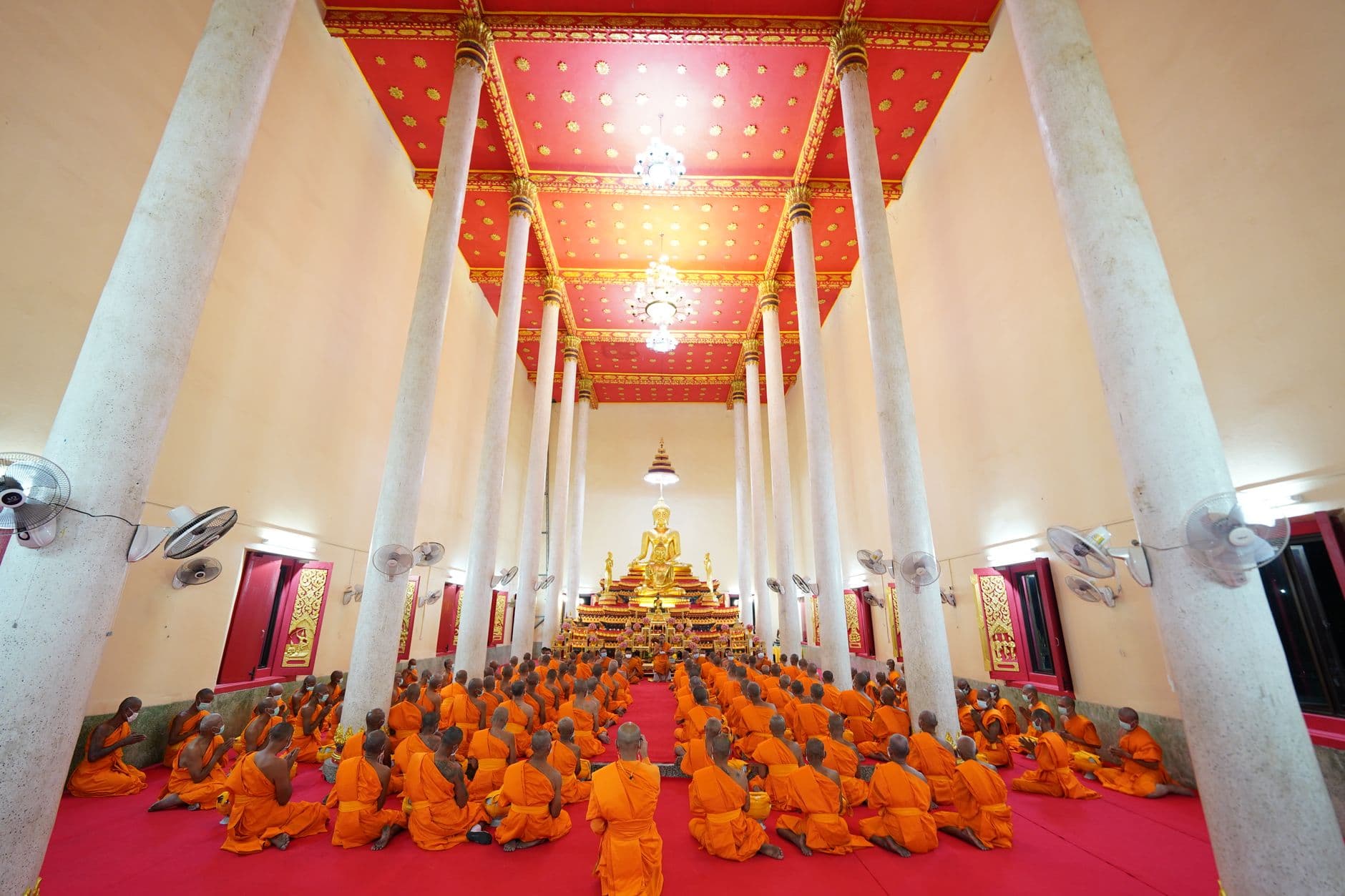
In Theravada Buddhism, which over 90% of Thais practice, abortion is generally considered a breach of the first precept (pāṇātipāta), which prohibits taking life. Buddhist teachings hold that consciousness enters the embryo at the moment of conception, making the fetus a sentient being deserving of protection. This belief creates significant moral conflict for healthcare providers and women considering abortion.
However, Buddhist ethics also emphasize compassion (karuṇā) and understanding individual circumstances. Some Buddhist scholars argue that the precepts are guidelines for personal conduct rather than absolute prohibitions, and that intention (cetanā) matters greatly. A woman facing severe hardship, health risks, or circumstances beyond her control may be viewed with greater compassion than someone acting carelessly.
This nuanced view has created space for Thailand's legal reforms, though cultural resistance remains strong. Many Thai doctors and nurses invoke conscientious objection based on Buddhist beliefs, even in public hospitals. Understanding this religious context helps explain why legal abortion access doesn't always translate to practical availability, and why women may encounter varying attitudes from healthcare providers.
What to Expect: Navigating Religious and Medical Systems

When seeking abortion services in Thailand, you'll encounter a healthcare system influenced by both modern law and traditional Buddhist values. Here's what typically happens:
- Initial consultation: Contact the Department of Health hotline (1663) or visit an RSA network facility. Staff are trained to provide non-judgmental information regardless of religious background
- Counseling session (12-20 weeks): Mandatory for pregnancies beyond 12 weeks, this session covers medical information and options, not religious persuasion
- Provider selection: If your assigned doctor has conscientious objections, the facility must refer you to another provider within the same institution
- Medical or surgical procedure: Performed by licensed physicians using mifepristone-misoprostol (medication abortion) or vacuum aspiration, depending on gestational age
- Follow-up care: Scheduled 1-2 weeks after the procedure to ensure complete abortion and monitor recovery
Costs range from 3,000-15,000 THB depending on method and gestational age. Public hospitals in the RSA network generally offer lower costs than private facilities. The entire process, from consultation to follow-up, typically takes 2-4 weeks for pregnancies up to and including 12 weeks.
Common Side Effects vs Warning Signs
Understanding normal recovery helps distinguish expected symptoms from complications requiring medical attention.
Expected side effects (medication abortion):
- Cramping and bleeding heavier than a period for 3-7 days
- Nausea, vomiting, or diarrhea within the first 24 hours
- Fatigue and mild headache
- Passing blood clots up to lemon-sized
Warning signs requiring immediate care:
- Soaking through two thick pads per hour for two consecutive hours
- Severe abdominal pain not relieved by ibuprofen
- Fever above 38°C lasting more than 24 hours
- Foul-smelling vaginal discharge
- No bleeding within 24 hours after taking misoprostol
If you experience warning signs, call your provider immediately or go to the nearest emergency room. While some healthcare workers may hold personal religious objections to abortion, they are professionally obligated to treat complications without judgment. Emergency medical care takes precedence over personal beliefs in Thai medical ethics.
Self-Care After Abortion
Physical and emotional recovery varies, but these guidelines support healing in the weeks following your procedure:
Physical care:
- Rest for 1-2 days, then gradually resume normal activities as you feel able
- Use pads instead of tampons for at least two weeks to reduce infection risk
- Avoid sexual intercourse for two weeks or until bleeding stops
- Take ibuprofen (400-600mg every 6 hours) for cramping; avoid aspirin which increases bleeding
- Stay hydrated and eat iron-rich foods to replace blood loss
Emotional well-being:
Religious guilt is common in Buddhist-majority Thailand, even among women who don't consider themselves deeply religious. Cultural messaging about abortion as "bad karma" (บาป) can trigger shame or anxiety. Remember that your decision was made in your specific circumstances, and Buddhist concepts of self-compassion apply equally to you.
If you're struggling emotionally, the Department of Health counselling line (1663) offers support. Some women find it helpful to make merit (ทำบุญ) through donation or other acts of kindness as a way to process their feelings within a Buddhist framework. Others prefer secular counseling. Both approaches are valid—choose what brings you peace.
Frequently Asked Questions
Will Thai doctors refuse to treat me because of Buddhism?
Some doctors exercise conscientious objection based on Buddhist beliefs, but public hospitals in the RSA network are required to have providers available who will perform legal abortions. If your assigned doctor refuses, the facility must immediately refer you to another physician within the same institution. Private hospitals have more latitude to refuse service entirely, so contacting an RSA network hospital ensures access. You can find participating facilities through the Department of Health hotline at 1663.
Do other religions in Thailand also oppose abortion?
Yes, Christianity (particularly Catholicism) and Islam also generally prohibit abortion, though with some differences. Catholic teaching considers abortion impermissible in nearly all circumstances, viewing life as sacred from conception. Islamic perspectives are more varied—many scholars permit abortion before 120 days of pregnancy in cases of severe hardship or health risk, though interpretations differ. Thailand's legal reforms apply equally regardless of your religion, and healthcare providers cannot discriminate based on your faith background.
Will having an abortion affect my karma or future rebirths?
Buddhist teachings on karma (กรรม) emphasize that actions have consequences, but also that intention and circumstance matter greatly. Making a difficult decision from a place of genuine necessity, after careful consideration, is viewed differently than acting carelessly. Many Buddhist teachers emphasize compassion for oneself and others in difficult situations. If this concerns you, consider speaking with a Buddhist counselor or monk you trust, though remember that medical decisions ultimately rest with you and your healthcare provider.
Can I go to a temple after having an abortion?
There is no Buddhist rule prohibiting temple visits after abortion, though some traditional beliefs suggest waiting until bleeding stops for reasons of ritual purity rather than religious prohibition. Many women find comfort in visiting temples, making merit, or meditating as part of their emotional healing process. Your personal spiritual practice is yours to determine—there is no single "correct" Buddhist response to abortion.
What if my family's Buddhist beliefs make them disapprove?
Thailand's abortion law includes strong confidentiality protections—healthcare providers cannot disclose your abortion to family members without your explicit consent, even if you are an adult. People aged 15 and over may decide to access services on their own; those under 15 need consent from a parent or guardian (see Thailand abortion law: consent). You have the right to make this decision privately and to choose whom, if anyone, you tell. The 1663 hotline can also connect you with counselors who understand navigating family dynamics in Thai Buddhist culture.
Are there Buddhist-friendly ways to process this experience emotionally?
Many women find practices like metta meditation (loving-kindness), dedicating merit to all beings, or participating in community service helpful for emotional healing within a Buddhist framework. Some choose to speak with sympathetic monks or nuns, though views vary widely among religious teachers. Secular counseling is also available through the Department of Health and is completely compatible with Buddhist practice. The most important thing is finding an approach that brings you genuine peace and self-compassion.
References
- Criminal Code Amendment Act No. 28 B.E. 2564 (2021)
- Ministry of Public Health Notification on Counseling Services B.E. 2565 (2022)
- RSA Network, Department of Health — rsathai.org
- Department of Health Hotline 1663