
Having more than one abortion is a common medical situation that raises understandable health concerns. When performed by qualified doctors using modern methods, repeat abortions are generally safe with complication rates below 2%. However, certain risks may increase with multiple procedures, making it essential to understand both the physical and emotional health effects, and how to access contraception to prevent unintended pregnancies in the future.
What Is Repeat Abortion Multiple Times Health Effects Thailand
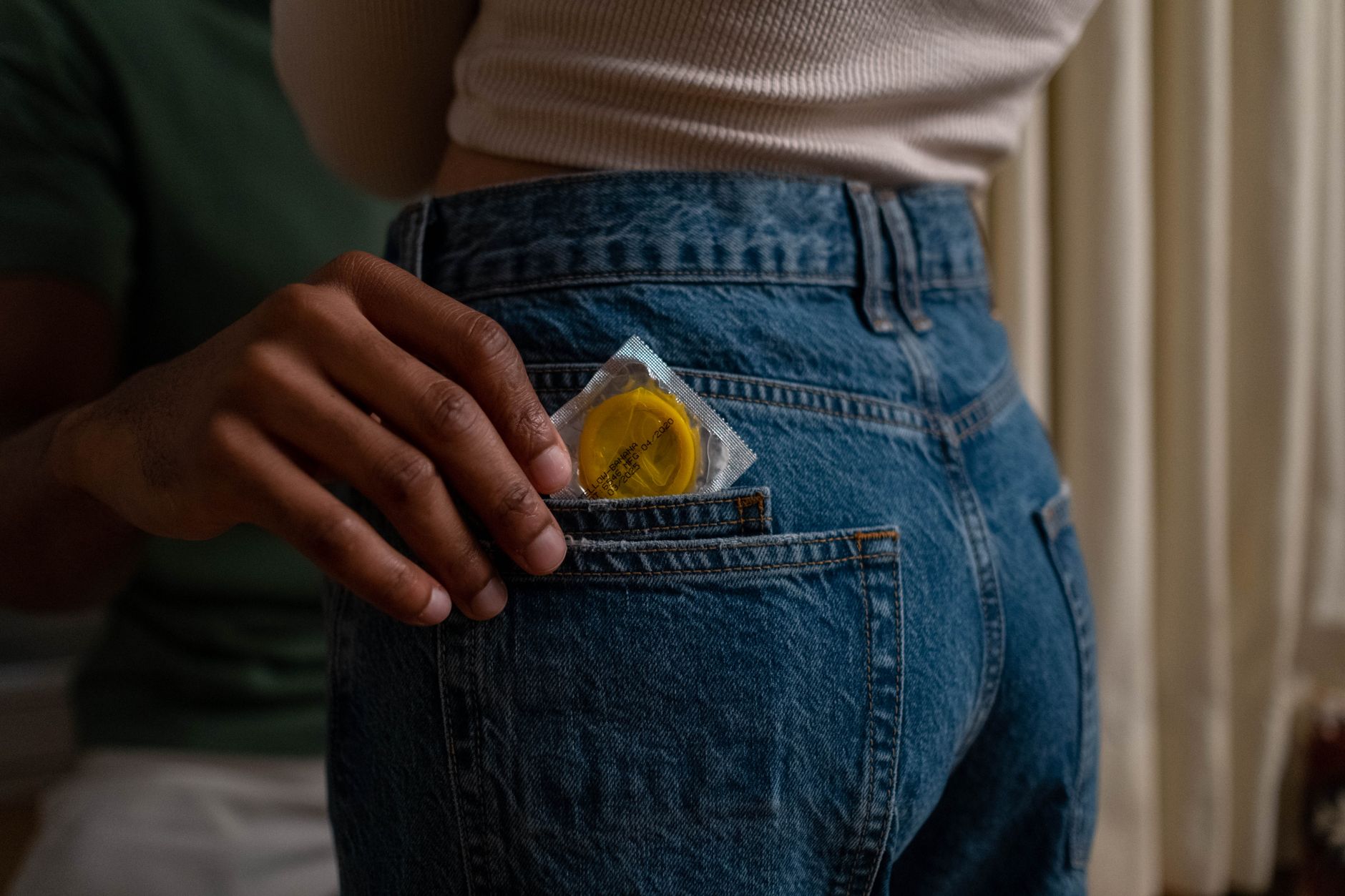
The health effects of multiple abortions depend primarily on the method used, gestational age, and whether procedures are performed by licensed medical professionals. Research shows that having more than one abortion does not significantly affect future fertility for most women when proper medical protocols are followed.
Physical risks that may slightly increase with repeated procedures include:
- Asherman's Syndrome: Scarring inside the uterus from surgical procedures (extremely rare with medication abortion)
- Cervical weakness: May occur after multiple surgical dilations, though modern gentle dilation techniques minimize this risk
- Pelvic Inflammatory Disease (PID): Risk is low when antibiotics are properly administered and post-procedure care is followed
- Uterine perforation: Remains under 0.1% even with multiple procedures when performed by experienced providers
In Thailand, medication abortion (mifepristone and misoprostol) has been available in hospitals since 2014 and is the safest method for repeat procedures up to 12 weeks, carrying minimal risk to future reproductive health. The emotional aspect also matters—some women experience relief while others may face complex feelings that benefit from counseling support available through the Department of Health hotline 1663.
What to Expect: Step by Step

If you're considering another abortion at a legal facility in Thailand, understanding the process helps you prepare mentally and physically:
Initial Consultation: Your doctor will review your medical history, including previous abortion methods and any complications. Be honest about all past procedures—this information is confidential and essential for your safety. An ultrasound confirms gestational age, which determines available methods.
Method Selection: For pregnancies up to 12 weeks, medication abortion is typically recommended as it involves no surgical instruments and therefore no risk of uterine scarring. The doctor prescribes mifepristone (taken at the clinic) followed by misoprostol (taken 24-48 hours later). For 12-20 week pregnancies, you'll receive mandatory counseling before the procedure as required by Ministry of Public Health regulations since October 2022.
The Procedure: With medication abortion, cramping and bleeding typically begin 1-4 hours after taking misoprostol at home. Most women pass the pregnancy tissue within 4-6 hours, though bleeding continues for 1-2 weeks. Surgical methods (vacuum aspiration) take 5-10 minutes under local or general anesthesia and involve less bleeding time.
Follow-up Care: A follow-up visit 1-2 weeks later confirms the abortion is complete. This is also the ideal time to discuss long-term contraception options like IUDs or implants, which can be inserted immediately and are over 99% effective at preventing future unintended pregnancies.
Common Side Effects vs Warning Signs
Knowing what's normal versus what requires immediate medical attention helps you recover safely after a repeat abortion.
Expected Side Effects:
- Cramping similar to heavy period pain for 24-48 hours
- Bleeding that's heavier than a period, gradually decreasing over 1-2 weeks
- Passing blood clots up to lemon-size
- Nausea, fatigue, or mild headache
- Breast tenderness for a few days
Warning Signs Requiring Immediate Care:
- Soaking through 2 thick pads per hour for 2 consecutive hours
- Severe abdominal pain not relieved by medication
- Fever above 38°C (100.4°F) lasting more than 4 hours
- Foul-smelling vaginal discharge
- No bleeding within 24 hours after taking misoprostol (medication method)
- Symptoms of continued pregnancy after 2 weeks
Women who have had multiple abortions should be especially attentive to signs of infection, as repeated procedures may slightly increase PID risk if post-procedure instructions aren't carefully followed. Contact your healthcare provider or call 1669 for emergency medical services if you experience any warning signs.
Self-Care After Abortion
Proper recovery care is the same whether this is your first or fifth abortion, but paying extra attention to your body's signals becomes increasingly important.
Physical Recovery: Rest for 24-48 hours and avoid strenuous exercise for one week. Use pads instead of tampons for the first week to reduce infection risk. Take ibuprofen (400-600mg every 6 hours) for cramping—it's more effective than paracetamol. Avoid sexual intercourse for two weeks or until bleeding stops completely. Your period should return within 4-8 weeks.
Emotional Wellbeing: Multiple abortions can bring up complex emotions—some women feel primarily relief, others experience sadness or guilt, and many feel a mixture of emotions that change over time. All these feelings are normal and valid. If you're struggling emotionally, the Department of Health counselling hotline (1663) offers support in Thai. Support groups and mental health resources through RSA Network facilities can also help.
Contraception Planning: This is perhaps the most important aspect of self-care after repeat abortions. Most contraceptive methods can start immediately after the procedure. Long-acting reversible contraceptives (IUDs and implants) are ideal because they require no daily action and last 3-10 years. Discuss your options with your doctor during the follow-up visit—preventing future unintended pregnancies protects both your physical and emotional health.
Frequently Asked Questions
Will multiple abortions make me infertile?
No, multiple abortions performed by qualified medical professionals do not cause infertility in the vast majority of cases. Studies show that complication rates remain below 2% even with repeat procedures. Medication abortion carries virtually no risk to future fertility because it doesn't involve surgical instruments. If you've had surgical abortions, the risk of fertility problems is still very low when procedures were performed correctly. However, if you experienced complications like severe infection or Asherman's Syndrome in the past, inform your doctor as these rare conditions may require treatment before trying to conceive in the future.
Is medication abortion safer than surgical for repeat procedures?
For pregnancies up to 12 weeks, medication abortion (mifepristone and misoprostol) is generally considered the safest option for repeat procedures because it eliminates risks associated with surgical instruments, such as uterine perforation or scarring. The effectiveness rate is 95-98% and the method allows your body to complete the process naturally. However, medication abortion requires more time at home and involves more bleeding than surgical methods. Your doctor will recommend the best option based on your gestational age, medical history, and personal preference.
How long should I wait between abortions to be safe?
There is no medically required waiting period between abortions from a safety perspective. Your body typically recovers within 2-4 weeks, and you can become pregnant again immediately after an abortion, even before your first period returns. However, the most important consideration is preventing unintended pregnancies rather than spacing abortions. Starting long-acting contraception immediately after your procedure is the best way to protect your health and avoid being in this situation repeatedly.
Does having three or more abortions increase cancer risk?
No, there is no scientific evidence that having multiple abortions increases your risk of breast cancer or any other type of cancer. This myth has been thoroughly debunked by major medical organizations worldwide, including the World Health Organization and the American College of Obstetricians and Gynecologists. The only proven health risks from repeat abortions are the rare complications associated with the procedures themselves, not long-term diseases like cancer.
Can I get an IUD immediately after my abortion to prevent this happening again?
Yes, an IUD (intrauterine device) can be inserted immediately after a surgical abortion or within a few days after a medication abortion once the procedure is confirmed complete. This is actually the ideal time because you're already at the clinic, you're certain you're not pregnant, and you'll have immediate protection. IUDs are over 99% effective, last 3-10 years depending on the type, and can be removed at any time if you want to become pregnant. The copper IUD contains no hormones, while hormonal IUDs often reduce or eliminate periods. Discuss both options with your doctor during your procedure or follow-up visit.
Where can I access safe abortion services in Thailand if I need another procedure?
Thailand has 110 registered facilities in the RSA Network that provide legal abortion services. You can access care at government hospitals, university hospitals, and some private clinics. For pregnancies up to 12 weeks, you can request services directly without explaining your reasons. For 12-20 weeks, mandatory counseling is required before the procedure. Costs typically range from 3,000-15,000 THB depending on the method and gestational age. To find the nearest facility, visit rsathai.org or call the Department of Health hotline at 1663 for information and referrals in Thai.
What contraception is most effective after multiple abortions?
Long-acting reversible contraceptives (LARCs) are the most effective options after repeat abortions because they don't require daily action and have the lowest failure rates. The contraceptive implant (placed under the skin of your upper arm) is 99.9% effective and lasts 3 years. IUDs are 99% effective and last 3-10 years depending on type. Both can be used while breastfeeding and don't affect future fertility. Birth control pills are 91% effective with typical use because forgetting pills is common, while condoms are 85% effective with typical use. If preventing future unintended pregnancies is your priority, ask your doctor about getting an implant or IUD immediately after your procedure.
References
- Criminal Code Amendment Act No. 28 B.E. 2564 (2021)
- Ministry of Public Health Notification on Counseling Services B.E. 2565 (2022)
- RSA Network, Department of Health — rsathai.org
- Department of Health Hotline 1663