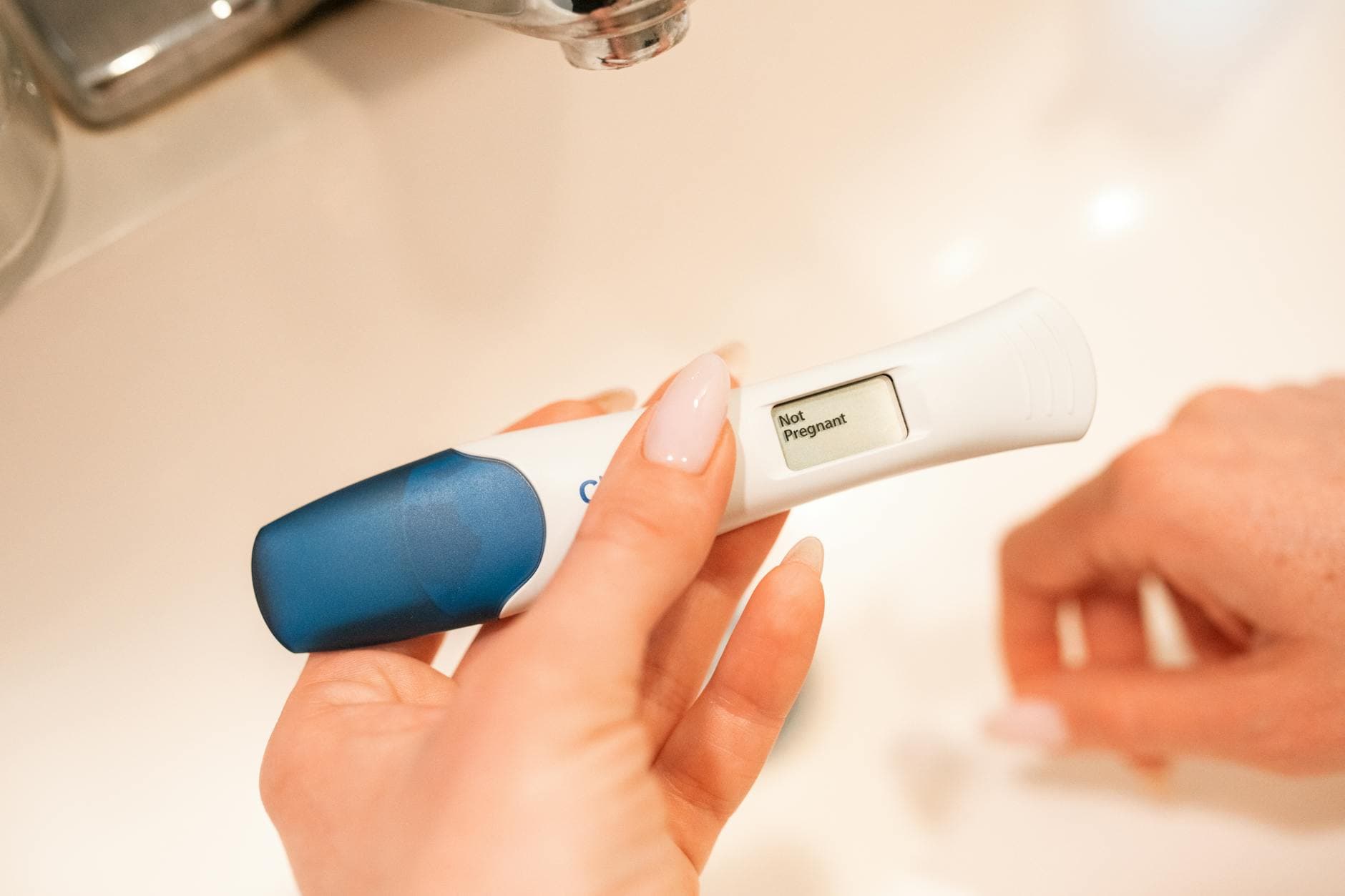
If your pregnancy test shows two lines (positive result) in Thailand, your next step is confirming the pregnancy with a licensed doctor through blood tests and ultrasound. You then have the legal right to continue the pregnancy with free antenatal care through Thailand's universal healthcare system, or to access safe abortion services within the legal timeframe. All options should be discussed with a medical professional within 1–2 weeks of your positive test.
A positive home pregnancy test can bring mixed emotions—whether joy, uncertainty, or concern. Whatever you're feeling is valid. In Thailand, you have clear medical and legal pathways ahead, and understanding your options helps you make the decision that's right for your situation.
What Is Pregnancy Test Positive What Next Thailand

When a home pregnancy test shows positive (two lines), it detects the hormone hCG (human chorionic gonadotropin) in your urine. While home tests are generally accurate, they cannot tell you how far along you are, whether the pregnancy is developing normally, or its exact location.
Your immediate next steps in Thailand are:
- Schedule a doctor's appointment within 1–2 weeks at a hospital or clinic with obstetric services
- Confirm pregnancy through blood test (quantitative hCG) which is more accurate than urine tests
- Get an ultrasound scan to confirm gestational age, rule out ectopic pregnancy, and check fetal development
- Discuss your options openly with your doctor—continuing pregnancy or accessing abortion services
In Thailand, you have the right to receive non-judgmental counseling regardless of your decision. Under the Criminal Code Amendment Act No. 28 B.E. 2564 (2021), abortion is legal on request up to 12 weeks of pregnancy when performed by a licensed physician. Between 12–20 weeks, it's legal after mandatory counseling as per Ministry of Public Health regulations (2022).
What to Expect: Step by Step
First Medical Visit (Week 1–2 after positive test):
Your doctor will perform a comprehensive assessment including:
- Medical history review (previous pregnancies, chronic conditions, medications)
- Physical examination and vital signs check
- Blood tests: hCG levels, blood type and Rh factor, complete blood count, screening for infections (HIV, hepatitis B, syphilis)
- Transvaginal or abdominal ultrasound to confirm intrauterine pregnancy and estimate gestational age
- Urine tests for kidney function and urinary tract infections
If Continuing Pregnancy:
Thailand's universal healthcare coverage provides free antenatal care (ANC) through three systems: Universal Coverage Scheme (บัตรทอง/Gold Card), Social Security, and Civil Servant Medical Benefits. Your first ANC visit should occur before 12 weeks gestation and includes nutritional counseling, folic acid supplementation, and a schedule for follow-up visits throughout pregnancy.
Social Security contributors who have paid for at least 5 months can claim up to 1,500 THB for antenatal care (divided into 5 visits) and a lump sum of 15,000 THB for delivery costs, plus 90 days of maternity leave compensation at 50% salary (maximum 15,000 THB/month).
If Considering Abortion:
Your doctor will explain available methods based on gestational age: medication abortion (up to 10 weeks) or surgical procedures. You don't need partner consent, but do need to understand the process, risks, and follow-up care. Costs range from 3,000–15,000 THB depending on method and facility.
Common Side Effects vs Warning Signs
Normal Early Pregnancy Symptoms:
- Breast tenderness and swelling
- Mild cramping (similar to period cramps)
- Light spotting (implantation bleeding) in first 1–2 weeks
- Fatigue and increased need for sleep
- Nausea or morning sickness (typically starts around week 6)
- Frequent urination
- Mood changes due to hormonal fluctuations
Warning Signs—Seek Immediate Medical Care:
- Heavy vaginal bleeding (soaking through a pad in less than an hour)
- Severe abdominal pain, especially on one side
- Shoulder pain combined with abdominal pain (may indicate ectopic pregnancy)
- Dizziness, fainting, or signs of shock
- Fever above 38°C (100.4°F)
- Severe vomiting preventing fluid intake
These symptoms could indicate ectopic pregnancy, miscarriage, or other complications requiring urgent attention. Don't wait—go to the nearest hospital emergency department or call 1669 for emergency medical services.
Self-Care After Confirmation
Once your pregnancy is medically confirmed, regardless of your decision to continue or not, taking care of your physical and emotional health is essential.
Physical Self-Care:
- Start taking prenatal vitamins with folic acid (400–800 mcg daily) if continuing pregnancy
- Avoid alcohol, smoking, and recreational drugs
- Limit caffeine intake to less than 200mg daily (about 1 cup of coffee)
- Eat balanced meals and stay hydrated
- Get adequate rest—your body is working hard
- Avoid raw or undercooked meat, unpasteurized dairy, and high-mercury fish
Emotional Support:
Making decisions about pregnancy can be emotionally challenging. It's normal to feel uncertain, anxious, or overwhelmed. Talk to trusted friends, family members, or professional counselors. In Thailand, you can get support through the Department of Health Hotline 1663, which provides information about both pregnancy continuation and abortion services without judgment.
If you're considering abortion, know that you're not alone and it's a legal healthcare decision in Thailand. If continuing pregnancy, connect with support groups and educational resources about prenatal care.
Frequently Asked Questions
How accurate are home pregnancy tests in Thailand?
Home pregnancy tests available in Thai pharmacies are 97–99% accurate when used correctly after a missed period. For best results, test with your first morning urine when hCG concentrations are highest. However, a blood test at a medical facility provides more precise quantitative hCG levels and should be done to confirm any positive home test.
Can I access pregnancy services in Thailand without a Thai ID or insurance?
Yes. While Thai citizens can access free services through universal healthcare, foreigners and those without documentation can still receive care at government hospitals and clinics by paying out-of-pocket fees, which are generally affordable. Pregnancy confirmation and basic consultation typically cost 300–800 THB. Many RSA Network facilities welcome all patients regardless of nationality or documentation status.
How soon do I need to see a doctor after a positive test?
You should schedule an appointment within 1–2 weeks of your positive test. This timing allows for accurate ultrasound dating (best between 6–9 weeks) while giving you time to make informed decisions. If you're experiencing severe pain, heavy bleeding, or dizziness, seek immediate medical care as these could indicate ectopic pregnancy or other complications.
What if I'm not ready to continue the pregnancy?
In Thailand, abortion is legal on request up to 12 weeks of pregnancy when performed by a licensed physician. Between 12–20 weeks, it's legal after counseling. The earlier you seek care, the more options you have and the simpler the procedures. Contact a hospital with abortion services or call the Department of Health Hotline 1663 for guidance on accessing safe, legal services.
Do I need my partner's permission to continue or terminate pregnancy in Thailand?
No. Under Thai law, you do not need partner consent or parental permission (if you are aged 15 or over) to access abortion services or make decisions about your pregnancy. Your reproductive healthcare decisions are yours alone. Medical facilities are required to maintain patient confidentiality and respect your autonomy.
What healthcare rights do pregnant workers have in Thailand?
Under Thai labor law, pregnant employees are entitled to 98 days of maternity leave (45 days paid at full salary for the first child, 98 days paid for subsequent children). Those covered under Social Security receive additional benefits including medical expense reimbursement and compensation at 50% of salary during leave. Employers cannot terminate employment due to pregnancy or deny reasonable accommodations during pregnancy.
Who can see my pregnancy record at a public hospital?
All medical facilities in Thailand are bound by patient confidentiality laws. Your pregnancy status, test results, and any decisions about continuation or termination are protected health information that cannot be shared without your explicit consent. Healthcare providers who breach confidentiality face legal and professional consequences.
References
- Criminal Code Amendment Act No. 28 B.E. 2564 (2021)
- Ministry of Public Health Notification on Counseling Services B.E. 2565 (2022)
- RSA Network, Department of Health — rsathai.org
- Department of Health Hotline 1663
⚠️ This article is for educational purposes only and does not constitute medical advice for individual cases. Always consult a licensed physician before making any decisions.