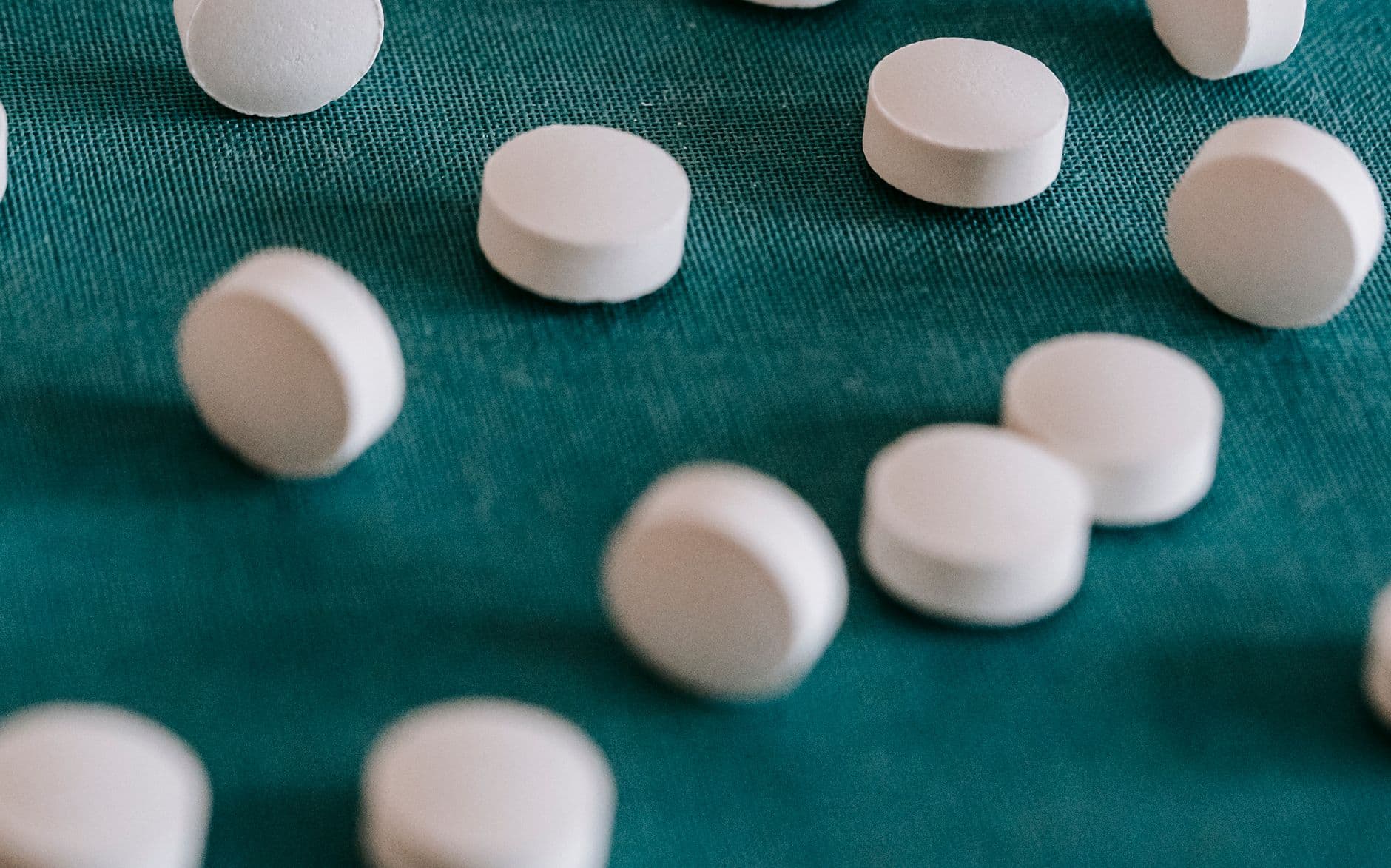
Nausea and vomiting are normal side effects experienced by many people after taking abortion pills (Mifepristone and Misoprostol) in Thailand. These symptoms are usually mild, temporary, and can be effectively managed with anti-nausea medication, proper timing, and simple self-care measures. Understanding what to expect and when to seek medical help ensures a safer experience.
What Is Nausea and Vomiting After Abortion Pills in Thailand

When you take abortion pills under medical supervision in Thailand, nausea and vomiting are among the most frequently reported side effects. These symptoms occur because Misoprostol — the second medication in the regimen — causes strong uterine contractions and affects your digestive system. The hormonal medication Mifepristone can also contribute to feelings of nausea.
Most people experience nausea within 1-4 hours after taking Misoprostol, and it typically resolves within 4-6 hours. The intensity varies from person to person. Some feel only mild queasiness, while others may vomit once or twice. This is a normal part of the process and does not mean the treatment is failing.
In Thailand, licensed physicians who prescribe Mifepristone and Misoprostol will also provide anti-nausea medication (such as Domperidone or Metoclopramide) to help minimize these symptoms. Taking this medication 30 minutes before your Misoprostol dose significantly reduces the likelihood and severity of nausea.
What to Expect: Step by Step
Understanding the timeline helps you prepare and manage symptoms more confidently. Here's what typically happens when taking abortion pills in Thailand:
- Day 1: You take Mifepristone at the clinic or hospital. Some people feel mild nausea within a few hours, but most experience no symptoms at this stage.
- 24-48 hours later: You take Misoprostol, usually at home. Your doctor will instruct you to take anti-nausea medication 30 minutes beforehand.
- 1-4 hours after Misoprostol: Cramping begins, along with possible nausea, vomiting, chills, or diarrhea. These symptoms peak during the first 4-6 hours.
- 4-6 hours after Misoprostol: Nausea usually subsides. Bleeding continues but other symptoms begin to ease.
- Follow-up (1-2 weeks later): You return to your healthcare provider to confirm the procedure was successful.
If you vomit within 30 minutes of taking Misoprostol, contact your healthcare provider immediately — you may need to take another dose. If vomiting occurs after 30 minutes, the medication has likely been absorbed and remains effective.
Common Side Effects vs Warning Signs
It's important to distinguish between normal side effects and symptoms that require immediate medical attention. Most people experience some or all of these common effects:
Normal side effects (no action needed):
- Nausea and 1-3 episodes of vomiting within the first 6 hours
- Moderate to strong cramping
- Heavy bleeding with clots
- Diarrhea lasting a few hours
- Chills, slight fever (under 38°C), or sweating
- Headache or dizziness
Warning signs (seek medical care immediately):
- Severe, continuous vomiting that prevents you from keeping down water or medication for more than 24 hours
- Fever above 38°C lasting more than 24 hours
- Soaking through two thick pads per hour for two consecutive hours
- Severe abdominal pain that doesn't improve with pain medication
- Foul-smelling vaginal discharge
- Fainting or severe weakness
If you experience any warning signs, contact your healthcare provider or call 1669 for emergency assistance.
Self-Care After Abortion
Taking care of yourself during and after the abortion pill process helps minimize discomfort and supports recovery. Here are evidence-based strategies to manage nausea and vomiting:
Before taking Misoprostol:
- Take the anti-nausea medication prescribed by your doctor 30 minutes beforehand
- Eat a light snack such as plain crackers, toast, or bananas — avoid heavy, spicy, or fatty foods
- Stay well-hydrated with small sips of water or warm ginger tea
During the process:
- Rest in a comfortable position — lying on your side may help reduce nausea
- Practice slow, deep breathing to calm your nervous system
- Use a cool compress on your forehead or neck
- Keep a basin nearby in case you need to vomit
After symptoms subside:
- Continue drinking clear fluids — water, herbal tea, or diluted fruit juice
- Gradually reintroduce bland foods like rice, soup, or toast
- Avoid alcohol, caffeine, and smoking for at least 24 hours
- Rest as much as possible and avoid strenuous activity for 1-2 days
Frequently Asked Questions
Can I prevent nausea before taking abortion pills?
While you cannot completely prevent nausea, you can significantly reduce it by taking anti-nausea medication prescribed by your doctor 30 minutes before Misoprostol. Eating a light snack beforehand and staying hydrated also helps. Your healthcare provider in Thailand will give you specific instructions tailored to your situation.
What should I do if I vomit after taking the pills?
The timing matters. If you vomit within 30 minutes of taking Misoprostol, contact your healthcare provider immediately as you may need to take another dose. If vomiting occurs more than 30 minutes after taking the medication, the pills have likely been absorbed and the treatment will still be effective. Continue to monitor your symptoms and stay hydrated.
How long does nausea last after abortion pills?
Most people experience nausea for 4-6 hours after taking Misoprostol, with symptoms peaking in the first 2-4 hours. Mild queasiness may continue for up to 24 hours but should gradually improve. If severe nausea or vomiting persists beyond 24 hours, contact your healthcare provider as this may indicate a complication requiring medical attention.
Is it safe to take anti-nausea medication with abortion pills in Thailand?
Yes, anti-nausea medications such as Domperidone or Metoclopramide are safe to take with abortion pills and are routinely prescribed by licensed physicians in Thailand. These medications do not interfere with the effectiveness of Mifepristone or Misoprostol. Always use only the medication prescribed by your doctor and follow their dosing instructions carefully.
Can I eat normally after taking abortion pills?
It's best to stick to light, bland foods for the first 24 hours after taking Misoprostol. Once nausea subsides and you feel ready, you can gradually return to your normal diet. Avoid heavy, greasy, or spicy foods immediately after the procedure as they may trigger or worsen nausea. Listen to your body and eat only when you feel comfortable.
Where can I get abortion pills legally in Thailand?
In Thailand, abortion pills (Mifepristone and Misoprostol) must be prescribed and provided by a licensed physician at a registered hospital or clinic. Abortion is legal up to 12 weeks of pregnancy on request, and from 12-20 weeks after mandatory counseling. Contact the RSA Network through the Department of Health hotline at 1663 to find a provider near you. Never purchase abortion pills online or from unofficial sources.
What if my nausea is accompanied by severe pain or fever?
While some cramping, nausea, and mild fever are normal, severe abdominal pain that doesn't respond to pain medication or fever above 38°C lasting more than 24 hours requires immediate medical attention. These symptoms could indicate an infection or incomplete abortion. Contact your healthcare provider right away or go to the nearest hospital emergency department for evaluation and treatment.
References
- Criminal Code Amendment Act No. 28 B.E. 2564 (2021)
- Ministry of Public Health Notification on Counseling Services B.E. 2565 (2022)
- RSA Network, Department of Health — rsathai.org
- Department of Health Hotline 1663