
In Thailand, you have three primary options when facing an unplanned pregnancy: abortion (legal up to 12 weeks on request, 12–20 weeks with counseling), adoption (through licensed agencies), or parenting. Each path has distinct legal requirements, costs, timelines, and long-term impacts on your health, finances, and future. This guide helps you compare them side by side.
What Is abortion vs adoption vs parenting comparison Thailand
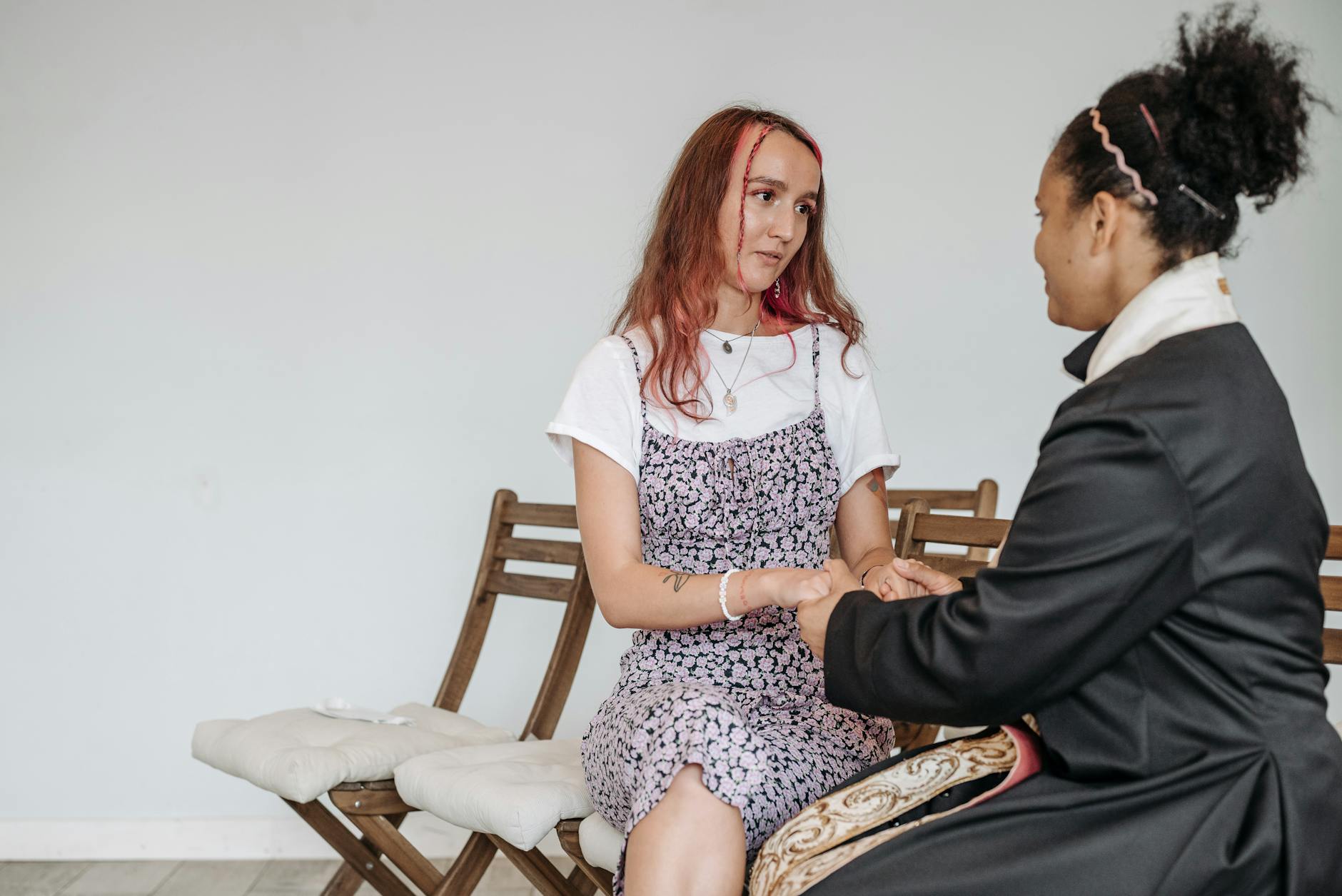
Comparing abortion, adoption, and parenting means evaluating three different pathways after an unplanned pregnancy, each with unique legal frameworks, physical experiences, and life consequences in the Thai context.
Abortion ends the pregnancy medically or surgically. Under Thailand's Criminal Code Amendment No. 28 (2021), it's legal up to 12 weeks on request through a licensed doctor, and between 12–20 weeks after mandatory counseling. The process takes hours to days, costs 3,000–15,000 THB, and allows you to continue your current life path without pregnancy or parenting responsibilities.
Adoption means carrying the pregnancy to term (approximately 40 weeks), giving birth, and legally transferring parental rights to adoptive parents through the Department of Children and Youth or licensed agencies. You experience pregnancy and childbirth but do not raise the child. Adoption in Thailand typically involves home studies, legal processes taking several months, and is most common through formal channels rather than informal arrangements.
Parenting means carrying to term, giving birth, and raising the child yourself. This is a lifelong commitment involving financial costs (estimated 3–5 million THB from birth to age 18), daily caregiving, and significant impacts on education, career, and relationships.
What to Expect: Step by Step
If you choose abortion:
- Confirm pregnancy and gestational age through ultrasound at a clinic or hospital
- If ≤12 weeks: Schedule appointment with licensed doctor; procedure same day or within days
- If 12–20 weeks: Attend mandatory counseling session (72-hour waiting period), then schedule procedure
- Medical abortion: Take mifepristone at clinic, misoprostol 24–48 hours later; bleeding lasts 1–2 weeks
- Surgical abortion: 5–15 minute procedure under sedation; recovery 1–2 weeks
- Follow-up appointment 1–2 weeks later to confirm completion
If you choose adoption:
- Contact Department of Children and Youth (1300) or licensed adoption agency early in pregnancy
- Receive prenatal care throughout 9 months (covered under Universal Coverage or Social Security)
- Create adoption plan: open (contact with adoptive family) or closed
- Give birth in hospital; legal relinquishment process begins after birth (not before)
- Sign consent forms; waiting period applies before adoption is finalized
- Post-placement support varies by agency
If you choose parenting:
- Register for prenatal care; attend regular checkups throughout pregnancy
- Prepare financially: budget for childcare, formula/food, medical care, education
- Arrange maternity leave (90 days paid under Thai law if employed)
- Give birth; begin 24/7 caregiving immediately
- Register child's birth at district office within 15 days
- Access support: government child allowance (400–600 THB/month for low-income families), family help, childcare options
Common Side Effects vs Warning Signs
Abortion side effects: Cramping, bleeding (like a heavy period), nausea, fatigue for 1–2 weeks. Most people return to normal activities within days. Warning signs requiring immediate medical attention: fever above 38°C, soaking 2+ pads per hour for 2+ hours, severe abdominal pain unrelieved by medication, foul-smelling discharge.
Pregnancy and birth side effects (adoption or parenting): Morning sickness, fatigue, weight gain (10–15 kg average), back pain, gestational diabetes or hypertension (monitored by doctors), labor pain, postpartum bleeding (4–6 weeks), breast engorgement, hormonal changes, potential cesarean section (30–40% rate in Thailand). Recovery from birth takes 6 weeks minimum. Warning signs: severe headache, vision changes, heavy bleeding after birth, signs of postpartum depression.
Emotional experiences vary widely: After abortion, most people report relief, though some experience temporary sadness. After adoption, many birth mothers describe grief, loss, and complex emotions alongside peace about their decision. After choosing parenting, people experience joy, exhaustion, stress, and identity shifts. All three paths can involve difficult feelings; support from counselors, friends, or family helps.
Self-Care After Abortion
If you choose abortion, physical recovery is relatively quick, but emotional and practical self-care remain important:
- Physical care: Rest for 1–2 days; avoid strenuous exercise for 1 week. Use pads (not tampons) until bleeding stops. Take pain relievers as prescribed. Expect light bleeding or spotting up to 2 weeks.
- Contraception: You can become pregnant immediately after abortion. Discuss birth control options with your doctor before leaving the clinic—IUDs can be inserted same day, pills started immediately.
- Emotional support: Reach out to trusted friends, family, or counselors if needed. Most people feel relief, but it's normal to have mixed emotions. Hotlines like Department of Health 1663 offer support.
- Follow-up: Attend your follow-up appointment to confirm the abortion is complete and discuss any concerns.
- Future planning: Reflect on what led to this decision. Consider what support or resources would help prevent future unplanned pregnancies if that's your goal.
Note: If you choose adoption or parenting, self-care looks very different—prenatal vitamins, regular medical checkups, preparing for childbirth, and either post-placement counseling or parenting support networks.
Frequently Asked Questions
How do I decide between abortion, adoption, and parenting in Thailand?
Start by clarifying your personal values, current life circumstances, and future goals. Ask yourself: Do I want to be pregnant for 9 months? Can I financially and emotionally support a child for 18+ years? Does my religion, family, or culture influence this decision? Consider practical factors: your age, relationship status, education or career plans, financial stability, and support network. Many people find it helpful to talk through options with a counselor, trusted friend, or healthcare provider. The Department of Health hotline (1663) offers free counselling. There is no universally "right" choice—only the choice that fits your life.
What are the costs of abortion vs adoption vs parenting in Thailand?
Abortion costs 3,000–15,000 THB depending on gestational age and method (medical vs surgical), paid once. Adoption has minimal direct costs to birth mothers—prenatal care is covered under Universal Coverage or Social Security, and adoptive parents typically cover legal fees. However, you still experience 9 months of pregnancy, birth, and potential lost income. Parenting costs are significant: approximately 300,000–500,000 THB in the first year (formula, diapers, medical care), and 3–5 million THB from birth to age 18 (education, food, housing, healthcare). Government child allowance (400–600 THB/month) helps low-income families but covers only a fraction of actual costs.
Is adoption common in Thailand, and how does it work legally?
Adoption is less common in Thailand than in some countries, partly due to cultural stigma around relinquishing children and preference for family care. Legal adoption must go through the Department of Children and Youth (DICY) or licensed agencies. The process involves counseling, consent forms (signed after birth, not before), home studies of adoptive parents, and court approval. Birth mothers cannot legally consent to adoption until after the child is born. Both domestic and international adoptions are possible. Contact DICY at 1300 for guidance. Informal adoptions within families are also practiced but lack legal protection.
Will abortion affect my ability to get pregnant in the future?
No. Safe, legal abortion performed by a licensed doctor in Thailand does not affect future fertility. Medical abortion (pills) and surgical abortion (aspiration or D&C) do not damage the uterus or reproductive system when done correctly. You can become pregnant again immediately after abortion, which is why contraception is discussed at your follow-up. Complications that could affect fertility (infection, incomplete abortion) are rare when abortion is performed in proper medical settings. In contrast, carrying a pregnancy to term (whether for adoption or parenting) has higher risks of complications that can affect future fertility, such as cesarean section scarring or postpartum infection.
Can I change my mind after choosing adoption, and what support is available?
Yes, you can change your mind before signing legal consent forms after the baby is born. In Thailand, birth mothers cannot legally consent to adoption until after birth, protecting your right to change your mind during pregnancy. Once legal consent is signed and the waiting period passes, reversing an adoption becomes very difficult and requires court action. If you're considering adoption, ask agencies about post-placement support, counseling, and whether open adoption (ongoing contact with the child) is possible. Many birth mothers find counseling essential both before and after placement to process complex emotions. If you feel uncertain, it's okay to wait before making a final decision.
References
- Criminal Code Amendment Act No. 28 B.E. 2564 (2021)
- Ministry of Public Health Notification on Counseling Services B.E. 2565 (2022)
- RSA Network, Department of Health — rsathai.org
- Department of Health Hotline 1663
⚠️ This article is for educational purposes only and does not constitute medical advice for individual cases. Always consult a licensed physician before making any decisions.