If you have Rh negative blood and are planning an abortion in Thailand, you'll need Rh immunoglobulin (anti-D) injection within 72 hours of the procedure to prevent complications in future pregnancies. Thai hospitals routinely screen blood type before abortion and provide this protection as standard care. This protocol is available at all licensed facilities performing abortion under the 2021 legal framework.
Having Rh negative blood doesn't prevent you from safely accessing abortion services in Thailand, but it does require an additional medical step that protects your health for the future. Understanding why this matters and what to expect can help you feel more prepared during an already emotional time.
What Is Rh Negative Blood Abortion Care Thailand
Rh negative blood abortion care refers to the specialized medical protocol used when someone with Rh negative blood type (A-, B-, AB-, or O-) undergoes abortion. In Thailand, approximately 0.3% of the population has Rh negative blood, making it relatively rare compared to Western countries.
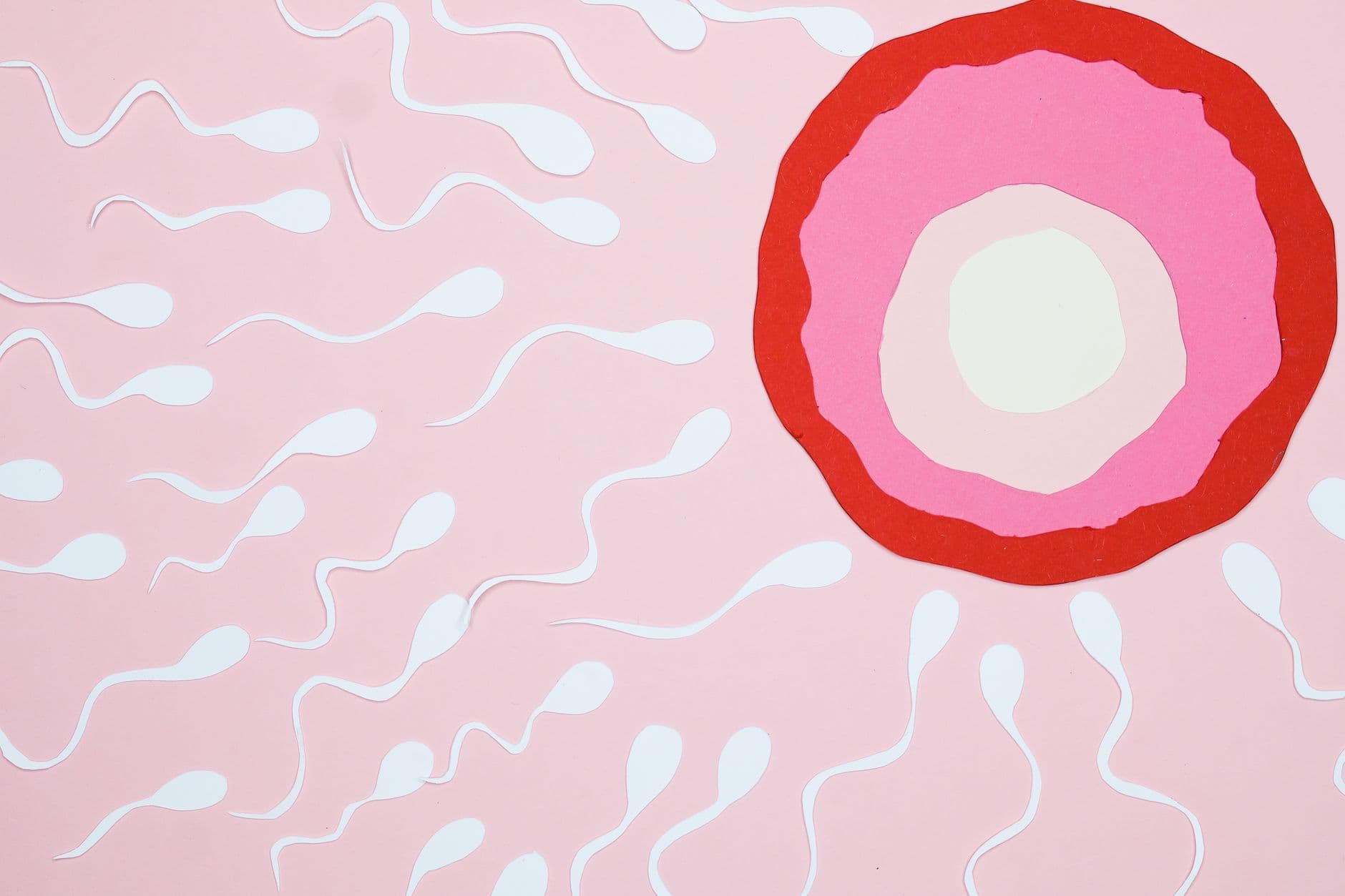
When you have Rh negative blood and become pregnant with an Rh positive fetus, your immune system may produce antibodies against the fetus's blood cells if fetal blood mixes with yours during pregnancy termination. While this doesn't affect your current health, these antibodies can attack red blood cells in future Rh positive pregnancies, causing serious complications called hemolytic disease of the newborn.
To prevent this, Thai medical facilities provide Rh immunoglobulin (also called anti-D or RhoGAM) injection. This medication prevents your body from developing those antibodies. Under Thai law, abortion is legal up to 12 weeks on request and between 12-20 weeks after counseling, with all procedures performed by licensed doctors who follow proper medical protocols including Rh screening.
Every hospital and clinic authorized to perform abortion in Thailand will check your blood type before the procedure. If you're Rh negative, the anti-D injection is given within 72 hours after abortion—ideally within 24 hours for maximum effectiveness. This protection is considered essential medical care and is included in abortion services at licensed facilities.
What to Expect: Step by Step
Your abortion care journey with Rh negative blood follows standard protocols with one additional protective step. Here's what happens at a licensed Thai medical facility:
Before the procedure:
- Medical consultation where you discuss your health history and confirm gestational age through ultrasound
- Blood type testing—this is routine for all patients, not just those suspected of being Rh negative
- If you're Rh negative, your doctor will explain the need for anti-D injection and when you'll receive it
- For pregnancies 12-20 weeks, you'll attend mandatory counseling as required by 2022 MoPH regulations
- Consent forms will specifically mention Rh immunoglobulin if applicable to you
During and after:
- The abortion procedure itself (medication or surgical) is performed exactly the same regardless of blood type
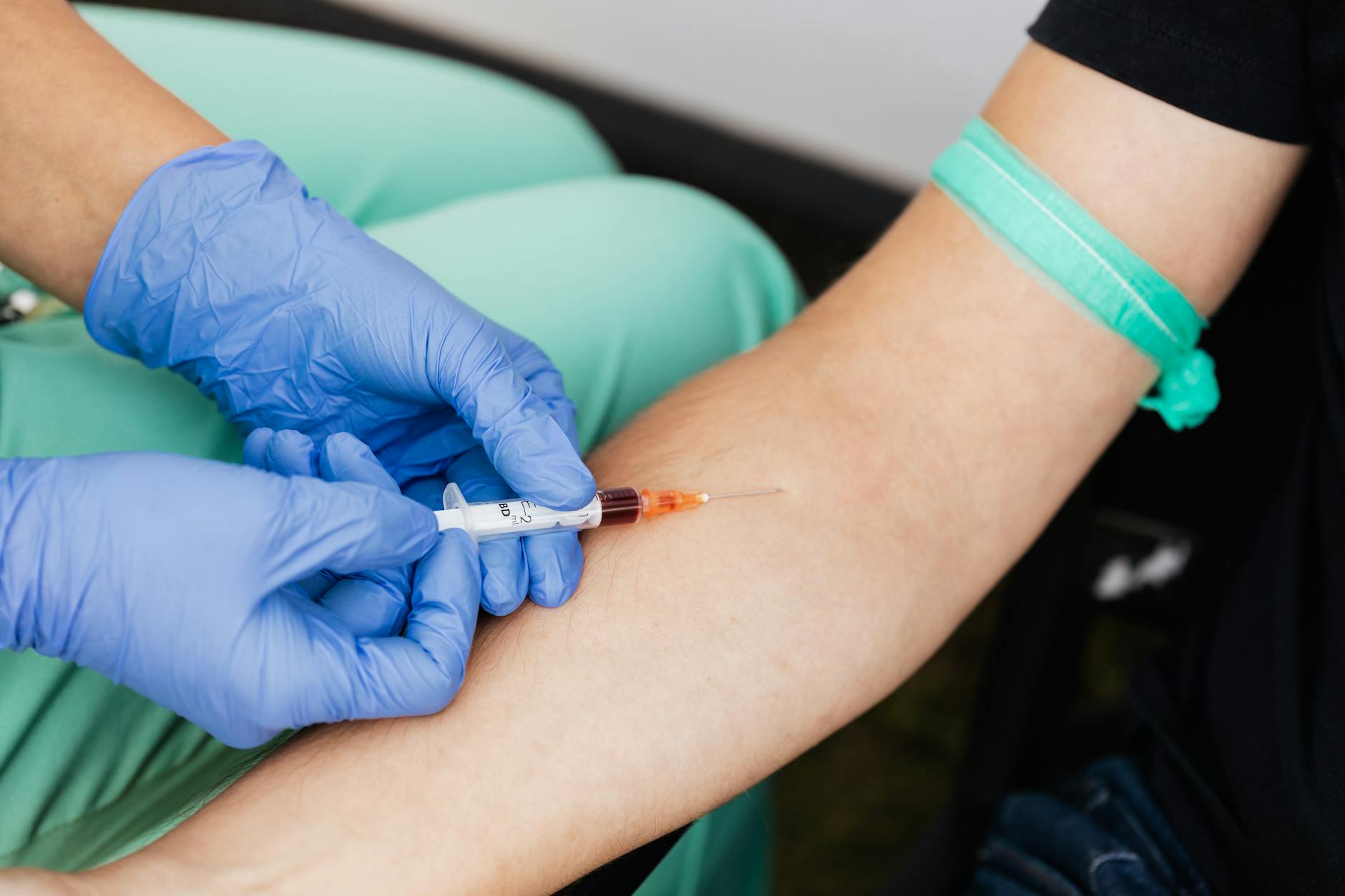
- Within 72 hours after the procedure—usually immediately or before discharge—you receive the anti-D injection in your arm or buttock
- The injection may cause mild soreness at the site but has minimal side effects
- You'll receive written documentation of the injection for your medical records
- Follow-up appointment scheduled 1-2 weeks later to confirm complete abortion and check your recovery
The entire process typically costs between 3,000-15,000 THB depending on gestational age and method chosen. The anti-D injection is usually included in this cost at public hospitals and RSA network facilities, though some private clinics may itemize it separately.
Common Side Effects vs Warning Signs
After abortion with Rh immunoglobulin protection, most people experience normal recovery symptoms. However, knowing the difference between expected discomfort and signs requiring medical attention is important for your safety.
Normal side effects (common and expected):
- Cramping similar to menstrual pain for several days
- Bleeding that gradually decreases over 1-2 weeks
- Mild injection site soreness, redness, or warmth where anti-D was given
- Fatigue and emotional fluctuation
- Breast tenderness as hormone levels adjust
Warning signs requiring immediate medical attention:
- Soaking through two or more thick pads per hour for two consecutive hours
- Severe abdominal pain not relieved by prescribed pain medication
- Fever above 38°C (100.4°F) that persists beyond 24 hours
- Foul-smelling vaginal discharge
- Dizziness, fainting, or signs of severe blood loss (pale skin, rapid heartbeat)
The anti-D injection itself rarely causes problems. Less than 1% of people experience allergic reactions, which would appear within minutes to hours of injection while you're still at the medical facility. If you develop unusual symptoms after leaving, contact your provider or call the Department of Health hotline at 1663 for guidance in Thai and English.
Self-Care After Abortion
Recovery after abortion with Rh negative blood is identical to recovery for other blood types—the anti-D injection doesn't change your healing process or self-care needs. Your body needs time to return to its pre-pregnancy state, which typically takes 2-4 weeks.
Physical care:
- Rest for at least 24 hours; avoid heavy lifting or strenuous exercise for one week
- Use pads rather than tampons for bleeding to reduce infection risk
- Take prescribed antibiotics (if given) and pain medication as directed
- Avoid sexual intercourse, swimming pools, and baths for two weeks—showers are fine
- Eat nutritious meals and stay hydrated to support healing
- The injection site may be tender for 2-3 days; a cool compress can help
Emotional and practical care:
- Allow yourself to feel whatever emotions arise without judgment
- Reach out to trusted friends, family, or counseling services if needed
- Your menstrual cycle typically returns within 4-8 weeks
- Discuss contraception with your doctor—you can start most methods immediately
- Keep your anti-D injection record in a safe place for future medical care
The anti-D protection lasts only for the current pregnancy exposure. If you become pregnant again in the future and choose abortion or experience miscarriage, you'll need another injection if the fetus is Rh positive. Always inform healthcare providers of your Rh negative status and previous anti-D treatment in future pregnancies.
Frequently Asked Questions
Will having Rh negative blood make abortion more expensive in Thailand?
At public hospitals and RSA network facilities, the anti-D injection is typically included in the standard abortion care package of 3,000-8,000 THB. Some private clinics may add 500-1,500 THB for the medication. Always ask for a complete cost breakdown during your consultation. The injection is considered essential medical care under Thai protocols, not an optional add-on.
What if I don't know my blood type before the abortion appointment?
Don't worry—blood type testing is a routine part of pre-abortion screening at all licensed Thai facilities. You don't need to know your type in advance. The test takes only minutes, and results are available before your procedure begins. If you're Rh negative, the medical team will adjust your care plan accordingly before proceeding.
Can I refuse the anti-D injection if I don't want future pregnancies?
While you have the right to refuse any medical treatment, doctors strongly recommend anti-D injection even if you don't plan future pregnancies. Circumstances change, and unplanned pregnancy can occur. The injection has minimal risks and provides lifetime protection for this pregnancy exposure. Your doctor will discuss this decision thoroughly with you, but the recommendation follows international medical standards.
Is Rh negative blood common in Thai people, and will hospitals have the injection available?
Rh negative blood is quite rare in Thailand (about 0.3% of the population compared to 15% in European populations), but all hospitals authorized to perform abortion keep anti-D immunoglobulin in stock. It's part of required medical supplies for obstetric and abortion services. If you're concerned, you can confirm availability when booking your appointment, especially at smaller facilities.
How long does the anti-D protection last after abortion?
The anti-D injection protects you specifically from antibody formation related to this pregnancy only. It doesn't provide ongoing protection for future pregnancies. Each time you have an abortion, miscarriage, or give birth with a potential Rh positive fetus, you'll need a new injection within 72 hours. This is why keeping medical records of each injection is important for your future healthcare.
What happens if I'm past 72 hours and didn't get the injection?
Contact your healthcare provider immediately. While anti-D is most effective within 72 hours, it may still provide some protection up to 28 days after abortion. Your doctor can perform a blood test to check if you've already started producing antibodies. Even if you have, this information is crucial for managing any future pregnancies safely. Don't assume it's too late—always seek medical guidance.
Do I need anti-D injection for medical abortion (pills) as well as surgical abortion?
Yes, absolutely. Whether you choose medication abortion (mifepristone and misoprostol) or surgical abortion, you need anti-D protection if you're Rh negative. The risk of fetal-maternal blood mixing exists with both methods. For medical abortion, you'll typically receive the injection when you return for your follow-up appointment to confirm complete abortion, which should be within 72 hours of taking the pills.
References
- Criminal Code Amendment Act No. 28 B.E. 2564 (2021)
- Ministry of Public Health Notification on Counseling Services B.E. 2565 (2022)
- RSA Network, Department of Health — rsathai.org
- Department of Health Hotline 1663
- Royal College of Obstetricians and Gynaecologists of Thailand, Guidelines on Rh Immunoprophylaxis
- World Health Organization, Clinical Practice Handbook for Safe Abortion (2022)
⚠️ This article is for educational purposes only and does not constitute medical advice for individual cases. Always consult a licensed physician before making any decisions.