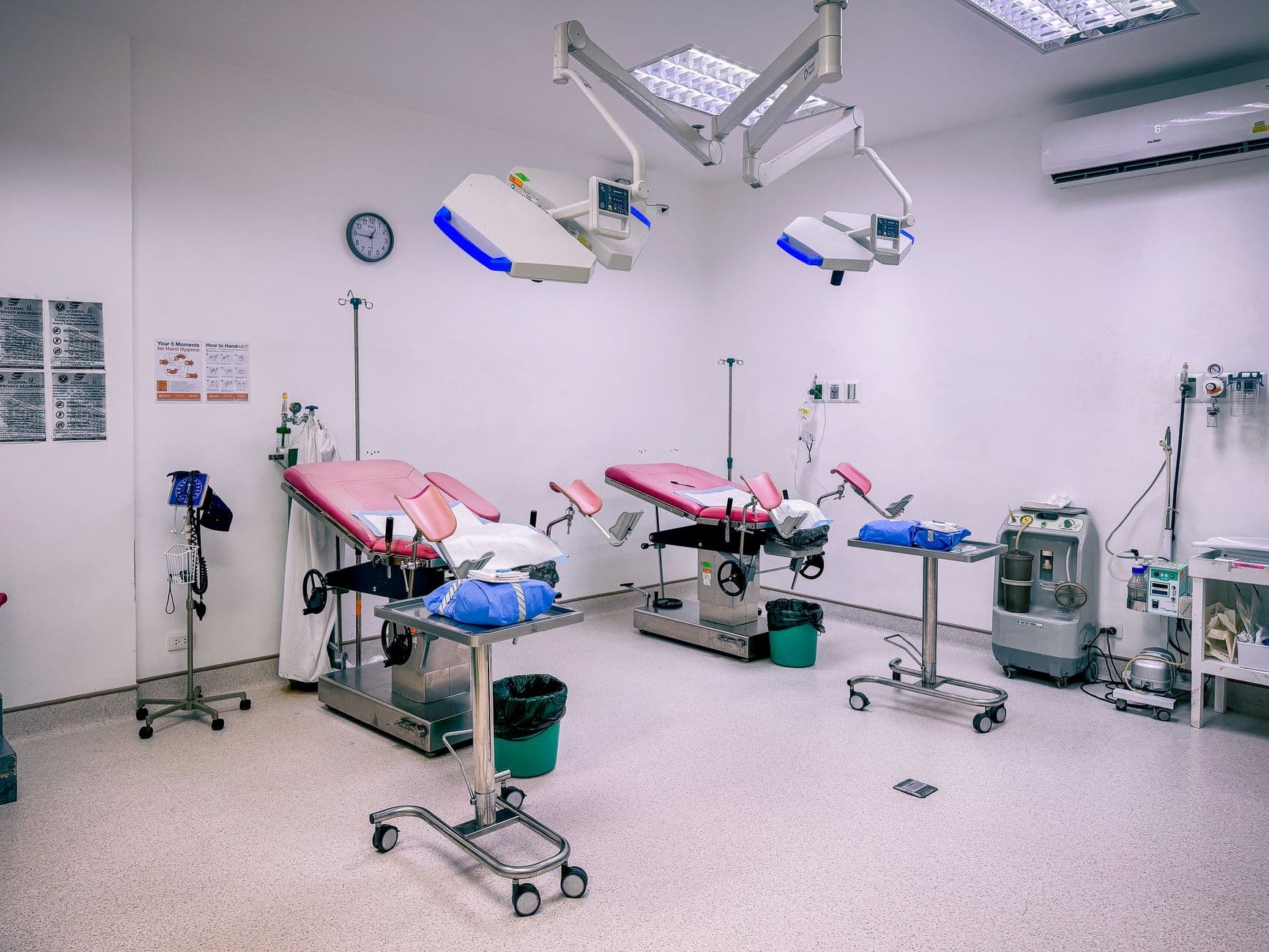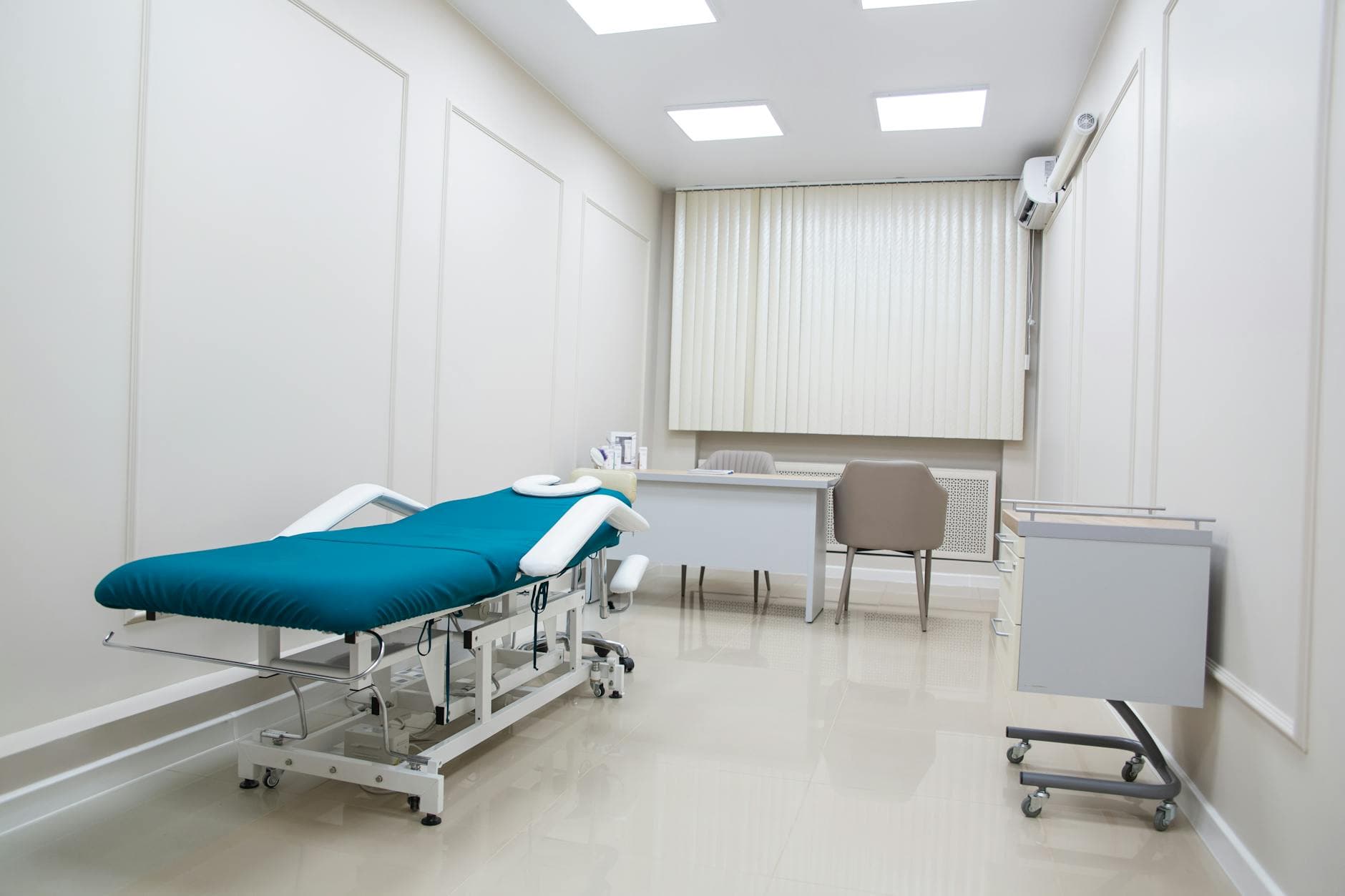
Abortion is legal in Chiang Mai up to 20 weeks of pregnancy. Services up to 12 weeks are available on request, while procedures between 12-20 weeks require mandatory counseling. Safe, professional care is provided through government hospitals and registered clinics including the SWAT Clinic operated by the Planned Parenthood Association of Thailand.
What Is Chiang Mai Abortion Services Guide
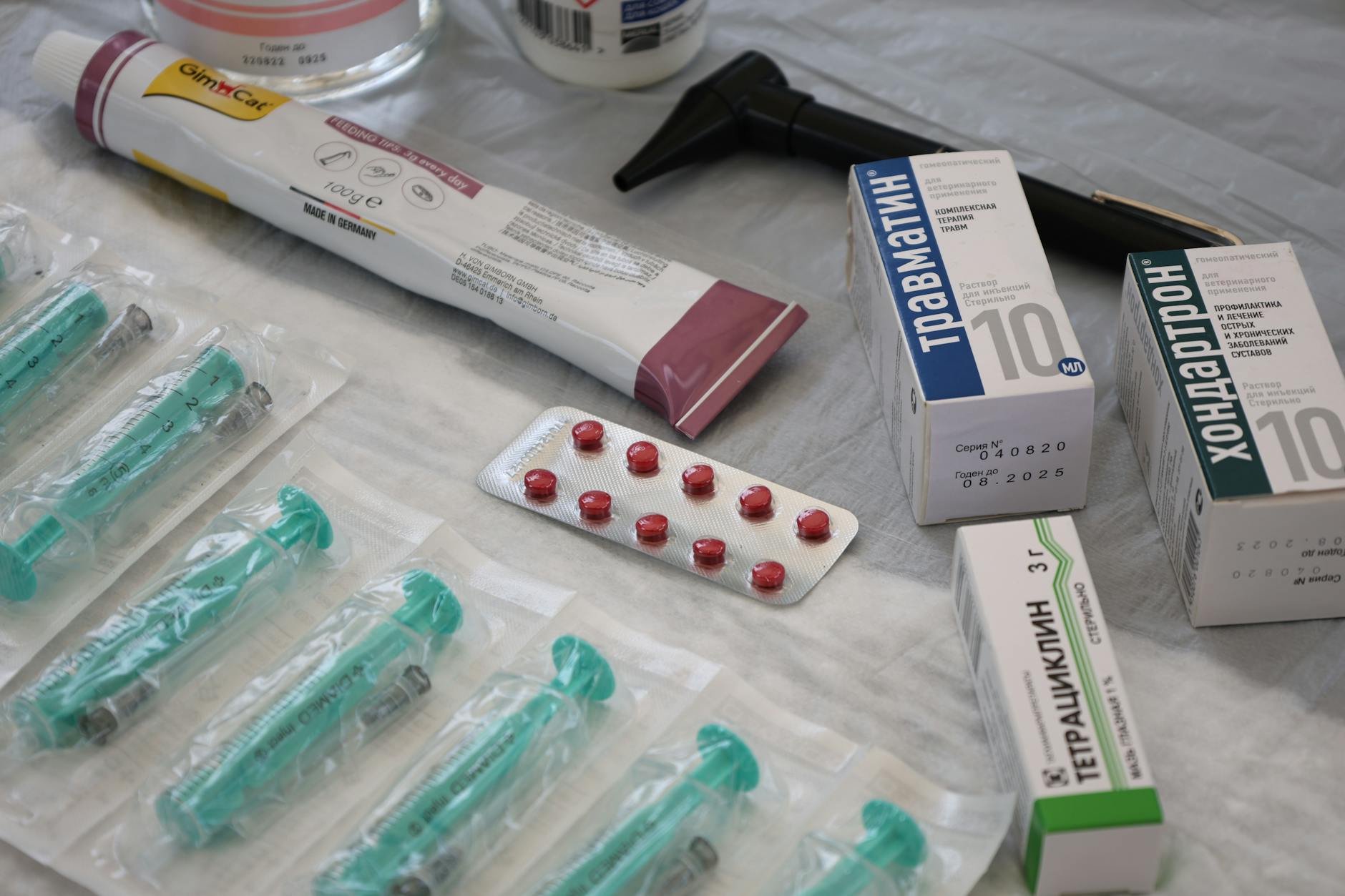
Chiang Mai, as Thailand's largest northern city, offers comprehensive abortion services through multiple authorized facilities. Following the 2021 legal amendments, abortion became accessible throughout the province under clear medical supervision. The city's healthcare infrastructure includes both public hospitals and specialized clinics that provide medication abortion and surgical procedures.
The Planned Parenthood Association of Thailand operates a dedicated SWAT (Safe Women's Abortion Team) Clinic in Chiang Mai, which focuses on abortion care. Additionally, major government hospitals such as Maharaj Nakorn Chiang Mai Hospital provide services through their obstetrics and gynecology departments.
Services are available to all individuals regardless of nationality, age, or marital status. For pregnancies up to 12 weeks, you can access services on request without providing a reason. Between 12-20 weeks, Thai law requires mandatory counseling before the procedure, which helps ensure informed decision-making and access to psychological support.
Cost ranges from 3,000 to 15,000 THB depending on the method chosen and gestational age. Medication abortion (using mifepristone and misoprostol) is generally less expensive than surgical procedures. To access services, contact the Department of Health hotline at 1663 or visit RSA Online to find authorized providers and schedule an appointment.
What to Expect: Step by Step
The process begins with contacting a registered facility. You can call the national hotline 1663, which operates in Thai and can connect you with Chiang Mai providers, or directly contact the SWAT Clinic or a government hospital. When you call, staff will ask about your last menstrual period to estimate gestational age and schedule your initial consultation.
At your first appointment, a doctor will perform an ultrasound to confirm pregnancy dating and rule out ectopic pregnancy. You'll discuss your medical history, any medications you're taking, and which abortion method is appropriate for your situation. For pregnancies under 10 weeks, medication abortion is typically offered. For later gestations, surgical options are discussed.
If you're between 12-20 weeks pregnant, Thai law requires you to receive counseling about the procedure, alternatives, and support services before proceeding. This typically takes one session and may extend your timeline by a few days. The counseling is designed to be supportive, not dissuasive.
For medication abortion, you'll take mifepristone at the clinic, then misoprostol 24-48 hours later (either at the clinic or at home, depending on the provider's protocol). Surgical procedures are performed at the facility under local or general anesthesia. Both methods require a follow-up appointment 1-2 weeks later to confirm the pregnancy has ended completely.
Common Side Effects vs Warning Signs
Normal side effects after abortion include cramping similar to menstrual cramps, bleeding that may be heavier than a period for the first few days, nausea, fatigue, and breast tenderness. These symptoms typically decrease within a week. Bleeding may continue lightly for 2-4 weeks as your uterus returns to its normal size.
With medication abortion specifically, you should expect strong cramping and heavy bleeding with clots as the pregnancy tissue passes, usually 2-6 hours after taking misoprostol. Some people experience temporary chills, fever up to 38°C, diarrhea, or vomiting. These are normal responses to the medication and typically resolve within 24 hours.
However, certain symptoms require immediate medical attention. Contact your provider or go to an emergency room if you experience:
- Soaking through two or more thick pads per hour for two consecutive hours
- Fever above 38.5°C or fever lasting more than 24 hours
- Severe abdominal pain not relieved by pain medication
- Foul-smelling vaginal discharge, which may indicate infection
- Signs of continued pregnancy after two weeks (nausea, breast tenderness, no bleeding)
These warning signs are uncommon but treatable when addressed promptly. Most abortion complications can be successfully managed if you seek care quickly. Don't hesitate to contact your provider with concerns—they are there to support your recovery.
Self-Care After Abortion
Physical recovery requires rest, especially in the first 24-48 hours. You may return to normal activities when you feel ready, typically within a few days, but avoid strenuous exercise or heavy lifting for about a week. Stay hydrated and eat nutritious foods to support your body's healing process.
Manage cramping with ibuprofen (400-600mg every 6 hours as needed) or the pain medication your provider prescribed. A heating pad on your lower abdomen can provide additional comfort. Bleeding is normal, but use pads rather than tampons for at least two weeks to reduce infection risk.
Avoid inserting anything into your vagina—including tampons, menstrual cups, or engaging in penetrative sex—for at least two weeks or until bleeding has stopped. This helps prevent infection while your cervix closes and your uterus heals. You can shower immediately, but avoid baths, swimming pools, and hot tubs during this recovery period.
Emotionally, reactions vary widely. Some people feel primarily relief, others experience sadness or mixed emotions. All responses are normal and valid. If you're struggling, the hotline 1663 can connect you with counseling services. Your fertility returns quickly after abortion—often within two weeks—so discuss contraception with your provider before resuming sexual activity if you wish to prevent pregnancy.
Frequently Asked Questions
Can foreigners access abortion services in Chiang Mai?
Yes, abortion services in Chiang Mai are available to all individuals regardless of nationality or visa status. You'll need to show identification (passport for foreigners) and pay out-of-pocket as most travel insurance doesn't cover elective procedures. Costs range from 3,000-15,000 THB. Some facilities have English-speaking staff, particularly the SWAT Clinic. If you need translation assistance, bring a trusted friend or contact the facility in advance to arrange language support.
How quickly can I get an appointment in Chiang Mai?
Appointment availability varies by facility and gestational age. For early pregnancies (under 12 weeks), you can often be seen within 3-7 days of initial contact. If you're between 12-20 weeks, the mandatory counseling requirement may add a few additional days to the timeline. During busy periods or around holidays, wait times may extend slightly. Call 1663 or contact facilities directly as soon as you know you need services—earlier contact generally means faster appointments.
Who can see my record, and can I choose how I am contacted?
Providers are not permitted to share your information without your consent, whatever your age or marital status. If you are concerned about privacy, you can ask to be contacted only at certain times or through a particular channel, and you can ask what is written in your record when you register.
Who can consent, and at what age?
People aged 15 and over can consent to abortion care themselves. Under 15, a parent or guardian must give consent, under the Ministerial Regulation issued under the Prevention and Solution of the Adolescent Pregnancy Problem Act B.E. 2559. If you are under 15, this means a parent or guardian will need to be involved. Healthcare providers are not permitted to share your medical information without your consent. Some clinics ask a parent to sign even at 15 or over, which is the clinic's own practice rather than a legal requirement, and some encourage family involvement where it is safe. Calling the 1663 hotline can connect you with youth-friendly services.
Are there English-speaking providers in Chiang Mai?
Many healthcare providers in Chiang Mai have English-speaking staff, particularly at the SWAT Clinic and major teaching hospitals like Maharaj Nakorn Chiang Mai Hospital. When booking your appointment, inform the facility that you need English-language services. If language barriers exist, facilities can often arrange translators. Some expat-focused health centers and international clinics may also provide referrals to authorized abortion providers. Accurate communication is essential for safe care, so don't hesitate to request language assistance.
What happens if I'm more than 20 weeks pregnant?
After 20 weeks, abortion is only legal in specific circumstances: when pregnancy poses serious risk to your physical or mental health, when the fetus has severe abnormalities incompatible with life, or in cases of sexual assault. You'll need comprehensive medical evaluation and documentation from specialists. These cases are evaluated individually by medical committees at major hospitals. If you're past 20 weeks and believe you qualify under these criteria, contact Maharaj Nakorn Chiang Mai Hospital's obstetrics department directly to discuss your situation with specialists.
Can I get contraception during my abortion appointment?
Yes, most abortion providers in Chiang Mai offer contraceptive counseling and services during your visits. You can start most contraceptive methods immediately after abortion, including pills, injections, implants, and IUDs. In fact, an IUD can often be inserted during a surgical abortion procedure or immediately after medication abortion is complete. Discussing contraception is a standard part of post-abortion care. Your provider will help you choose a method that fits your health needs and lifestyle to prevent future unintended pregnancies.
References
- Criminal Code Amendment Act No. 28 B.E. 2564 (2021)
- Ministry of Public Health Notification on Counseling Services B.E. 2565 (2022)
- RSA Network, Department of Health — rsathai.org
- Department of Health Hotline 1663
⚠️ This article is for educational purposes only and does not constitute medical advice for individual cases. Always consult a licensed physician before making any decisions.